
Ford is ripping Google out of the dashboard. Starting in 2027, the automaker will bake Apple Maps directly into its next-generation electric vehicles. Drivers won’t even need an iPhone in their pocket to use the system.
The automaker announced the software switch on Wednesday. It marks a sharp reversal of their high-profile software strategy that promised to bring Android Automotive to millions of Ford vehicles. Now, Cupertino is taking the wheel.
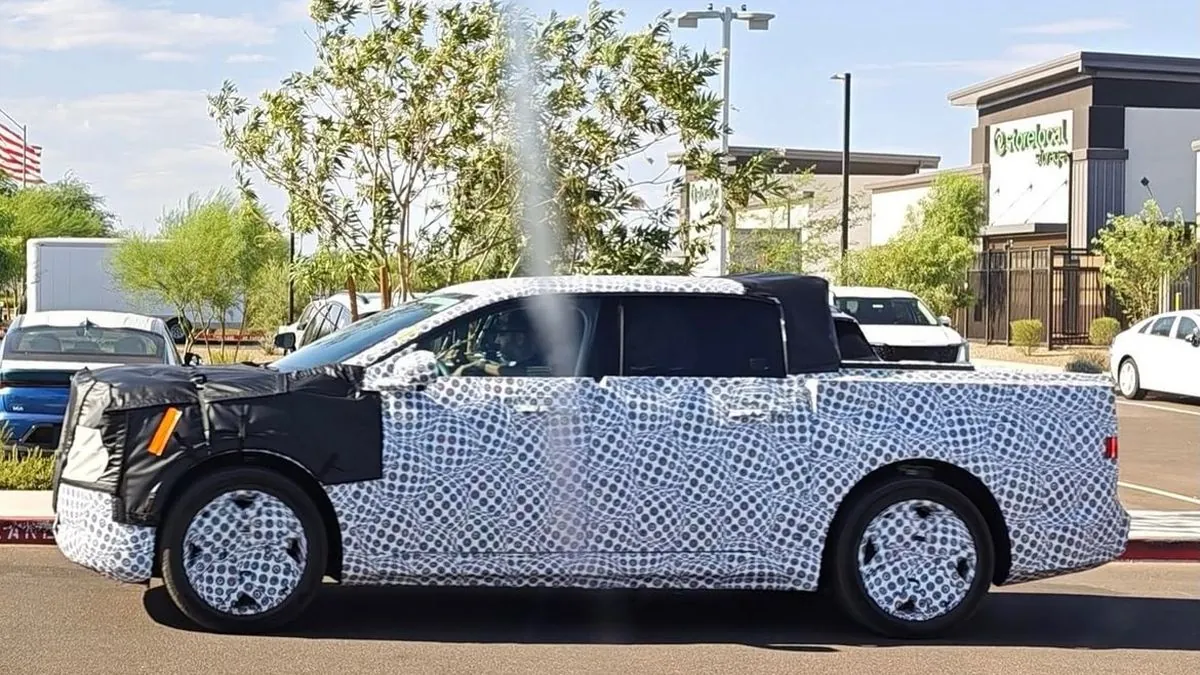
The new Apple-powered interface debuts on Ford’s Universal Electric Vehicle (UEV) architecture. That platform hits the streets in 2027 alongside a highly anticipated $30,000 mid-size electric pickup.
What exactly does native integration mean? It means the car itself is running the maps. You get real-time traffic updates, automated EV route planning, and battery preconditioning without tethering a phone or launching a wireless CarPlay session. Traditional CarPlay will still exist as a secondary option for drivers who prefer the classic projected interface.
This is a massive strategy pivot. Ford previously signed a heavyweight 2021 partnership with Google, cementing itself as one of the loudest early champions of Android Automotive. Today, they are walking away from that default arrangement.
Ford is now the first major automaker to utilize the new MapKit for Automotive SDK. This toolset allows car designers to pull Apple’s underlying mapping engine and stretch it across their own custom digital gauge clusters and center screens.
The partnership goes beyond simple turn-by-turn directions. Ford’s Latitude AI team is tapping into Apple’s detailed road-level data to supercharge the next version of BlueCruise. Their engineering goal is a completely hands-free on-ramp-to-off-ramp driving experience.
Detroit Splits the Tech Stack
Ford’s decision fractures the unified strategy of legacy American automakers. General Motors recently abandoned Apple CarPlay entirely to force buyers into a pure Google software environment. Meanwhile, EV pure-plays like Tesla and Rivian continue to refuse partnerships with either tech giant, forcing owners to use proprietary in-house navigation.
Ford is choosing a remarkably different lane. By embedding Apple Maps natively while still leaving the door open for traditional CarPlay projection, Ford is catering directly to the massive iOS user base rather than fighting it for subscription revenue.