
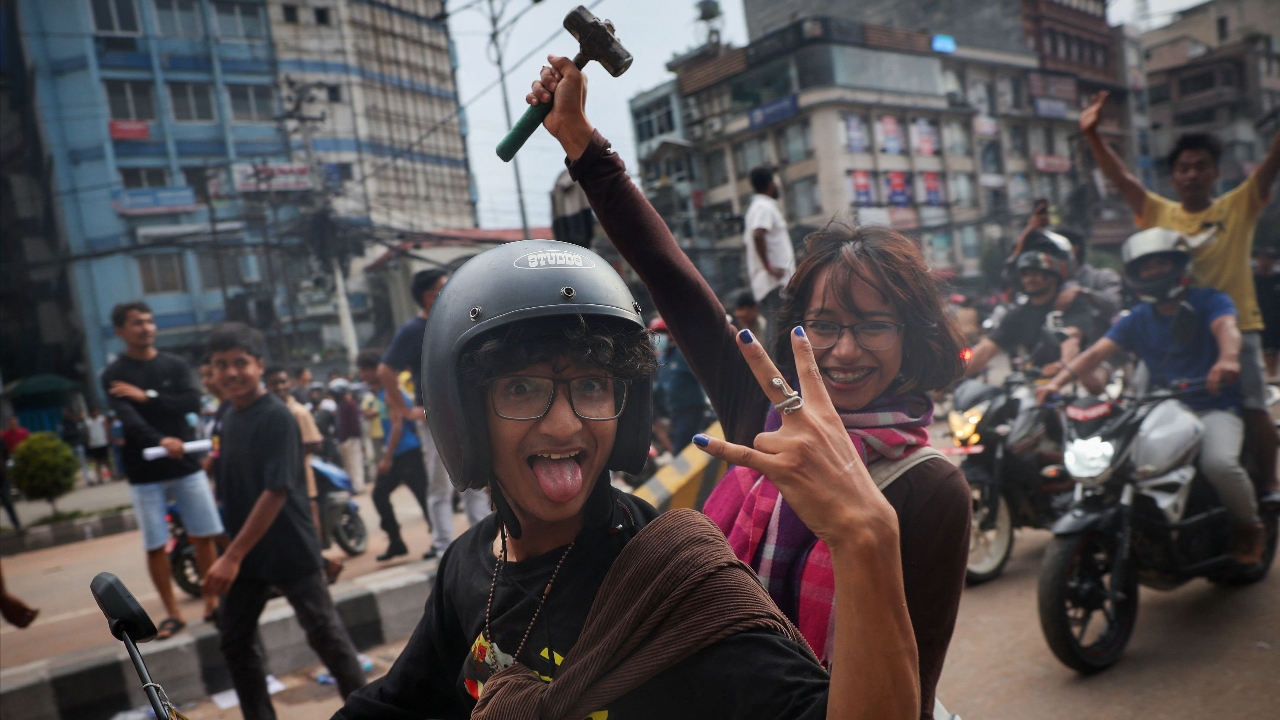
The streets of Kathmandu have erupted in anger, as a government crackdown on social media ignited widespread protests. Young people, particularly those from Generation Z, are leading the charge. Their message is clear: “Stop banning social media, stop cheating the country.” This outcry has pushed the hashtag #NepoKids to the top of online trends, shining a harsh light on deep-seated inequality.
By September 10, 2025, the youth protests showed no signs of slowing down. The #NepoKids trend reflects a sharp contrast. On one side are ordinary young people. They face tough realities like poverty and high unemployment rates. On the other side are the children of political figures. Their lavish lives are often displayed on social media. These “Nepo Kids” seem to live without a worry in the world.
The immediate spark for the massive protests in the capital was a government order. Authorities blocked access to 26 social media platforms. These platforms had not registered under new rules. The government claimed some users faked identities. They also said people spread hate speech, false news, and committed online crimes. Services would only resume once companies followed the rules.
Since Friday, September 5, people could not use popular platforms. This included Facebook, Instagram, WhatsApp, YouTube, Snapchat, Pinterest, and X (formerly Twitter). Many users felt angry and confused. Meanwhile, some platforms like TikTok, Viber, and WeTalk were still working. These companies had registered with the government.
Beyond the pushback against the social media ban, the term “Nepo Kids” has become a powerful attack. “Nepo Kids” or “Nepobabies” is short for “Nepotism.” It refers to young people who get special advantages because of their family ties or connections, rather than their own abilities.
This term first gained popularity for children of celebrities or politicians. They often received special opportunities without fair competition. In this nation, however, it’s being used to criticize politicians’ children. These young people travel internationally, buying expensive designer items. They do this while ordinary citizens face hardship. The “Nepo Kids” have become a symbol of the gap between the rich and poor. They represent the anger toward political leaders accused of getting rich from public money.
The demonstrations have turned deadly, with at least 22 people killed. Protesters hold signs with slogans like “Gen Z Protests” and “Shut down corruption and not social media.” Another popular sign reads, “Youths against corruption.”
Videos widely shared on TikTok, which is now working again, highlight the issue. They show the luxurious lives of these “Nepo Kids.” Then, these clips compare them to the struggles of common youth. Many young people leave home to work in other parts of the country or even abroad. They send money back to support their families. These comparisons fuel criticism. People believe the success of politicians’ children comes from special treatment, not personal merit.
A 24-year-old student, who joined the protests, told foreign media that their reasons go beyond the social media ban. She explained that they are protesting the deep-rooted corruption in the nation. She also pointed to the government’s authoritarian behavior. Everyone wants to see change, she said. She believes this fight must continue until their generation brings an end to these issues.