
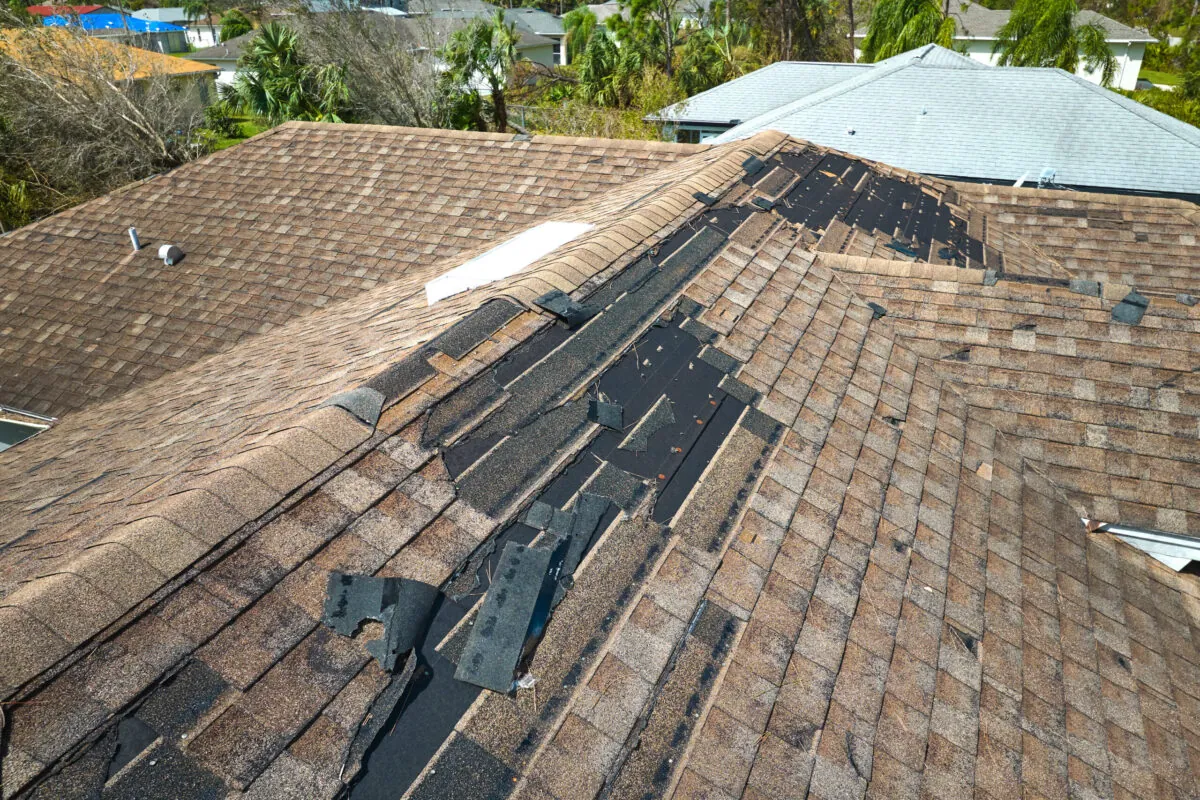
As the 2026 hail and hurricane season accelerates, a quiet federal policy shift is leaving American homeowners exposed to out-of-pocket roof repair bills exceeding $30,000. Following severe weather events across the country, thousands of residents are discovering their insurance policies now only cover the depreciated value of their roofs rather than the full replacement cost.
This financial shock arrives in the middle of a tight 2026 housing affordability crunch. In March, the Federal Housing Finance Agency (FHFA) altered its mortgage guidelines to allow loans backed by Fannie Mae and Freddie Mac to accept “Actual Cash Value” (ACV) insurance policies. Previously, the agencies strictly required “Replacement Cost Value” (RCV) coverage to secure financing.
The regulatory adjustment was initially pitched as a relief measure for buyers struggling to enter the market. According to a Consumer Affairs report, accepting ACV coverage allows insurers to offer premiums that are 10% to 20% cheaper upfront. The Mortgage Bankers Association and the Community Associations Institute heavily lobbied for the change, arguing that rigid RCV requirements made financing impossible for many condo buildings and rural properties.
The current administration’s approach reverses previous housing initiatives. In early 2024, regulators attempted to formally prohibit ACV policies on federally backed mortgages to shield consumers from sudden out-of-pocket disaster expenses. That mandate was paused as soaring premiums forced major insurers to pull out of high-risk states entirely. The subsequent decision by FHFA Director Bill Pulte dismantled the RCV requirement for both single-family homes and condo associations.
The scale of the exposure is vast. Fannie Mae and Freddie Mac collectively back more than $8.5 trillion in the U.S. mortgage market. Housing advocates warn the ACV allowance functions as a short-term fix. Many consumers remain unaware their agents downgraded their coverage to secure a mortgage until a storm hits. Homeowners are then forced to choose between draining their savings to cover a $5,000 to $30,000 shortfall or filing a claim that typically triggers a 7% to 10% premium hike upon renewal.
The Financial Cascade of the ACV Shift
- Upfront Premium Reduction: Homeowners secure a mortgage by accepting an ACV policy, lowering their initial insurance costs by up to 20%.
- Depreciation Assessment: When a roof sustains hail or wind damage, adjusters calculate the payout based on the age and condition of the materials rather than the current market cost of replacement.
- The Out-of-Pocket Void: The homeowner must pay the difference between the depreciated payout and current contractor rates, often wiping out the initial premium savings.
How the FHFA’s Depreciation Rule Alters Mortgage Risk Profiles
The widespread adoption of ACV policies shifts the financial burden of climate-related property damage directly from corporate insurers onto individual households. By prioritizing immediate mortgage qualification over long-term asset protection, the FHFA has effectively transformed property depreciation into a homeowner liability.
This regulatory framework relieves pressure on insurers operating in volatile markets, preventing complete regional withdrawals. It simultaneously increases the risk of mortgage defaults if property owners abandon homes they cannot afford to repair following severe weather events.