
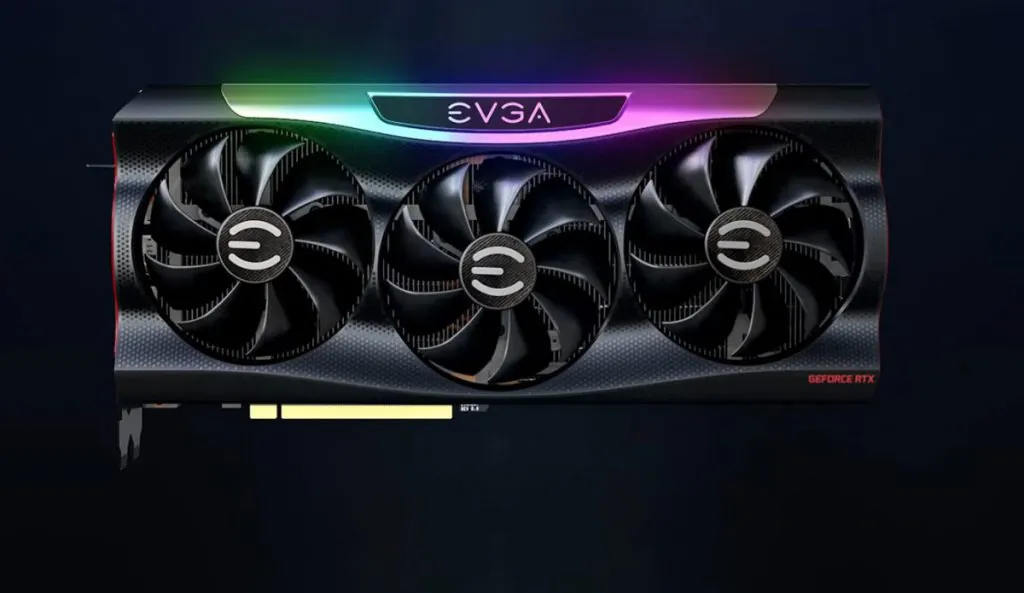
The PC hardware industry is still feeling the absence of EVGA. It has been nearly four years since the North American manufacturer officially exited the graphics card market, ending a two-decade run as NVIDIA’s premier add-in board partner. The decision removed a major player from the ecosystem, and hardware enthusiasts are still waiting for another company to replicate the exact end-to-end quality EVGA provided.
EVGA built immense brand loyalty through consumer-friendly initiatives that set the standard for the PC building community. Their famous Step-Up program allowed buyers to trade in their graphics cards within a 90-day window toward a higher-tier model while only paying the price difference. They also secured buyer trust with long-term support features, including up to 10 years of coverage on eligible cards and warranties that transferred to secondary buyers, as highlighted in a retrospective by XDA Developers.
The Breaking Point With NVIDIA
The total termination of the EVGA and NVIDIA partnership arrived suddenly in September 2022. EVGA CEO Andrew Han cited disrespectful treatment as the primary driver behind the company’s decision to walk away from graphics cards entirely. The grievances centered heavily on NVIDIA withholding crucial pricing information from its board partners. Because NVIDIA kept final MSRPs secret until public announcements, EVGA struggled to properly price and market its own custom hardware, according to a report by How-To Geek.
Walking away was an expensive choice. At the time of the split, NVIDIA graphics cards accounted for 80% of EVGA’s gross revenue. The company had already built working engineering prototypes for the RTX 4000 series, including the flagship RTX 4090. EVGA scrapped production entirely.
They committed to selling through their remaining RTX 3000 series inventory. The company intentionally withheld enough stock to honor long-term Return Merchandise Authorizations (RMAs) and existing warranties for their customers.
Refusing Rival Partnerships
Following the public fallout, EVGA explicitly refused to entertain new manufacturing partnerships with rival GPU makers AMD or Intel. The company chose instead to pivot its business entirely toward its other component lines. EVGA focused its engineering efforts on its highly rated power supplies, motherboards, and cooling solutions.
Why Other Hardware Makers Haven’t Replicated the EVGA Formula
The void left by EVGA remains open because the financial realities of graphics card manufacturing have changed. Profit margins for board partners are notoriously thin. Competitors like ASUS, MSI, and Gigabyte produce excellent hardware, but they have not adopted the high-risk, consumer-first policies that defined EVGA.
Offering a 90-day trade-up window requires holding extensive inventory and managing a complex logistics network for refurbished parts. Providing a transferable 10-year warranty requires a dedicated customer service infrastructure that most hardware brands are unwilling to fund. Until another company decides to absorb those customer service costs, the specific experience EVGA offered in 2022 will remain firmly in the past.