
A severe thunderstorm system slammed through the Kansas City metropolitan area on Monday evening, May 18, 2026, bringing destructive straight-line winds, torrential downpours, intense lightning, and numerous localized power failures. The National Weather Service elevated the region to an Enhanced Risk ahead of the squall line cutting through the metro area. Emergency crews immediately deployed to manage the unfolding grid damage across multiple counties.
Storm trackers and residents filmed visible power flashes near the Grandview Triangle in Kansas City as the transit corridor took the brunt of the heavy winds. The bursts signified immediate transformer explosions and structural damage caused by falling tree limbs tearing down power lines. According to utility tracking data from Evergy and PowerOutage.us, thousands of homes and businesses were immediately plunged into darkness during the storm’s peak transit.
While the Kansas City metro faced severe damaging winds and flash flood threats, the wider regional system spawned violent tornadoes nearby. A Potentially Destructive Tornado touched down at 5:24 PM in Marshall County, Kansas, severely damaging Blue Rapids, according to a detailed report by Hindustan Times covering the immediate regional fallout. Another confirmed tornado struck the ground near Maryville, Missouri, putting several adjacent counties under active tornado warnings through late Monday night.
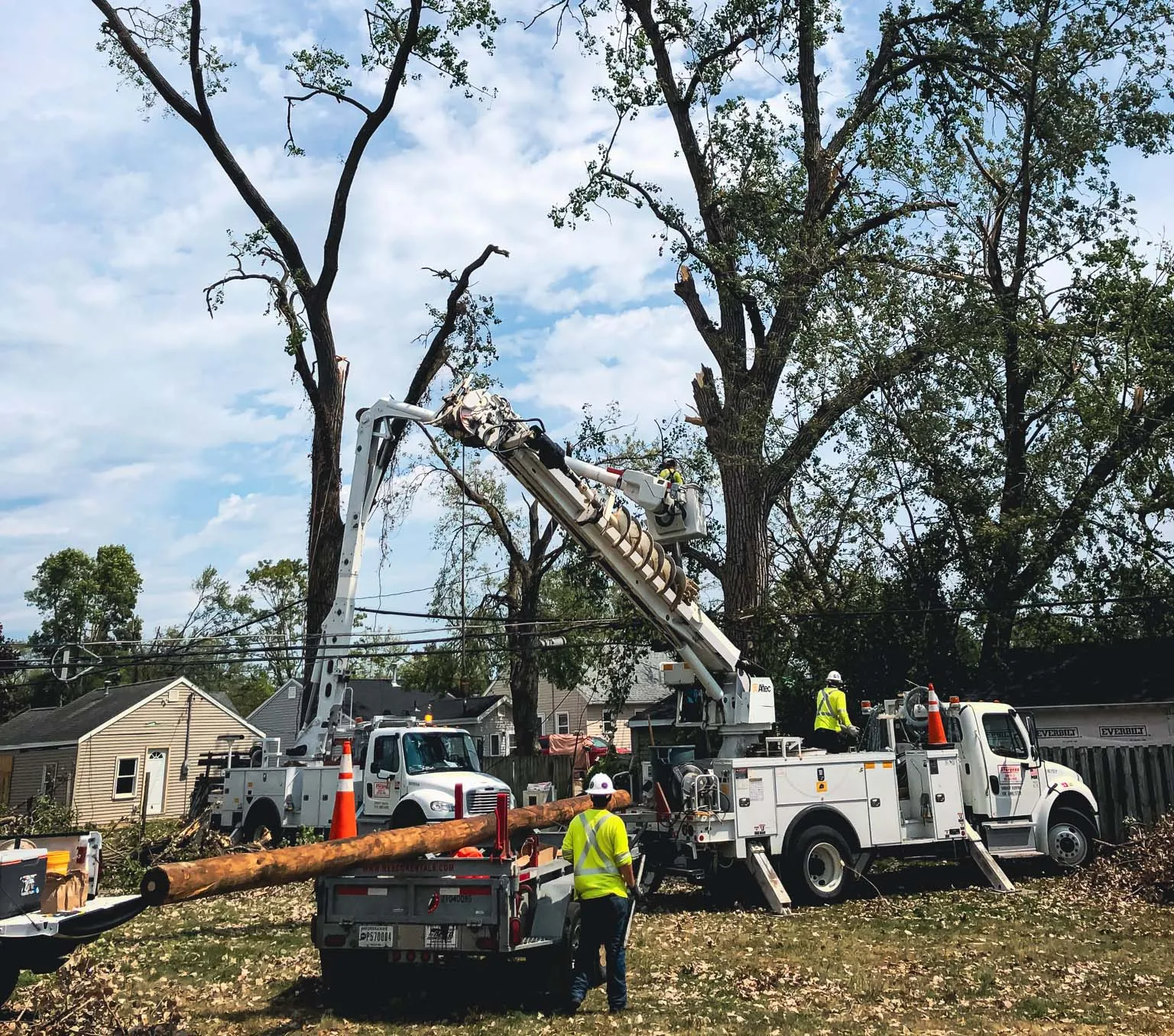
The sudden grid impact left Johnson County tracking as one of the hardest-hit local zones in the metropolitan expanse. Evergy registered tens of thousands of active outages on its digital map as utility tracking metrics fluctuated with successive line failures, forcing municipal crews across Missouri and Kansas into prolonged emergency restoration modes. A similar severe thunderstorm leaves thousands without power across the wider Midwest network, as detailed by Men’s Journal regarding parallel convective storms hitting the region. Field teams continued working through the overnight hours to clear downed lines and trees blocking primary transit routes.