
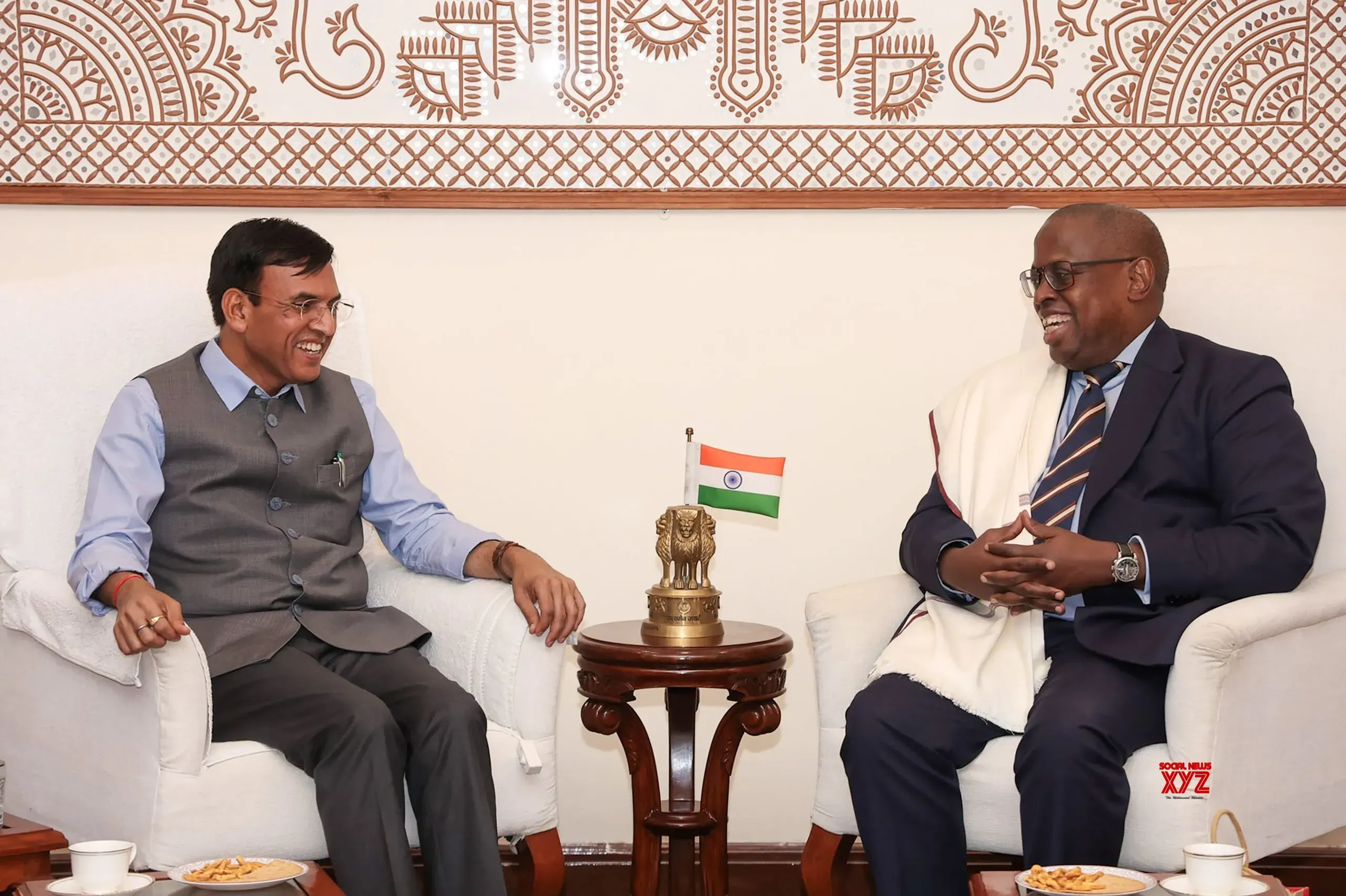
India is rapidly accelerating its Digital Public Infrastructure to inject liquidity into a middle class currently navigating rising living costs and inflationary pressures in 2026. Labour Minister Mansukh Mandaviya confirmed that the Employees’ Provident Fund Organisation (EPFO) successfully finished testing a new UPI payment gateway designed for immediate provident fund withdrawals.
The system allows 7 crore subscribers to bypass the traditional, paperwork-heavy claims process entirely. Once officially launched, eligible withdrawal amounts will transfer instantly to Aadhaar-seeded bank accounts. Users will authenticate the transaction using their standard UPI PIN, granting them immediate access to funds for digital payments, online transfers, or ATM cash withdrawals.
The integration alters how India treats its primary retirement safety net. Under the proposed framework, a mandated portion of the EPF corpus will remain permanently frozen to protect long-term financial security. The remaining eligible balance is then freed up for instant transfer, according to an India Today report verifying the completion of the UPI testing, the partial lock-in policy, and the upcoming WhatsApp service rollout for EPFO members.
EPFO is simultaneously deploying automated customer service channels to handle the influx of digital activity. Within the next month, the organization will launch a 24/7 WhatsApp helpdesk. Members can message “Hello” to a verified number to check their balance, track claim statuses, review their last five transactions, and resolve Aadhaar-linking errors in multiple local languages.
The shift toward digital-first resolution is generating numerical results. Labour ministry data indicates that pending consumer disputes fell from 4,936 cases in April 2024 to just 2,646 by March 2026. Officials credit the “Nidhi Aapke Nikat” outreach program for the sharp reduction in grievances.
This UPI rollout builds on a recent policy upgrade where EPFO raised the automated claim settlement limit from ₹1 lakh to ₹5 lakh. That previous rule change allowed subscribers to process emergency withdrawals for illness, education, and housing electronically within three days. The incoming UPI gateway reduces that wait time from three days to a few seconds.
How Instant Liquidity Alters India’s Retirement Infrastructure
For decades, the EPF operated strictly as a slow-moving, heavily guarded retirement vault. Getting money out required extensive documentation and weeks of processing time. Connecting the EPF directly to the UPI network functionally transforms the “eligible” portion of an employee’s retirement fund into a high-yield, on-demand savings account.
The partial lock-in rule is the functional safety mechanism preventing total wealth depletion. By separating the corpus into a locked retirement tier and a liquid emergency tier, the government protects the macroeconomic stability of the fund while solving immediate household liquidity crunches.
Historically, delays in EPF claim settlements forced workers to rely on high-interest personal loans or informal credit during medical emergencies. Instant UPI access eliminates that friction entirely. Financial institutions will now face a consumer base that holds direct, immediate access to their own capital, bypassing traditional bank loan products for short-term emergency funding.