
Generative AI is devouring electricity at a rate that is rewriting the rules of the tech industry. The raw computational hunger of these systems just forced Elon Musk to abandon his vision of powering artificial intelligence with terrestrial solar energy. To feed the incredible 1-gigawatt appetite of xAI’s Colossus supercomputer, he is pivoting hard to natural gas.
You need uninterrupted, continuous power to train next-generation models. Intermittent energy from Earth-based solar panels simply cannot keep the servers running when the sun goes down, pushing xAI to rely on fast-deploying fossil fuels to maintain its aggressive development pace, according to TechCrunch reporting on Musk’s shift to natural gas to meet xAI’s 1 GW energy demands.
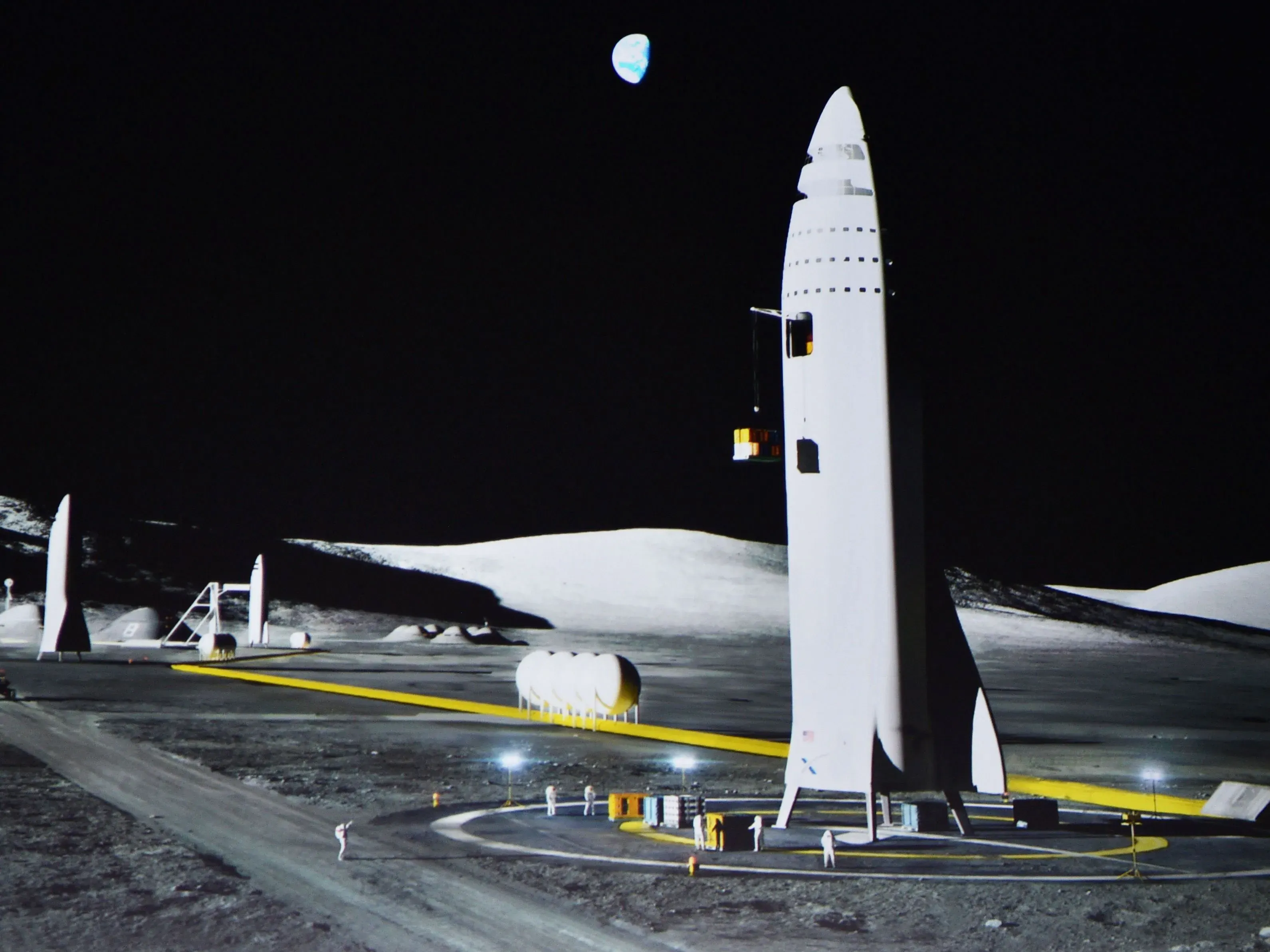
But the grand vision for clean energy isn’t dead—it is just leaving the atmosphere. SpaceX has filed regulatory paperwork to launch a fleet of solar-powered data center satellites directly into orbit. Up there, the sun never sets. By bypassing Earth’s weather and grid limitations entirely, Musk expects space to become the primary, most economically viable hub for AI computation by 2028.
Why Earth’s Grid Cannot Support the Hyperscale Era
Running a billion-dollar AI training cluster requires what utility engineers call “firm power”—electricity that never fluctuates. Battery storage technology is nowhere near the capacity required to bridge the gap during cloudy days or nighttime hours for a facility pulling a gigawatt of juice.
By reverting to natural gas, xAI is exposing the friction between Silicon Valley’s climate goals and the urgent, physical reality of building artificial general intelligence. It takes incredible heat and energy to synthesize human knowledge, and right now, burning fossil fuels is the only immediate way to keep those server racks online.