
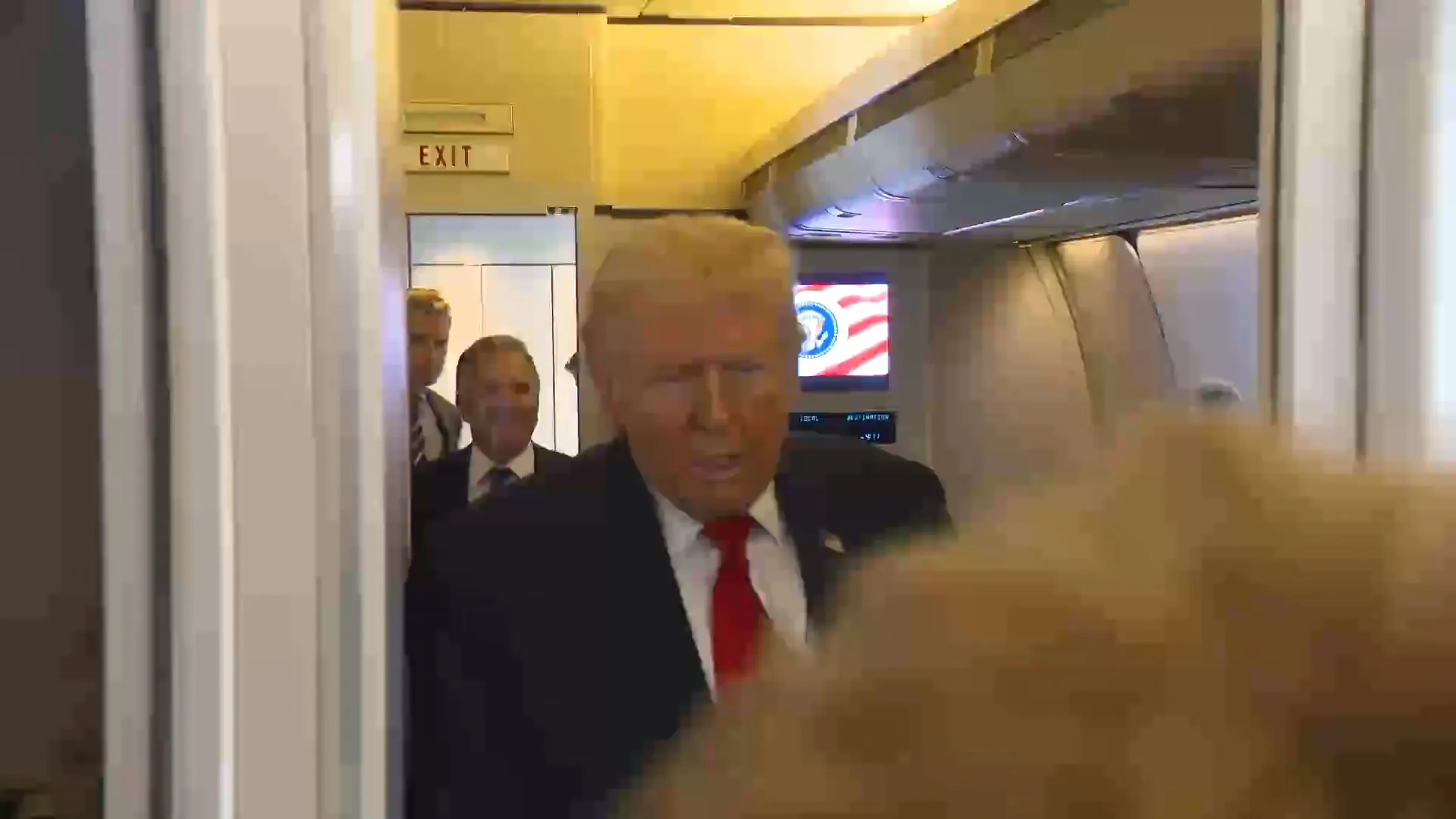
Donald Trump warned Taiwan against declaring independence during his flight from Beijing to Washington on Friday. The warning followed a high-stakes summit with Chinese President Xi Jinping. This policy shift occurs as the White House attempts to manage the 75-day war between Israel and Iran, which has closed the Strait of Hormuz and triggered a global energy crisis.
The president signaled a reluctance to commit to the military defense of the island. He stated that a war 9,500 miles away is the last thing the country needs right now. Trump noted that Xi Jinping spoke emotionally about China’s historical claim to Taiwan during their meetings in the Chinese capital.
The administration has not yet approved a proposed $11 billion arms package for the self-governing island. Trump said he told the Chinese leader he would consider Beijing’s views before making a final decision on the sale. This admission appears to bypass the Six Assurances, a set of 1982 principles that prohibit the U.S. from consulting China regarding weapons transfers to Taipei.
The comments sparked immediate criticism from domestic political opponents and media outlets. Trump reacted to the backlash from his plane, labeling reports from major networks as treasonous. The shift in rhetoric has caused visible anxiety among Indo-Pacific allies including Japan and South Korea, who rely on regional security guarantees.
Analysts suggest the White House is using its Taiwan policy as a tool to gain Chinese help in de-escalating the conflict in the Middle East. China remains a primary buyer of Iranian oil and maintains influence in Tehran. Reopening the global energy trade routes is currently the top economic priority for the administration.