
Dreams of hitting a winning ace at Wimbledon or lifting a Grand Slam trophy fill the minds of countless young tennis players worldwide. Yet, for many, that dream remains just out of reach, not because of a lack of talent, but due to a harsh financial reality. Dominic Thiem, the 32-year-old former Austrian pro and world number three, pulls no punches. He says tennis is “a sport for the rich.”
Thiem, the 2020 US Open champion and a finalist at Roland Garros in 2018 and 2019, as well as the Australian Open in 2020, recently spoke with ‘Jot Down Sport.’ He laid out the grim figures. “Training is extremely expensive,” he explained. “Between the ages of 13 and 18, until a young player starts earning money, you need to spend almost a million euros. Hardly anyone can afford that kind of money.”
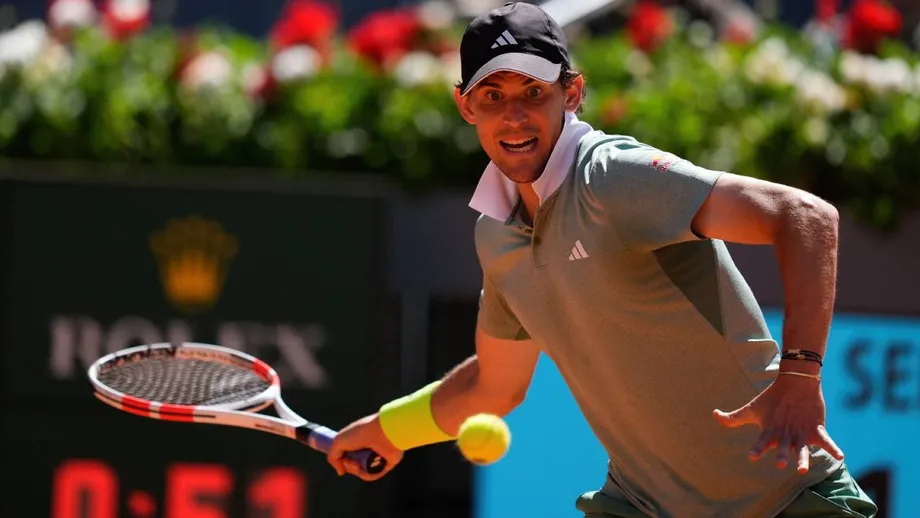
Now that he has stepped away from professional play, Thiem dedicates himself to nurturing new talent. He understands deeply how tough it is to break into the sport’s highest ranks. He knows even with support, the cost is staggering. Young players often travel like professionals to junior Grand Slam tournaments. This means 30 to 35 weeks a year on the road. There is no prize money at this stage, only expenses. At his academy, Thiem tries to help families with fewer resources. The goal is to give a talented boy or girl a real shot at their dreams.
Finding the Funding
Many aspiring players turn to private investments. An investor might put in 50,000 or 100,000 euros each year. In return, they receive a percentage of the player’s future earnings. This often comes with a set limit on how much they can get back. Thiem knows this system well. “I did that myself,” he admitted. When he was around 15 or 16, he received 80,000 euros annually. He started paying that back once he turned 21 and began earning more.
Even for those who make it to the top, the money isn’t always what it seems. Thiem notes that the large prize checks from Grand Slam events quickly shrink. “The numbers published look huge,” he said. He gave an example: “From a 60,000-pound check at Wimbledon, about 60 percent easily disappears.” This money goes to taxes, personal costs, coach fees, physiotherapists, and the team’s travel expenses. What looks like a fortune on paper often becomes a much smaller sum in a player’s pocket.