
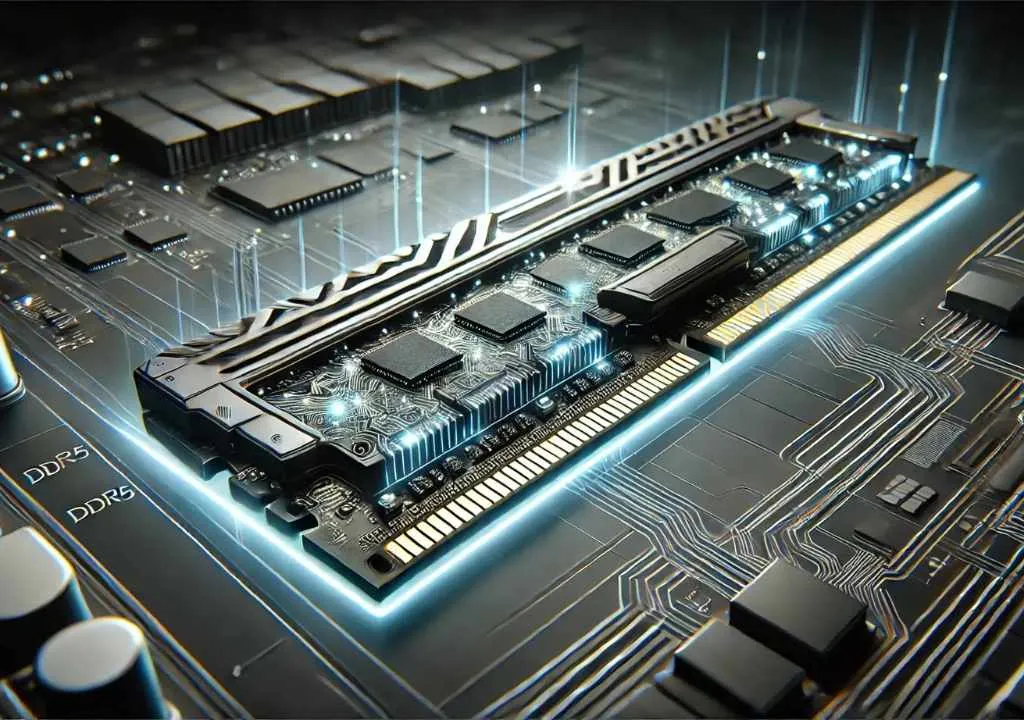
The 2026 RAM crisis has completely broken the standard PC building playbook. With artificial intelligence infrastructure devouring up to 70% of global memory production, consumer hardware is taking a severe hit. A standard 32GB kit of DDR5 memory that cost roughly $100 last year now demands between $350 and $400. That hardware reality pushed XDA Developers to publish a new guide detailing four critical mistakes builders keep making in this distorted market.
The biggest casualty is the traditional upgrade strategy. For decades, PC builders would under-provision their initial memory capacity to save money. They assumed they could easily slot in a cheap RAM upgrade a year down the line. That logic is now dead. With the cost of correcting hardware oversights stretching indefinitely, builders can no longer rely on budget memory expansions. You have to buy exactly what your system needs on day one, or risk being priced out of an upgrade entirely.
Even the largest technology companies cannot absorb the escalating memory costs. Apple recently reacted to the supply squeeze by raising base prices across its entire hardware lineup, including the MacBook Air, MacBook Pro, and iPad Air. If a company with unparalleled supply chain dominance is passing memory costs directly to the consumer, the DIY PC builder has zero chance of finding a hidden discount.
Why the HBM Server Shift Breaks Consumer Upgrades
This isn’t a temporary cyclical shortage like the 2017 NAND spike or the cryptocurrency GPU craze. Major memory manufacturers like Samsung, Micron, and SK Hynix have physically shifted their fabrication lines away from standard DDR4 and DDR5 RAM. They are prioritizing High Bandwidth Memory (HBM) strictly for AI servers.
That manufacturing pivot triggered a permanent industry change in standard hardware availability. Manufacturers are actively phasing out DDR4 production entirely while aggressively rationing their standard DDR5 allocations for consumer electronics. Industry executives, including Nvidia CEO Jensen Huang, predict this structural shortage and the resulting price hikes will persist until at least 2027 or 2028. Consumers planning a new desktop build must factor in these inflated memory costs as a permanent fixture of the current generation.