
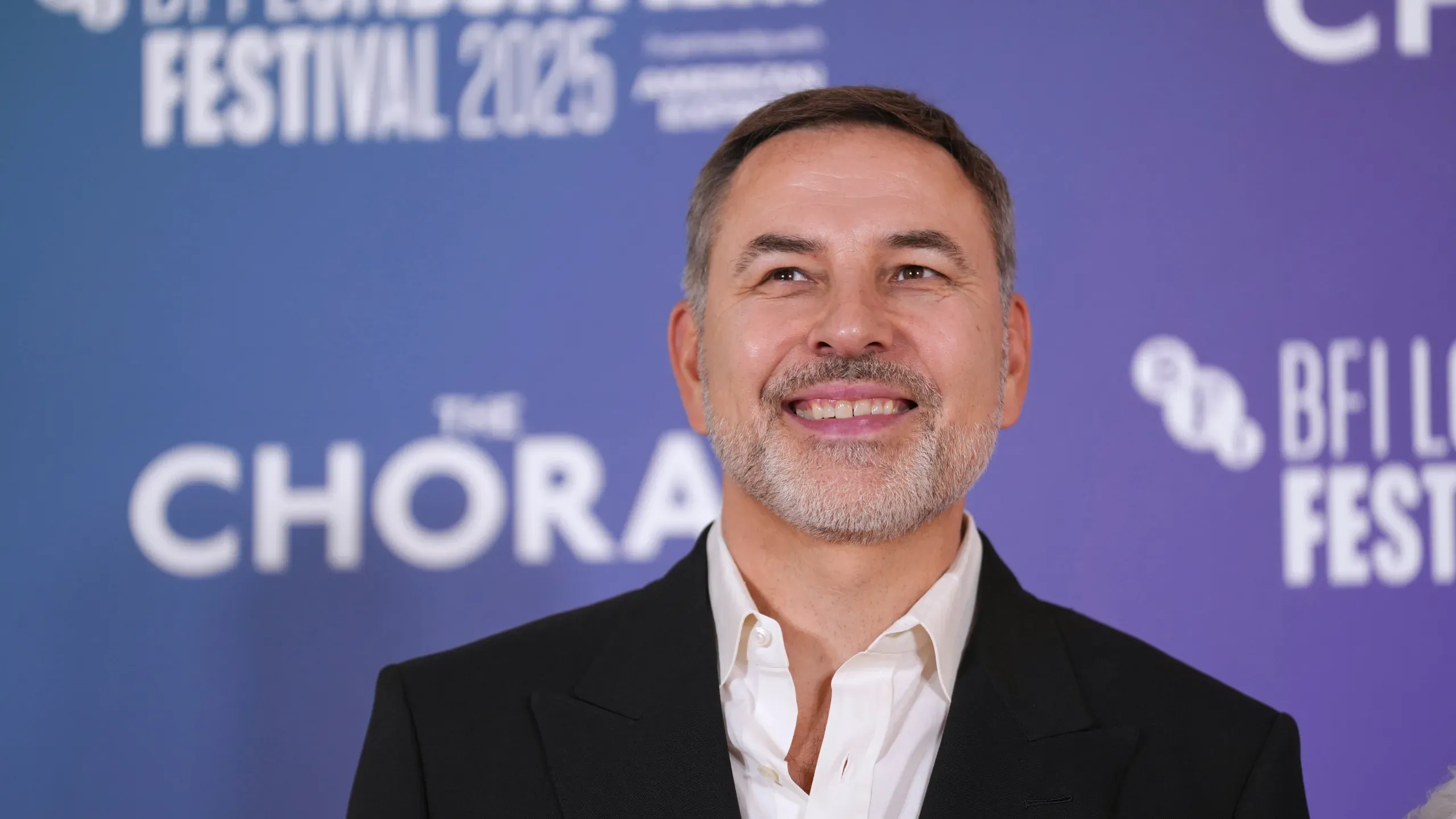
British television personality and children’s author David Walliams was publicly named on Tuesday in a joint investigation by The Guardian and ITV News alleging that he used his celebrity status to groom teenage fans and harass young women, after the High Court dismissed his bid for a lifelong injunction to block publication.
The three-year investigation drew on more than 100 interviews and accounts from over 30 first-hand sources regarding Walliams’s conduct between 2003 and recent years, according to The Independent. Two women, now in their 30s, alleged that Walliams groomed them after first meeting them when they were 15 years old. One of the women said she met him at a fan event for the BBC sketch show Little Britain before entering a relationship with him at age 17, stating that the experience affected both women for nearly two decades.
Sources also accused Walliams, 55, of misusing his position to pursue women through the ITV family show Britain’s Got Talent and at his former children’s book publisher, HarperCollins, where he had a sexual relationship with a junior female staff member and allegedly pursued another. The reporters reviewed emails, social media messages, contemporaneous notes, and newspaper articles to corroborate the accounts.
What Walliams Said in Response
Walliams strongly denies any wrongdoing, illegal conduct, abuse of power, or workplace sexual harassment. In a personal letter to The Guardian and ITV News journalists, he wrote: “Looking back, I realise that at times I behaved thoughtlessly towards other people I had casual sexual relationships with.”
In the letter, Walliams wrote that while a power imbalance is inevitable when one person is famous, he never abused that position. He added: “I am not a sexual predator. I have not broken the law, but I am devastated that some of the women I met 10 to 20 years ago have now expressed hurt or anger towards me.”
Lawyers for Walliams told the court that his reaction to the investigation was not an admission of guilt, stating instead that it stemmed from a fear of public shame connected to deep-rooted childhood trauma.
Why the High Court Rejected the Injunction
The findings became public only after a High Court battle over anonymity and press freedom concluded this week. After journalists first presented the women’s allegations to Walliams in May 2026, he sought a permanent injunction to prevent publication. The court heard last week that Walliams had twice attempted to take his own life following the May inquiry and had been detained under the Mental Health Act at an inpatient psychiatric hospital the week prior to the hearing.
His barrister, Sara Mansoori KC, argued under human rights laws and the Venables legal precedent that the court had a duty to protect his life through a lifelong ban on publication, while acknowledging that such an order would prevent the women from publicly sharing their accounts. High Court Judge Mr Justice Nicklin dismissed the application on Tuesday, Nov. 3, and reporting restrictions lifted after Walliams let a Monday afternoon deadline pass without appealing to the Court of Appeal.
While accepting that the risk to Walliams’s life and the probable impact on his teenage son were grave, Nicklin ruled that the investigation “concerns matters of substantial public interest” and that the court was not obligated to assume protective duties already managed by the National Health Service. “The state is already taking substantial and effective measures to protect the claimant. He is receiving inpatient psychiatric treatment in an environment which significantly reduces the likelihood of suicide,” Nicklin wrote, noting that inpatient care offered protection and could modify his mental state.
Nicklin concluded that blocking publication would be a severe restriction on press freedom. “It would prohibit the defendants from publishing the results of their investigations into allegations of serious wrongdoing by a prominent individual,” the judge ruled. “It would also prevent the sources whose accounts form part of those investigations from communicating their experiences to the public.”
The ruling establishes a clear boundary against extending lifelong anonymity injunctions to media investigations when state mental health services are actively supervising a claimant, while raising questions about workplace and audience safeguarding across major British media institutions.
Publisher Fallout and Documentary Broadcast
Walliams rose to prominence alongside Matt Lucas on Little Britain in the early 2000s, served for years as a judge on Britain’s Got Talent, and sold more than 60 million children’s books across 55 languages. In December 2025, HarperCollins ended its relationship with him and stopped publishing new titles following an internal probe into complaints regarding his behavior toward junior female employees, before moving in early 2026 to phase out his existing book stock, e-books, and audiobooks.
Asked about the joint investigation, HarperCollins referred reporters to its December 2025 statement noting that it would publish no new titles by the author and took employee wellbeing seriously. ITV and the production companies behind Britain’s Got Talent stated separately that they were unaware of any complaints regarding Walliams.
ITV is scheduled to air a documentary detailing the investigation, titled David Walliams: Power and Silence, on Tuesday night. Mansoori told the High Court during the proceedings that Walliams has no plans to return to public life.