
Stepping into a modern car feels like entering a personal sanctuary. Imagine the climate already set just right, your navigation route pre-loaded, and your favorite music ready to play. Over-the-air (OTA) software updates often download quietly in the background, keeping your ride fresh and efficient. This level of comfort and convenience is a real luxury that makes daily driving much easier.
However, there’s a flip side to this high-tech comfort. These smart features rely on a constant flow of information about your life. Every mile you drive creates data. This data tells a story: where you go, at what times, how you handle the car, and even what music you enjoy. The biggest catch? This personal information doesn’t just stay locked inside your vehicle.
Your Car: A Rolling Data Recorder
Connected cars are essentially smartphones on wheels. They gather a surprising amount of detail about you and your habits. This includes your exact location, how fast you drive, and even how you brake or accelerate. Your car maps out your route history and notes when you use it. It also logs data from various sensors. Beyond driving metrics, it records your phone interactions, like calls, messages, and even contact lists. Your searches within the car’s media system are noted, and some models even capture basic biometric data.
When you connect your car to a personal account, all this data often links directly to your name, phone number, email, and even bank details. The result is a surprisingly detailed and personal profile of you.
Did you know your connected car records almost everything: location, speed, braking and acceleration patterns, route history, usage times, sensor data, phone interactions (calls, messages, and even contacts), multimedia system searches and, in some models, even basic biometrics?
The Hidden World of Car Data Sharing
Your car isn’t just collecting data; it’s creating a personal dossier that becomes valuable in the data market. It’s not only the car maker who uses this information. Many other companies also want a piece of it. This includes navigation services, ride-sharing businesses, car repair shops, insurance companies, and countless other tech firms.
These companies often claim they handle data anonymously. However, “pseudo-anonymization” often doesn’t fully hide your identity. Combining your location, travel times, and regular habits can easily paint a clear picture of who you are. Choosing to activate all connected services brings convenience, updates, and better integration with your digital life. But it also turns your car into a “black box” that records and shares much of your daily routine.
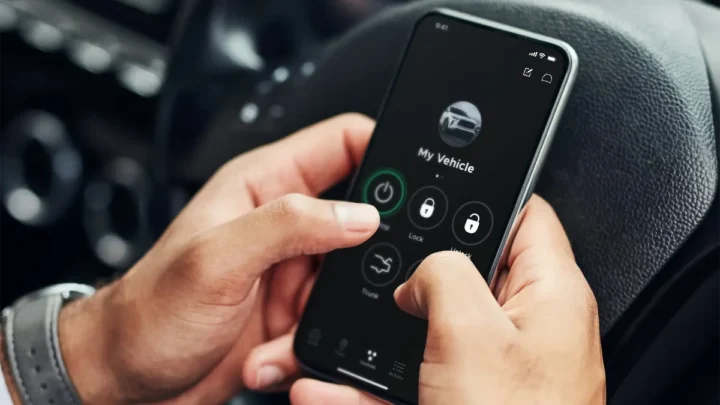
If you refuse this control over the car and its activity, the user is “threatened” with the loss of basic services they have already paid for.
Often, your choice in this matter isn’t truly free. If you refuse data collection, you might lose access to basic services you’ve already paid for. Sometimes, these critical details are buried deep within long legal documents you agree to when you buy the car. Ideally, cars should offer simple controls. These would let you turn off non-essential data collection without affecting your safety or the car’s main functions. If you choose to share your data, make sure you know exactly what you’re sharing, with whom, and for how long.
The Threat of Cyber Attacks
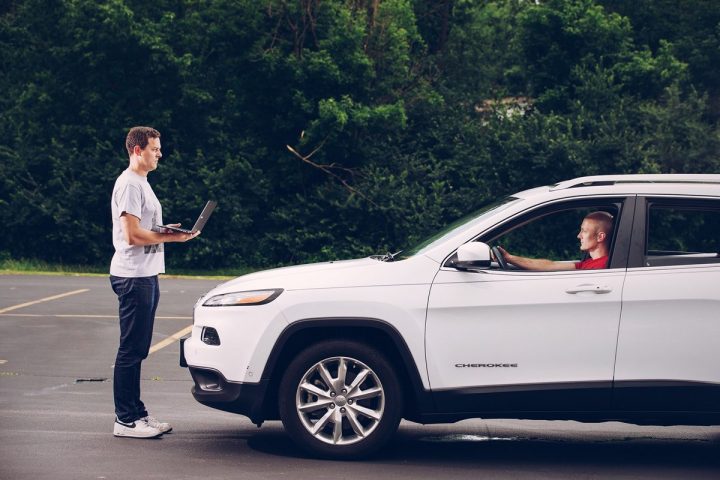
The danger of data theft and remote control over your car is growing. Groups like the European Union are trying to set rules for how vehicle data can be accessed. But they face a constant struggle with companies that want to make money from this information. While regulations call for strong cybersecurity and good practices, the reality is often different. Protection largely depends on how quickly manufacturers react and their willingness to prioritize security.
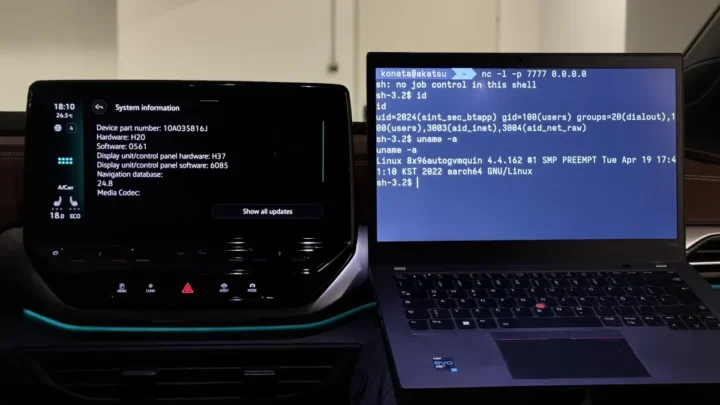
A poorly tested software, a weak Bluetooth connection, or problems in the supply chain can all open doors for attackers. These vulnerabilities mean someone could potentially manipulate your car from afar or even sabotage it. In recent years, investigations have uncovered serious flaws in the infotainment systems of major brands. This list includes Volkswagen, Mercedes, Nissan, Tesla, Jeep, and Kia.
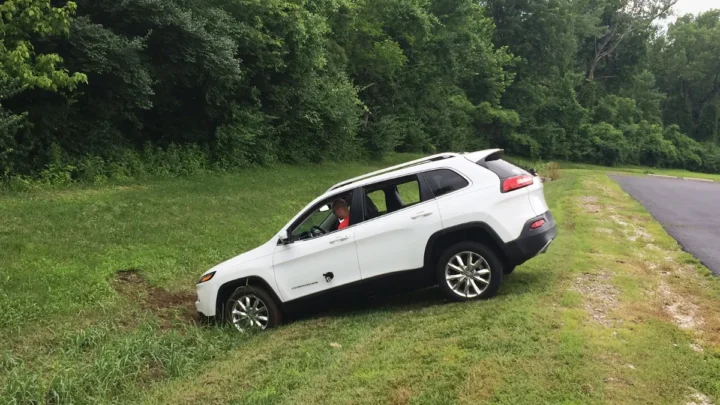
Many of these errors allowed hackers to not only steal data but also run code remotely. In some alarming cases, they could even take direct control of the vehicle. You can read more about one such vulnerability here: millions of cars exposed to remote hacking via PerfektBlue attack.
On top of this, problems with manufacturers’ own servers and apps can expose sensitive user information. This includes personal details, login credentials, and even bank data. Such breaches can lead to financial fraud, identity theft, and tricky phishing scams. Your connected car, therefore, becomes an attractive prize for cybercriminals.
Protecting Your Digital Drive
While your car’s maker knows almost everything about you, most drivers have no idea what data actually leaves their vehicle. But there are steps you can take.
Here are some helpful tips:
- Review privacy settings carefully when you first get your car.
- Avoid linking more personal data than absolutely needed.
- Ask for clear explanations about data collection rules and how updates affect them.
- When selling your car, make sure to unlink all your accounts.
- If you buy a used connected car, ask which services are still active.
Connected cars are definitely the future of how we get around. However, they will only be truly safe and beneficial when there are clear rules, responsible manufacturers, and alert consumers.