
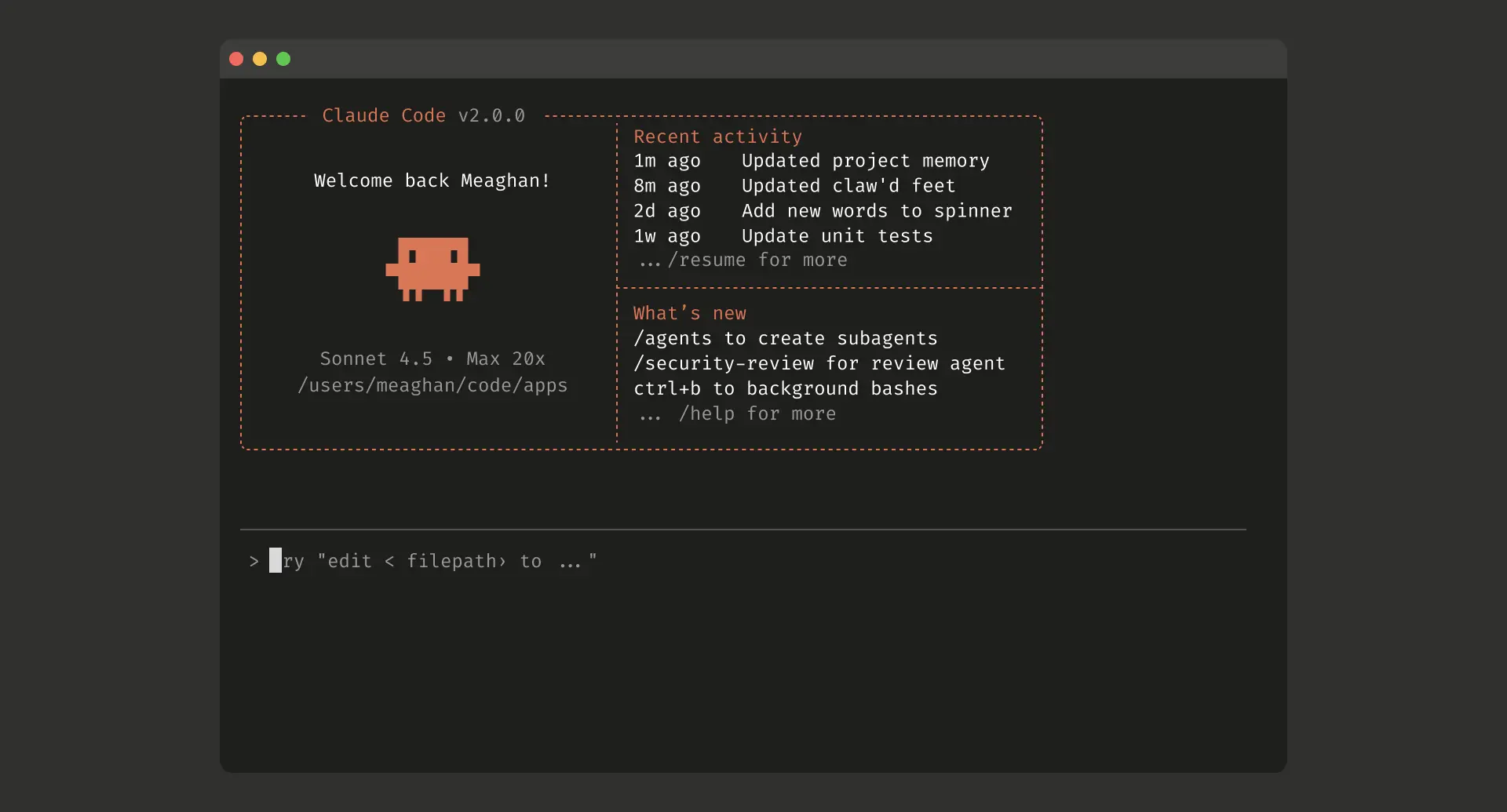
Command line interface agents are rapidly expanding past their original software engineering audience in 2026. Tech-savvy users are increasingly abandoning expensive, cloud-based productivity suites in favor of local, text-based environments. A new workflow guide published by XDA Developers explains how anyone can completely replace a paid Google Workspace subscription using Anthropic’s Claude Code.
The system relies entirely on a simple local directory structure rather than complex graphical user interfaces. By interacting directly with the reasoning AI loop in a terminal, users let the model manage data entry, text formatting, and organization autonomously.
What We Know
- The architecture uses a master
claude/directory containing four specialized subfolders designed to mimic specific Google Workspace applications. - A dedicated
CLAUDE.mdfile sits inside each subfolder to act as the strict rulebook and system instruction set for that specific environment. - Users update local markdown files, like a
pitches.mdtable, simply by typing natural language commands into the terminal. - The shift provides complete offline control over user data while eliminating recurring monthly cloud subscription fees.
Building the Post-GUI Workspace
The setup breaks the traditional habit of manually clicking through spreadsheet cells or navigating browser tabs. Instead of opening a web app to track expenses or plan content, users open their terminal and type what they need. Claude Code parses the request, reads the local CLAUDE.md instructions, and directly edits the corresponding markdown files.
If a user needs a spreadsheet equivalent, they utilize a designated tracker/ subfolder. The AI handles the markdown table alignment automatically. This text-based approach relies on the underlying capability of modern language models to flawlessly parse and manipulate markdown files without breaking the formatting.
How Terminal Agents Threaten Enterprise Subscription Models
The transition away from graphical interfaces points to a serious vulnerability for established enterprise platforms like Google Workspace. Tools like Aider, Codex, and Claude Code are starting to cannibalize the utility of premium web apps by offering the same organizational power locally for free.
When users realize a language model can update a text file faster than a human can navigate a spreadsheet GUI, the justification for a recurring subscription drops significantly. By moving productivity entirely into the terminal, users effectively cut the cloud provider out of the loop, reducing their software stack to just an operating system, a text editor, and an AI agent.