
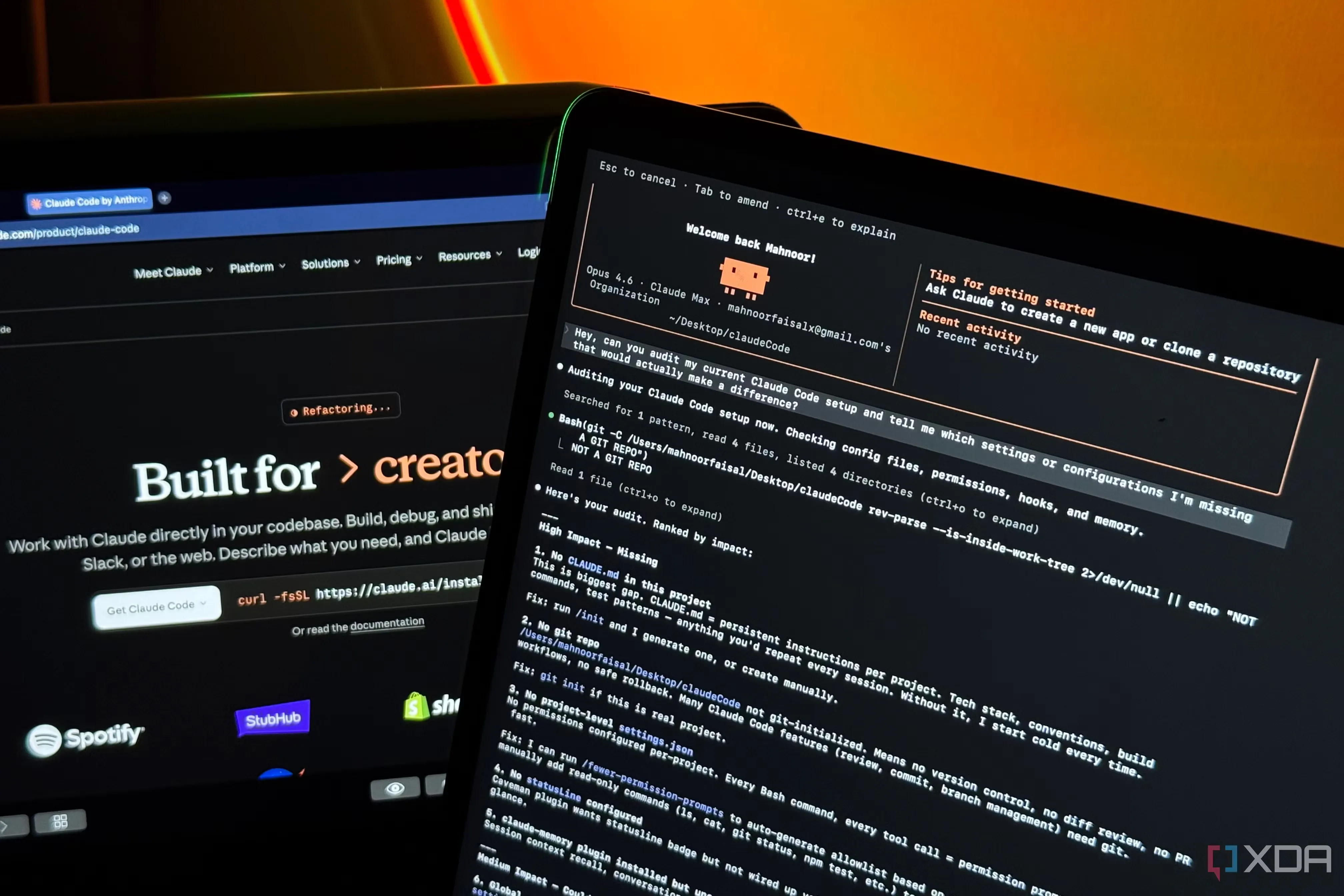
The command line is officially breaking out of the IT department. Anthropic originally built Claude Code as a terminal-only tool for software engineers in February 2025 before adding a desktop interface in November. But non-programmers are now hijacking the tool to automate their everyday administrative work. The appeal has absolutely nothing to do with writing software. Instead, it is all about persistent memory and customizable logic.
Users are finding the real magic lies in a simple text file called CLAUDE.md and a feature called “Skills.” According to a recent hands-on terminal review by Nolen Jonker, the tool excels at mundane office tasks. Jonker used the saved, reusable instructions to bulk-analyze image content across his messy screenshot folders and refine article titles. He completely ignored the sub-agent delegation layers, finding them too complex for basic daily work.
Anthropic is actively leaning into this ecosystem expansion. As of June 15, 2026, the company updated Claude Code to version 2.1.178. This specific patch upgraded how nested .claude/skills directories load and handle naming collisions, directly improving the exact feature non-coders are flocking to. This update arrived right alongside the wider Claude Opus 4.8 rollout, which brought “Dynamic workflows” to the terminal. The new model can plan and run hundreds of parallel sub-agents to tackle codebase-scale migrations.
These powerful parallel agents require strict safety guardrails. Anthropic implemented a strict security rule in the June 15 changelog requiring all subagent spawns to be evaluated by a classifier before launch. This closes a loophole where subagents could request blocked actions without human review. But Anthropic has another problem on its hands. Enterprising users realized they can bypass Anthropic’s paid subscription tiers entirely. By tweaking environment variables like ANTHROPIC_BASE_URL and ANTHROPIC_MODEL, developers are redirecting the Claude Code CLI client to competitor endpoints, including Google’s Gemini 2.5 Flash API.
Why API Spoofing Threatens Subscription Revenue
The ability to swap out the underlying intelligence engine while keeping the Anthropic interface highlights a growing problem for artificial intelligence labs. Anthropic spent resources building a highly capable terminal application, but users redirecting the prompts to Gemini 2.5 Flash means Google collects the compute fees.
Users clearly love the Claude Code interface and its native persistent memory handling. But loyalty to a user interface does not guarantee loyalty to a specific, more expensive language model. As front-end wrappers become more sophisticated, hardware providers and software labs will have to find new ways to lock users into their native billing ecosystems to protect their recurring revenue.