
Google officially killed the traditional search layout at I/O 2026. By shoving AI-generated summaries to the very top of results pages, the tech giant ended the “ten blue links” era that built the internet. Marketing teams are scrambling right now. Optimizing a website for Google’s old crawling algorithms is effectively a waste of resources.
The financial reality of this switch hit the public this week. Speaking to Rebecca Bellan on a Wednesday episode of the TechCrunch Equity podcast, Scrunch VP of Partnerships Matt Thompson detailed exactly what happens when traffic shifts to AI platforms. He revealed that AI referrals convert at a 400% higher rate than traditional organic search traffic.
Thompson pointed out a hard truth for enterprise brands. Sticking strictly to legacy Google SEO guidelines actually pushes companies in the wrong direction. OpenAI’s ChatGPT currently captures the vast majority of AI search volume. If a company only optimizes for Google, they ignore the most lucrative buyer segment entirely.
Why Answer Engine Optimization Threatens Ad-Supported Publishers
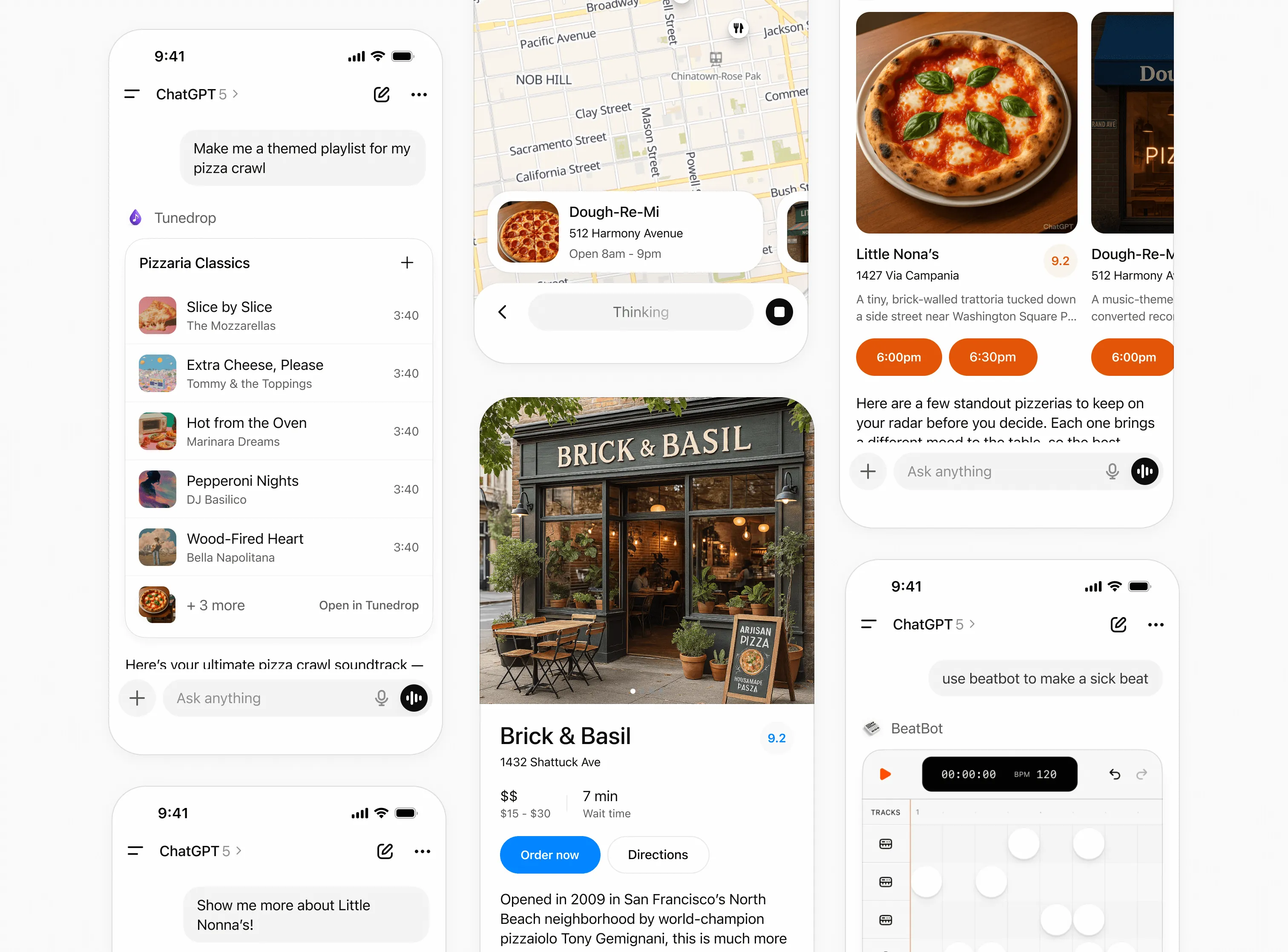
The industry is pivoting abruptly to Answer Engine Optimization. In the old model, success meant driving a user to click a link and visit a webpage. AI platforms break that mechanic. Because AI models read a website’s data and answer the user’s question directly in the chat interface, the organic click never happens. The user gets what they need without ever seeing the publisher’s ads or sales funnels.
This forces a complete redesign of corporate web infrastructure. Brands must make their platforms “agent-ready.” An AI model does not care about a website’s visual aesthetics, pop-up forms, or clever copywriting. It needs clean, instantly accessible entity data. If a business fails to structure its facts, pricing, and product specs for machine ingestion, the AI simply cites a competitor instead.