
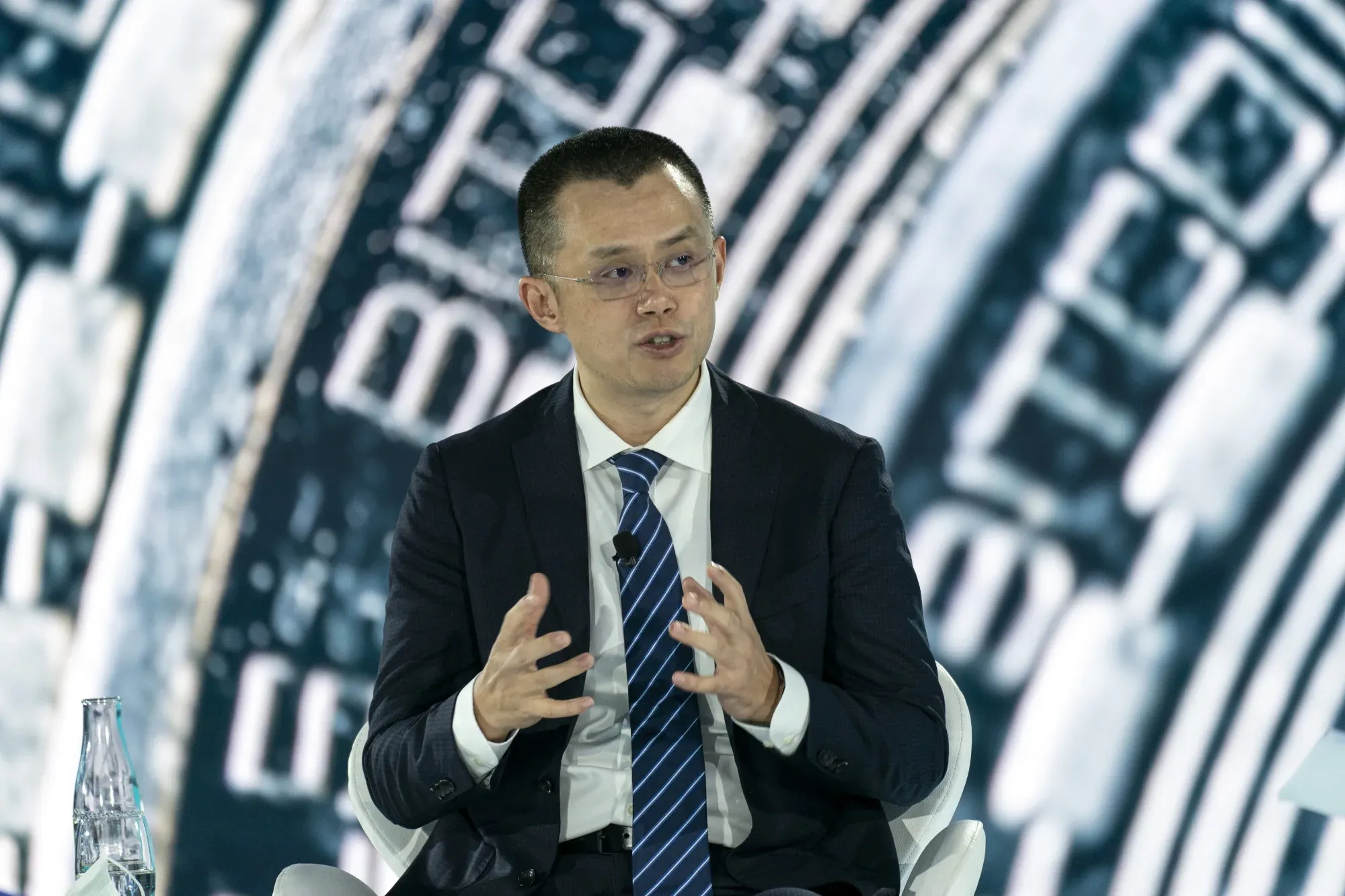
The U.S. military strikes on Iranian infrastructure in early June triggered a widespread risk-off environment across global markets, driving capital away from digital assets and into the U.S. dollar. Against this geopolitical backdrop, Binance founder Changpeng Zhao identified the conflict, coupled with a capital rotation into artificial intelligence equities, as the primary catalysts for the current cryptocurrency market downturn.
Zhao also pointed to the traditional digital asset timeline, noting that the current market structure aligns with a historical four-year cycle decline following previous halving events. Elevated interest rates remain a persistent headwind. With the Federal Reserve holding rates steady due to sticky inflation, and analysts at Goldman Sachs projecting no rate cuts until 2027, institutional investors have accelerated an ETF exodus to chase yields in traditional IPOs.
The Transition to Autonomous AI Agents
Despite the suppression of asset prices, Zhao stated the industry is transitioning into a structural phase dominated by non-human participants. He estimates that artificial intelligence agents will soon conduct 10,000 times more transaction volume than traditional human retail traders. To support this infrastructure, Zhao advocated for stablecoin issuers to maintain strict one-to-one fiat reserves, avoiding fractional lending models while passing generated yields directly to users.
Industry competitors are executing similar technological pivots. Coinbase CEO Brian Armstrong issued parallel statements arguing that AI agents are structurally forced to utilize blockchain networks because they cannot pass standard banking Know Your Customer (KYC) requirements. In response, Coinbase deployed Agentic Wallets on its x402 protocol specifically designed to capture autonomous machine-to-machine payment volumes.
Binance’s proprietary network, BNB Chain, officially rolled out the ERC-8004 standard alongside BAP-578 to facilitate this shift. The technical standard creates verifiable on-chain identities for autonomous AI agents, allowing them to execute decentralized payments and manage non-fungible wallets without requiring human authorization.
How AI Identity Standards Alter Exchange Transaction Volumes
The deployment of ERC-8004 and the x402 protocol physically alters how exchanges calculate forward-looking revenue. Historically, digital asset exchanges relied on human retail sentiment and speculative trading cycles to generate fee income. By establishing dedicated rails for AI agents to process micropayments, exchanges are attempting to replace volatile retail volume with automated, continuous enterprise utility.
If autonomous agents are structurally restricted from opening traditional bank accounts, blockchain rails become the default financial infrastructure for the broader AI sector. While institutional ETF participation and Wall Street adoption provide a baseline floor against deeper price drawdowns, the network fee revenue generated by machine-to-machine transactions establishes a new metric for evaluating blockchain utility entirely independent of token price speculation.