
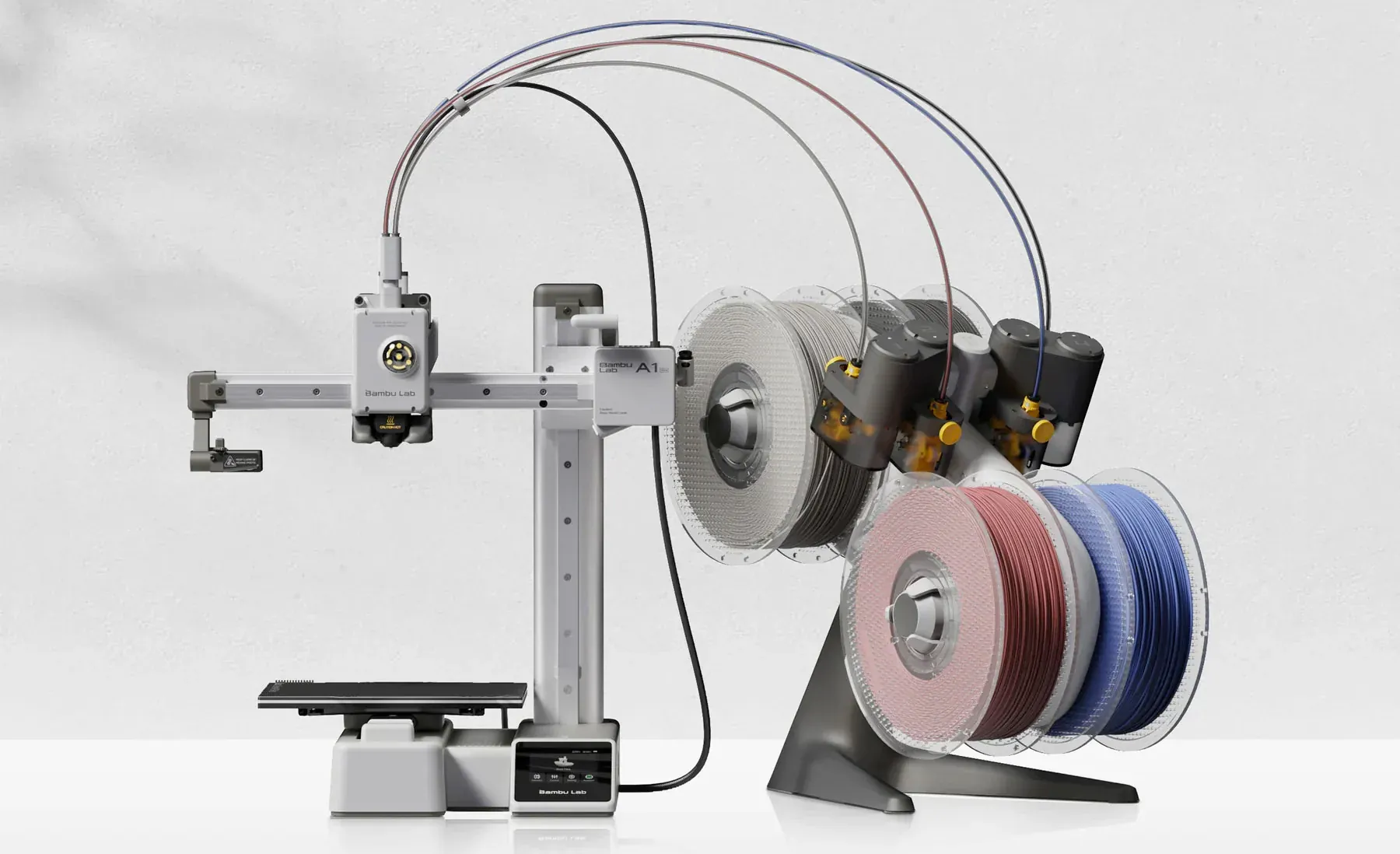
The tension over who actually owns the code powering modern consumer hardware just hit a boiling point. Independent developer Paweł Jarczak recently pulled the plug on his popular “OrcaSlicer-BambuLab” project. He shut down the software fork immediately after receiving a cease-and-desist threat from major 3D printer manufacturer Bambu Lab.
Jarczak’s software allowed users to restore specific offline networking and cloud-access features that Bambu previously locked behind its proprietary middleware. The legal threat immediately sparked intense backlash across the hardware community. Enthusiasts quickly pointed out a frustrating contradiction: Bambu Lab builds its own slicing software, Bambu Studio, on top of open-source code governed by the strict AGPLv3 license. Jarczak argued he simply used code that Bambu was already legally obligated to keep open.
The Line Between Open Source and Proprietary Black Boxes
The genealogy of this code sits at the center of the dispute. The original architecture came from Slic3r, which was forked into PrusaSlicer, and then Bambu Lab forked that to create Bambu Studio. The AGPL copyleft requirements technically tie all subsequent software strictly to the original open-source rules. Industry veterans are speaking out, with Prusa Research founder Josef Prusa specifically criticizing the company as operating an un-auditable network black box that violates the AGPL license. Right-to-repair advocate Louis Rossmann also jumped into the fray, openly reproducing the disputed code and daring Bambu Lab to sue him.
Bambu Lab pushed back against the accusations. The company maintains full compliance with open-source licenses. They argue their closed-source networking plugin functions as a separate module loaded only at runtime, a technical distinction they claim lawyers fully vetted back in 2022.
This technicality is no longer just a forum debate. The Software Freedom Conservancy officially intervened this week. The advocacy group launched the “Baltobu” project, starting a $250,000 fundraiser to investigate and legally challenge Bambu Lab’s AGPLv3 compliance.
What a Strict AGPLv3 Ruling Means for Proprietary Hardware Makers
The intervention of the Software Freedom Conservancy completely changes the stakes for the 3D printing industry. This conflict triggers a very strict interpretation of the Affero General Public License version 3. The courts will have to decide if a proprietary networking plugin violates the “Corresponding Source” clause by integrating too tightly into an open-source base program to count as a separate entity.
If legal action forces Bambu Lab to open-source its entire networking stack, other hardware manufacturers will have to rethink how they build software. Companies frequently use open-source foundations to save development time while keeping their profitable cloud features closed. A ruling against Bambu Lab establishes a precedent that heavily restricts how tightly corporations can weave proprietary plugins into community-built code.