
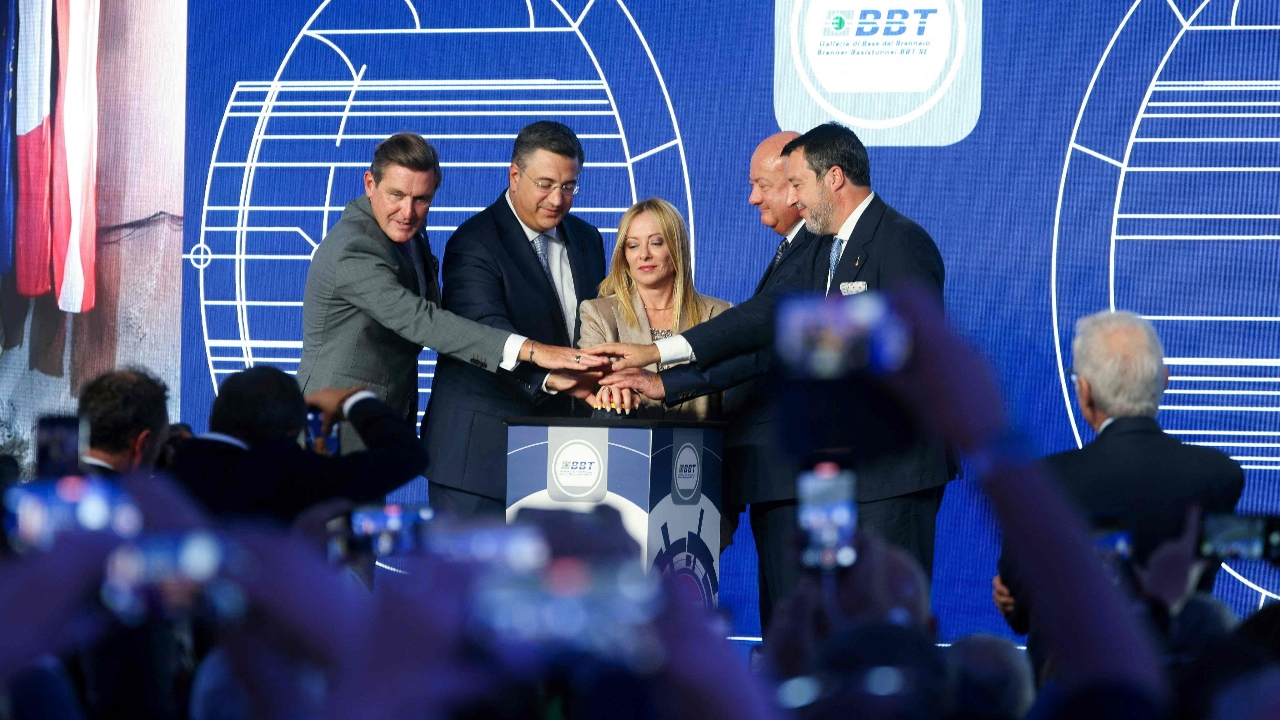
A remarkable moment unfolded deep beneath the Alps as Austria and Italy marked a major milestone. Leaders from both nations came together to activate the final drill, breaking through the last stretch of rock for a historic railway tunnel. Once finished, this massive project will become the longest railway tunnel on Earth, a true testament to human ambition.
The breakthrough ceremony for the Brenner Base Tunnel took place a stunning 1,400 meters underground. Italian Prime Minister Giorgia Meloni joined Austrian Prime Minister Christian Stocker to press the button, signaling the completion of the rock boring. Meloni spoke about the achievement, saying that no challenge is too great when people dare to pursue big goals. This connection promises to reshape travel and trade across Europe.
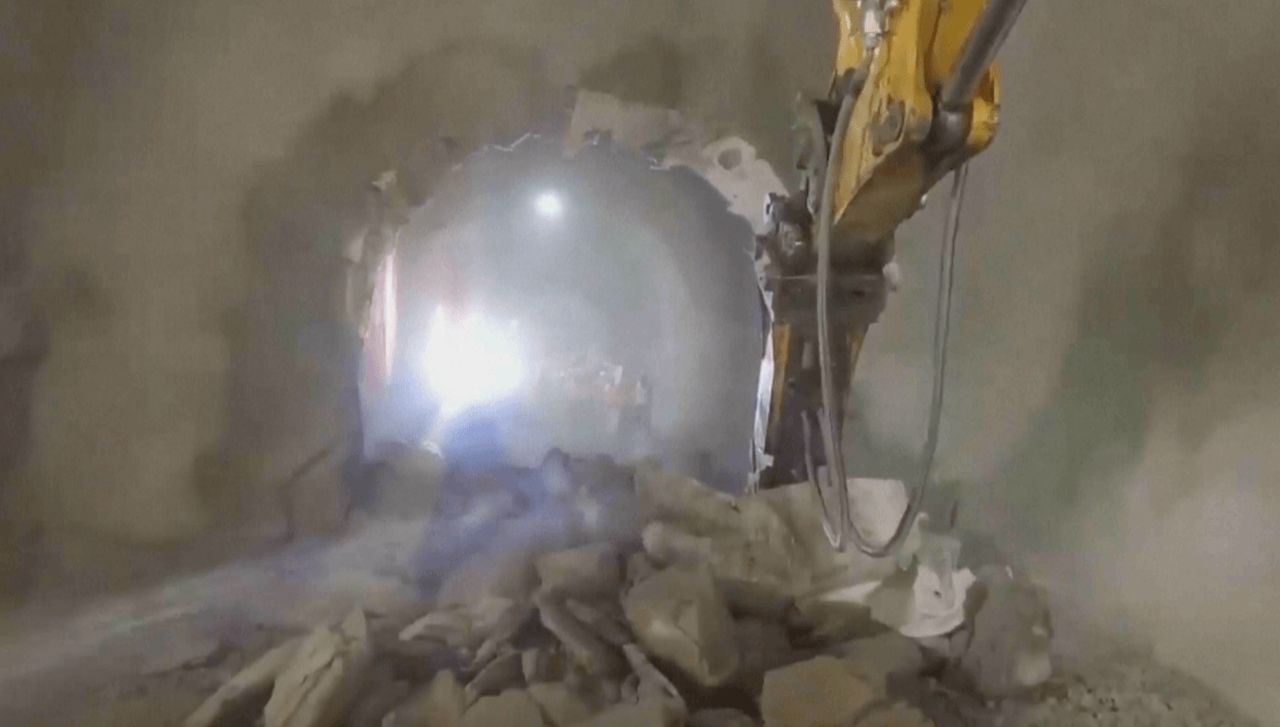
The Brenner Base Tunnel will be a cornerstone of Europe’s transportation future. It’s part of a grand European Union railway plan stretching from Helsinki in Finland all the way to Palermo on the island of Sicily. This wide-reaching network aims to make connections smoother and faster across the continent.
When the tunnel opens, travel times will drop significantly. A trip from Verona to Munich, for instance, will take just two and a half hours. The journey from Milan to Paris will speed up by at least 30%, cutting down to only four and a half hours. Even the port city of Genoa will become an easy round-trip destination from Milan, Italy’s bustling financial and fashion hub.
This spirit of bold construction isn’t limited to the Alps. Italy has also given the green light to build the Messina Strait Bridge. This bridge will finally link the Italian mainland with Sicily, an idea that has been debated for centuries, even since ancient Roman times. It shows a clear intent to tackle long-standing infrastructure challenges.
Beyond convenience, the new tunnel has big environmental goals. It aims to pull more than 2.5 million trucks off the roads each year. These trucks currently use the Brenner Pass, one of Europe’s busiest routes for cargo. By shifting freight to rail, the project will help reduce air pollution, noise, and carbon dioxide emissions, aligning with the European Union’s push for cleaner energy.
Source: AP