
Aston Martin is officially pushing its electric vehicle launch into the 2030s. The British luxury automaker is reacting to direct consumer pushback, as buyers continue to reject battery-electric models in favor of traditional combustion engines. To bridge the gap, the company is scrapping its planned plug-in hybrids entirely and will transition to 48-volt mild hybrids to squeeze out minor efficiency gains without the heavy weight penalties of large battery packs.
That pivot away from plug-in hybrids isn’t just an engineering preference. The European Union recently downgraded the regulatory emissions credits for PHEVs after real-world tracking proved owners rarely actually plug them in. Without the regulatory benefit, building them no longer makes financial sense for the brand.
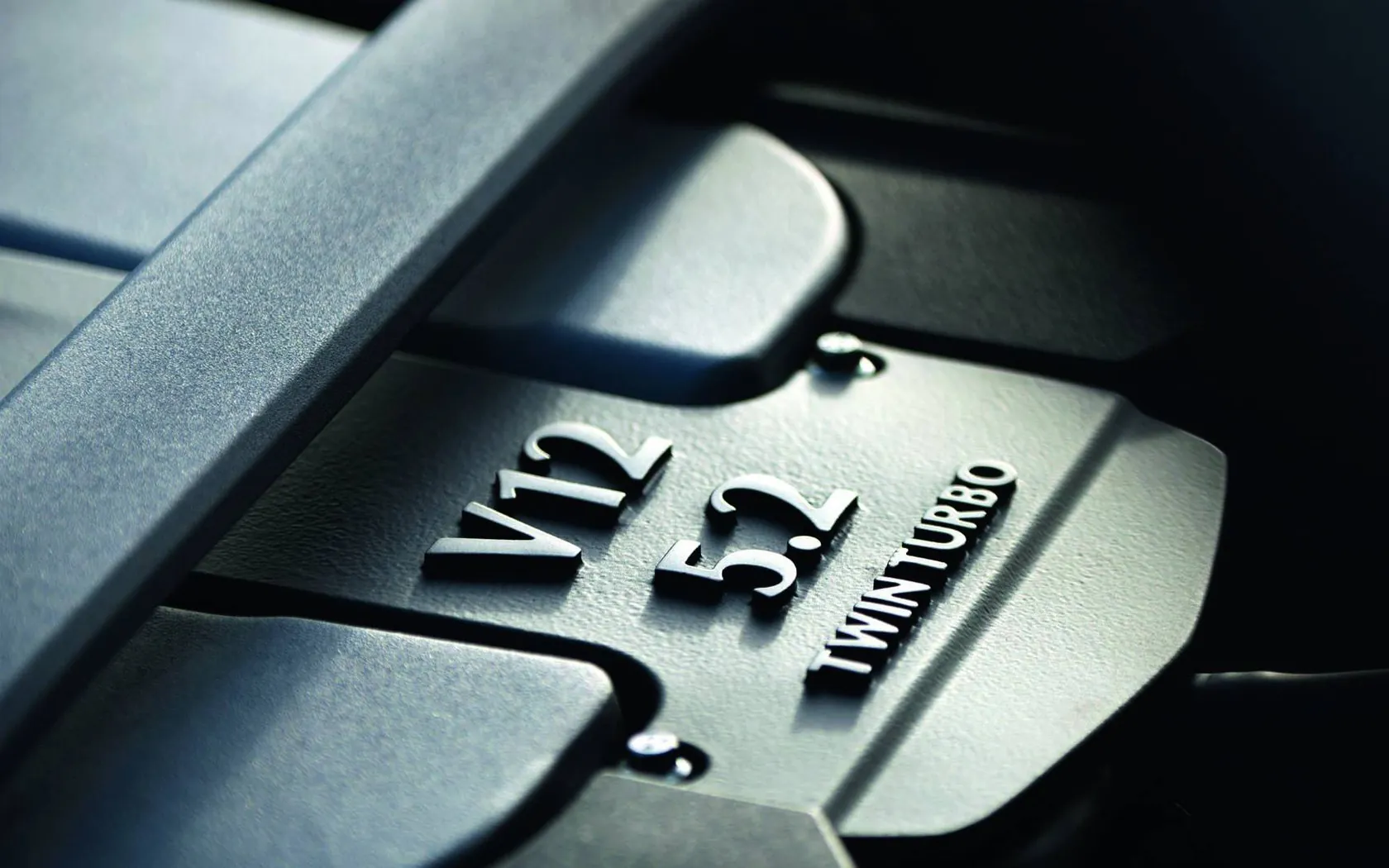
But the real focus is on the 12-cylinder engine. Despite tightening global emissions regulations, Aston Martin is keeping its signature V12 in production. The company is leaning on a specific regulatory loophole. By strictly capping V12 vehicle sales at fewer than 1,000 units per year, they qualify for a small-volume manufacturer exemption from European and U.S. legislation until at least 2035.
CEO Adrian Hallmark confirmed the strategy involves a clean-sheet modular platform. This architecture will eventually underpin both front-engine SUVs and sports cars on the same assembly line. The move stands in sharp contrast to industry rivals. Mercedes-Benz recently killed off its 6.0-liter twin-turbo V12 from the Maybach S 680, leaving Aston Martin in a shrinking class of ultra-luxury holdouts.
Why Luxury Automakers Are Retreating From EVs
Aston Martin’s delayed timeline reflects a wider stall at the top end of the auto market. Earlier this year, GM, Jaguar Land Rover, and Mercedes-Benz all softened their electric transition targets. High-net-worth buyers are balking at the charging logistics and steep depreciation curves of luxury EVs.
By securing the V12 exemption and abandoning the compromised PHEV route, Aston Martin is betting that exclusivity and traditional engine characteristics will command higher margins over the next decade than a rushed electric transition.