
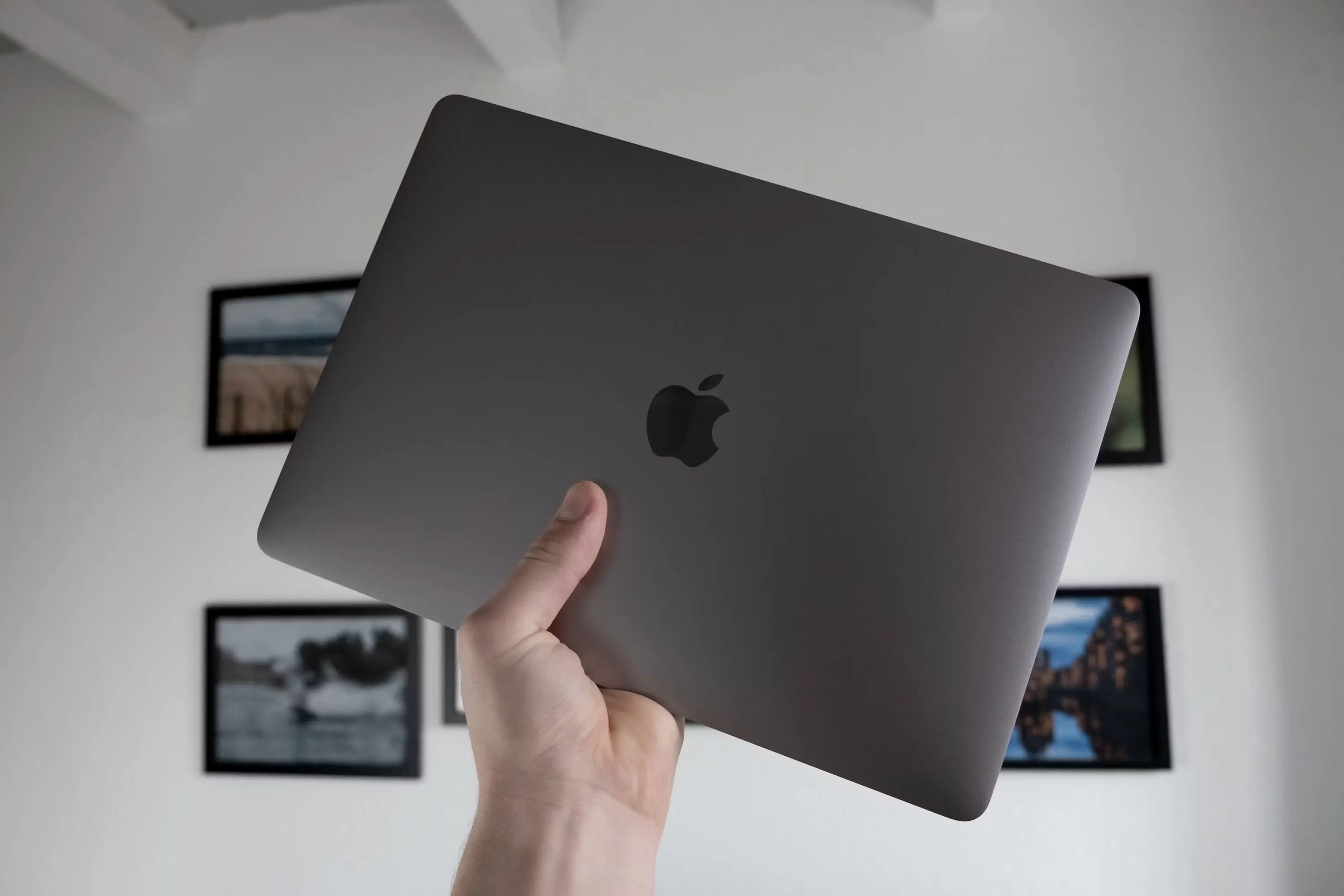
Apple is preparing to completely overhaul its premium laptop lineup. The upcoming MacBook Ultra introduces an OLED display and direct touch input to the Mac for the very first time. If you use a laptop daily, this is the biggest physical redesign to hit Apple’s top tier since 2021. The target release window sits between late 2026 and early 2027.
Years of institutional resistance to touch-enabled Macs are officially ending. According to analysts Ming-Chi Kuo and Mark Gurman, the device maintains a standard clamshell body. Apple is building it to be “touch-friendly, not touch-first.” You still get a physical keyboard and a traditional trackpad.
The new hardware strips down the chassis thickness. It also replaces the standard notch with a hole-punch camera. Early reports point to the addition of a Dynamic Island and built-in cellular networking.
Powering this machine are the M5 Pro and M5 Max chips. Apple actually canceled the planned M6 processor line entirely to focus its engineering resources on the AI-focused M7 series. That means the Ultra will reuse the silicon architecture found in the March 2026 MacBook Pro refresh.
That timing forces a strange compromise. Buyers get radical hardware paired with older silicon.
The display hardware delivers a massive upgrade. The panel uses hybrid OLED technology, combining an oxide TFT backplane with a tandem two-stack structure. It’s the exact same tech Apple currently uses in the iPad Pro to double the screen’s lifespan and boost peak brightness.
The Apple Touch Screen Reversal
Including touch on the MacBook Ultra reverses a long-standing design philosophy. Steve Jobs famously called vertical touch surfaces “ergonomically terrible” in 2010. The company spent over a decade arguing that laptops and tablets should serve entirely different computing functions.
This hardware shift forces macOS developers to rethink their interface targets. App makers will need to scale touch targets for fingers rather than precise mouse clicks. Integrating the Dynamic Island into a desktop operating system also requires a fundamental rewrite of how Mac notifications behave.