
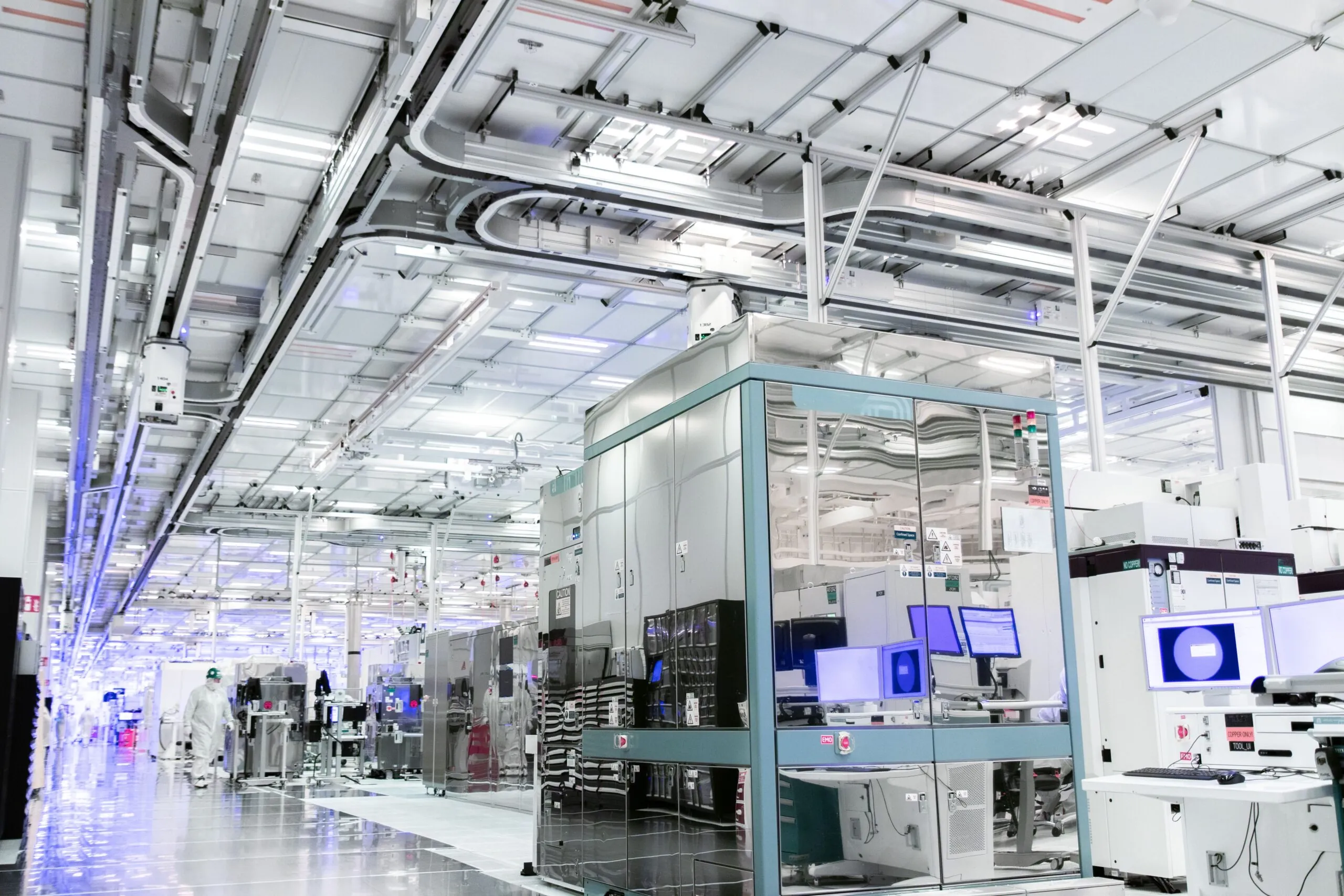
Apple is reportedly heading back to Intel. In a massive shift for the tech industry, the iPhone maker has reached a preliminary agreement to use Intel to manufacture its custom chips. This is not a return to the old Intel processors of the past. Instead, Apple wants to use Intel’s factories to print its own proprietary Apple Silicon designs. The move comes as a response to a global semiconductor squeeze. Right now, the explosion of artificial intelligence is hogging manufacturing space at TSMC, leaving Apple looking for a way to secure its future supply chain.
The current agreement is still in the early stages. No huge orders are on the books yet. But the message is clear. Apple is tired of being 100% dependent on Taiwan Semiconductor Manufacturing Co. (TSMC). The massive shift toward agentic AI has forced every major tech player to rethink their hardware strategy. This new rivalry for factory space is causing real headaches. Even Tim Cook recently admitted that supplies for the Mac mini and Mac Studio are tight and could take months to fix.
Moving beyond the TSMC monopoly
Apple has spent years building a “moat” around its chip production at TSMC. It usually gets first dibs on the smallest, fastest transistors in the world. But that monopoly is under threat. Competitors are building massive AI data centers and they are willing to pay top dollar for the same factory space Apple needs. To fix this, Apple executives have explored other options. Apple executives have also held exploratory discussions with Samsung according to an Indian Express report published this week. But Intel seems to be the frontrunner for this new secondary manufacturing role.
Intel is betting its entire future on Intel Foundry Services. CEO Lip-Bu Tan has been pushing a strategy to build chips for other companies, even its rivals. Winning Apple as a customer is a huge win for Intel. It proves that Intel’s new manufacturing tech can handle the most advanced designs on the planet. For Apple, it provides a “Plan B” if things get too crowded or politically complicated in Taiwan.
When will these chips arrive?
Don’t expect an Intel-made iPhone 18 this year. Reports suggest that the upcoming A20 and A20 Pro chips are still sticking with TSMC’s 2nm process. The Intel deal is looking further ahead. Apple is likely eyeing Intel’s upcoming “14A” process, which is a 1.4nm-class technology. We might see Intel-made chips inside non-Pro iPhones by 2027 or 2028. This long-term planning shows that Apple is worried about the AI boom lasting for a long time.
Intel stock jumped on Friday following the news. Investors see this as a sign that the company is finally turning things around. For Apple fans, it means more stable supplies and potentially faster innovation. By having two of the world’s biggest chip makers competing for its business, Apple gets more power to dictate prices and production speeds. It is a full-circle moment for a relationship that many thought was dead forever.
Why Apple’s exit from the TSMC monopoly changes the global chip race
This deal marks the first time since 2020 that Apple and Intel have worked together on core hardware. When Apple launched the M1 chip and ditched Intel, it felt like a permanent breakup. But the business of making chips is different from the business of designing them. This is a historic paradigm shift. Apple is no longer just a “fabless” designer stuck with one partner. It is becoming a multi-foundry player. This move directly targets TSMC’s dominance and puts pressure on Samsung to keep up. It also aligns with a broader push to bring more high-tech manufacturing back to the United States. If Intel can successfully print Apple Silicon in its Western factories, it changes the geopolitical map of tech forever.