
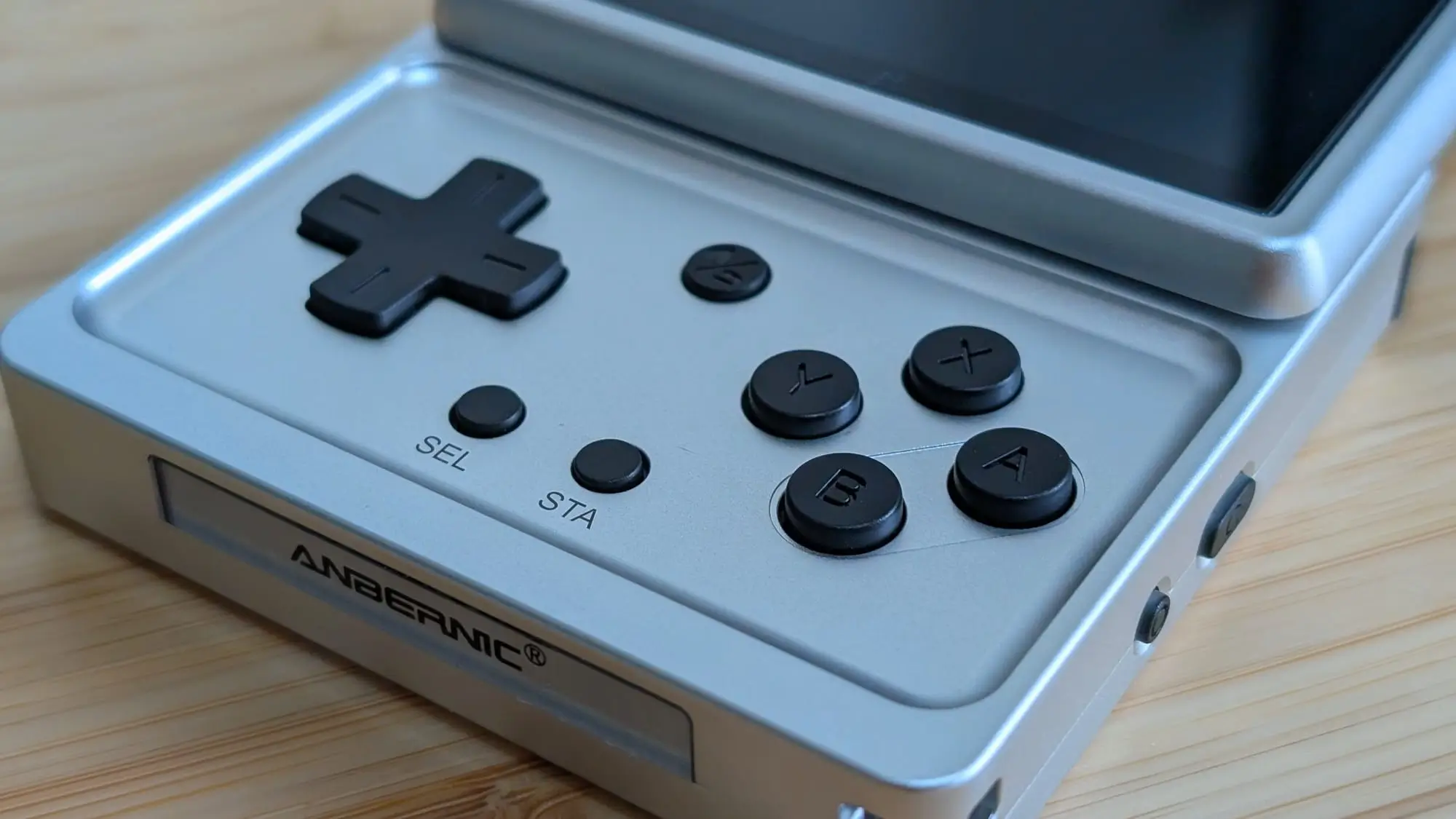
Retro gaming hardware manufacturer Anbernic officially launched a dedicated digital storefront for replacement parts, marking a shift away from closed support systems to an open right-to-repair philosophy. If a handheld console suffers a broken screen or a drifting joystick, users no longer have to throw the entire unit in the trash. The new shop allows owners to buy individual components ranging from batteries to full motherboards directly from the manufacturer.
Most minor repairs are surprisingly affordable. Conductive rubber pads cost around $3, batteries are priced at $8, and replacement joysticks or buttons sit at roughly $10. For the company’s sole Windows-based device, the WIN600, every single component is listed. Modders calculated that a user could theoretically assemble a complete WIN600 entirely from scratch using the parts store for roughly $355, with the motherboard costing $236 and the display coming in at $66.
Anbernic implemented strict purchasing rules for the new storefront. Buyers must manually input the exact model and color they need at checkout. Parts ordered for the wrong console or in an incorrect color are strictly non-refundable and cannot be exchanged. If a buyer forgets to specify a color, the company automatically cancels the order within one week.
The new storefront supports hardware ranging from the recent RG Rotate down to older units like the RG350P and RG280V. Industry watchers quickly compared the initiative to Apple’s self-repair program, as it replaces a tedious customer service ticketing process with direct access to parts.
How DIY Parts Extend the Life of Emulation Hardware
The rapid release cycle of retro handhelds usually treats these devices as disposable electronics. When a budget console breaks, users often buy the next iteration rather than hunting down scrap parts online. Selling official components directly fundamentally alters how long these systems stay out of landfills.
It also puts pressure on competitors to offer similar transparent repair options, rather than forcing players through lengthy email chains with overseas support teams. By making $10 joysticks easily accessible, Anbernic is building long-term hardware loyalty in a market normally defined by short attention spans.