
AMD just built an absolute powerhouse with the Radeon RX 9070 XT. The hardware efficiency is spectacular, and it easily undercuts its closest competitors in raw rasterization. By all traditional metrics, it should be an instant buy for anyone building a high-end PC right now. But hardware is only half the equation.
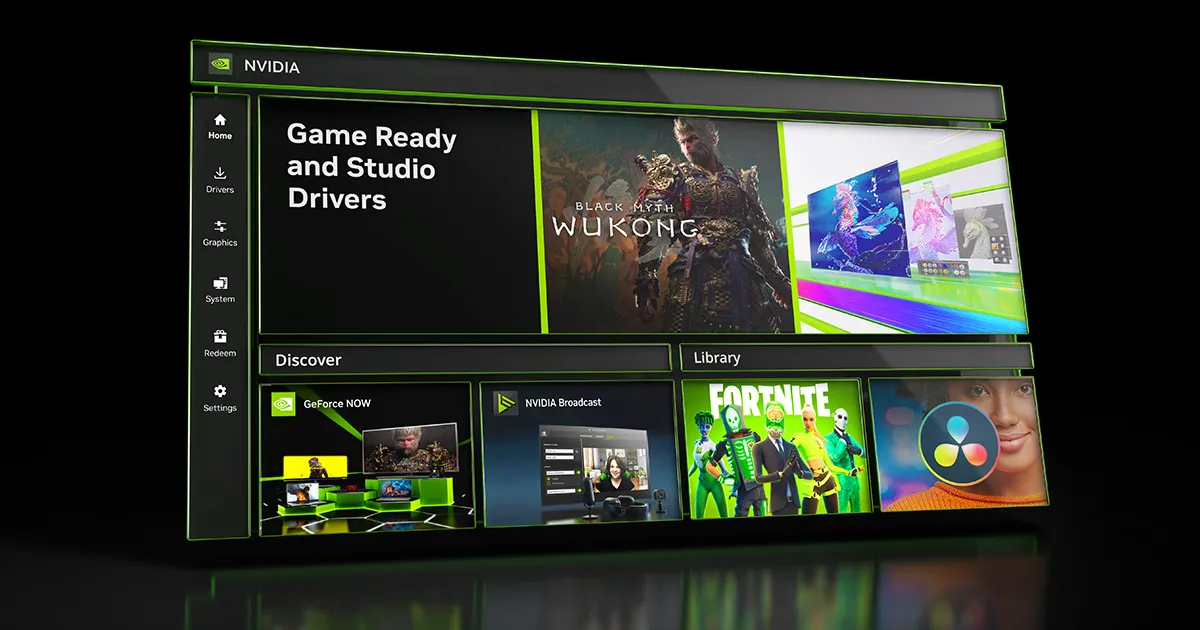
A specific software tool buried inside the newly revamped Nvidia App is changing minds at the checkout counter. Nvidia recently rolled out a feature called DLSS Overrides. It sounds incredibly simple on paper, but in practice, it fundamentally alters how long a graphics card remains useful. Instead of waiting for individual game developers to patch in the newest AI upscaling models, this system-level toggle lets users force the latest DLSS tech into hundreds of supported games directly from the desktop.
What We Know
- System-wide control: DLSS Overrides bypass developer implementation, applying the newest upscaler models universally.
- Transformer integration: The feature leverages Nvidia’s second-generation transformer-based upscaler introduced earlier at CES 2026.
- Developer bottleneck removed: AMD’s software suite currently requires game-by-game integration for its newest FSR iterations.
The hardware battle itself remains fiercely competitive. AMD’s RDNA 4 architecture delivers spectacular value, and early adopters who picked it over the RTX 5070 Ti are seeing fantastic raw frame rates. AMD has not been sitting still on the software front either. Recent driver updates delivered substantial FSR 4 performance boosts that continue to push the 9070 XT’s rendering limits.
Yet the ecosystem approach is dividing PC builders. AMD relies heavily on developers actively choosing to implement its latest FidelityFX Super Resolution tech. When a studio abandons a game, it gets stuck on older, inferior upscaling versions. Nvidia App users simply flip a switch and inject the newest algorithms into games that haven’t been patched in years.
How DLSS Overrides Rewrite GPU Lifespans
This software capability creates a serious competitive moat. We are seeing a direct evolution of a strategy Nvidia started years ago with the original RTX 20-series. Back then, they used dedicated Tensor cores to keep aging hardware relevant through software intervention. Now, they are entirely centralizing that control.
By moving upscaler updates to a centralized application, Nvidia effectively removes the game developer from the optimization loop. You buy the card, and Nvidia’s driver team handles the heavy lifting to keep older titles looking sharp and running fast. AMD’s RX 9070 XT might win the immediate price-to-performance race, but DLSS Overrides offer a compelling form of future-proofing that is incredibly hard to ignore.