
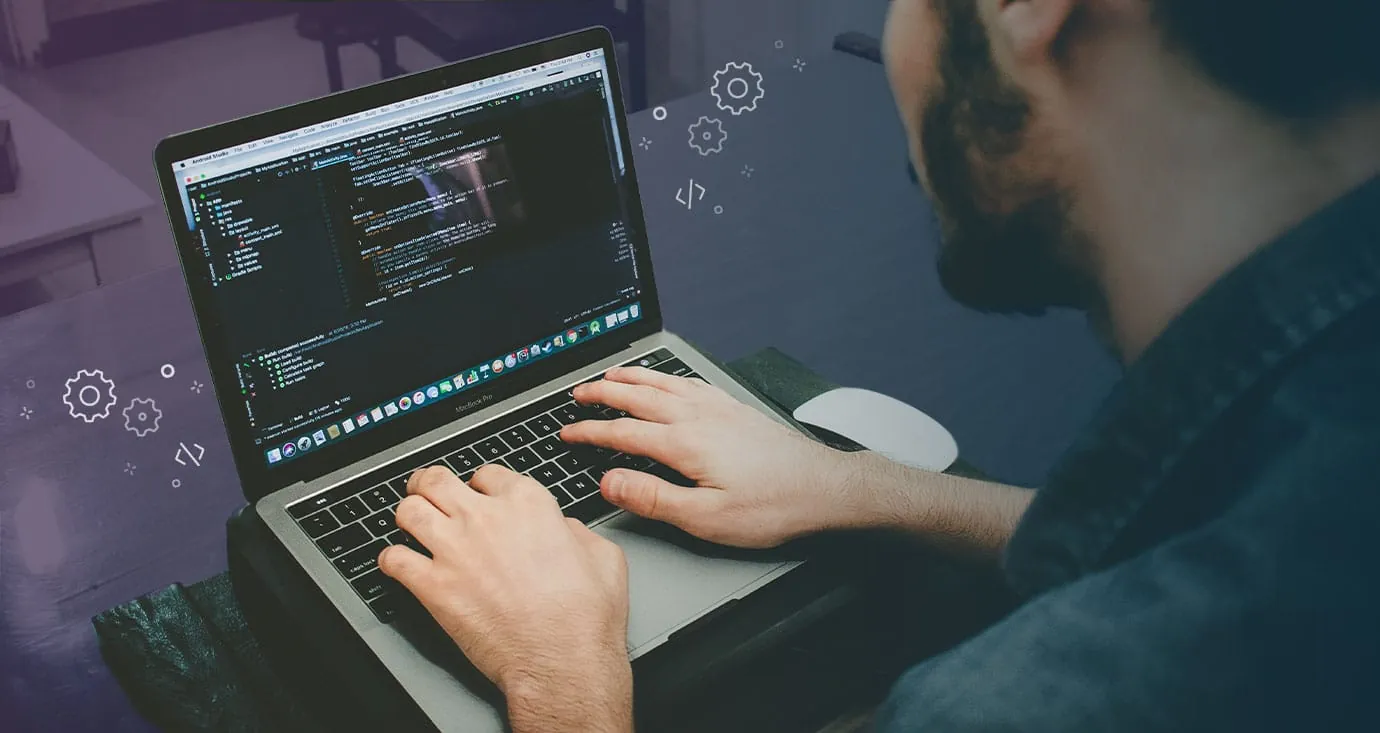
The proliferation of AI coding agents has caused an order-of-magnitude increase in automated code hitting production environments in 2026, triggering a severe bottleneck for enterprise cybersecurity teams. Software engineers are generating boilerplate code, UI skeletons, and database queries faster than human reviewers can check them. This incredible velocity has created a fascinating paradox within the engineering community: while usage of these tools is nearly universal, confidence in their output is dropping.
Industry data from 2026 reveals that 84% of professional developers now actively use or plan to use artificial intelligence to assist their workflow. Yet, despite this high adoption rate, only 29% of developers actually trust the generated output. That figure represents a steep decline from the 40% trust levels recorded just two years ago, highlighting a growing friction between speed and reliability in modern software creation.
Key Details
- 51% of professional developers now use AI coding tools on a daily basis.
- Up to 55.8% of AI-generated code contains vulnerabilities or references non-existent packages.
- Developer trust in AI accuracy has dropped to 29% in 2026.
- Amazon Web Services launched Kiro to enforce “spec-driven” development and reduce hallucination rates.
The enterprise market is currently dominated by tools like GitHub Copilot, Anthropic’s Claude Code, and Cursor, an AI-native fork of Visual Studio Code. Engineers rely heavily on these assistants to handle repetitive tasks and surface documentation. However, the requirement for extreme accuracy in software development means that complex outputs must be evaluated with a “fine-tooth comb,” according to a detailed XDA perspective covering the current engineering climate.
The core issue stems from how these models construct logic. Because they predict text based on probability rather than understanding systemic architecture, they frequently introduce subtle security flaws. A review of recent macro-statistics confirms that a significant portion of generated code fails basic security checks, turning rapid feature development into a serious liability for companies that lack strict oversight.
Newer entrants are attempting to solve this trust deficit by changing how the AI interacts with the developer. AWS Kiro, for example, demands design documents before generating any functional code. This spec-driven approach attempts to anchor the AI to strict parameters, minimizing its ability to guess or hallucinate logic structures.
Why Enterprise Security Teams Are Rebuilding the CI/CD Pipeline
The sheer volume of code generated by AI has fundamentally broken the traditional manual review process. A human engineer simply cannot read and verify hundreds of automated commits at the speed Cursor or Claude Code can produce them. This velocity mismatch has forced enterprise security teams to intervene by deploying new ASPM audit controls across their development pipelines.
Application Security Posture Management is now a strict requirement for organizations integrating AI. Security departments are writing comprehensive acceptable use policies and constructing accountability matrixes to track exactly which lines of code were generated by a machine versus a human. The focus has shifted entirely from blocking AI tools to building automated defense systems capable of scanning AI output before it compromises a live production environment.