
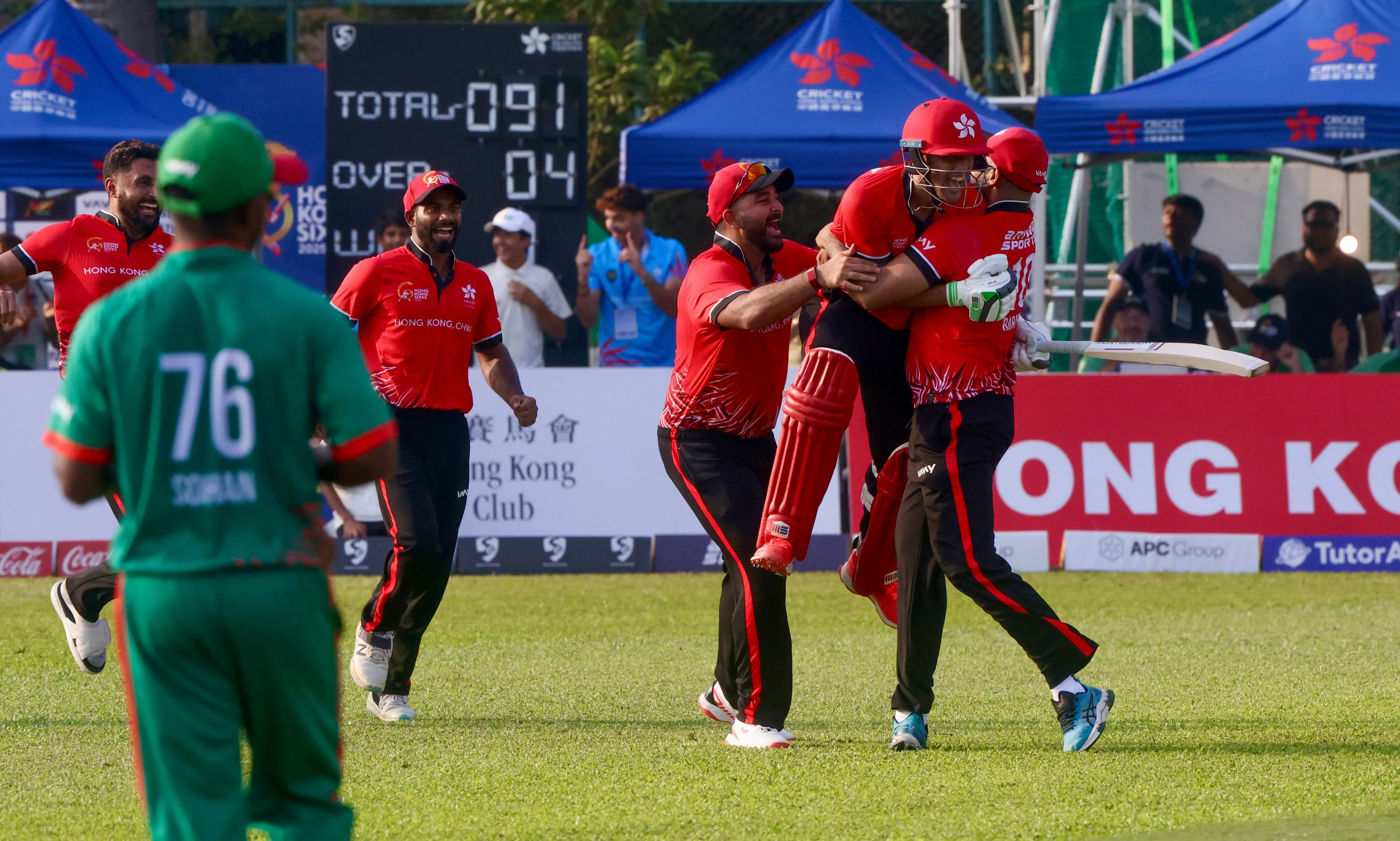
Six-a-side cricket tournament rules split two teams of six players into 45-minute matches lasting five or six overs per innings. Every fielder except the wicketkeeper must bowl, wides and no-balls cost two penalty runs instead of one, and batters must retire not out once they reach a set score of 31 or 50 runs. Unlike 11-a-side cricket, an innings doesn’t end when five wickets fall; the last surviving batter keeps batting with the fifth dismissed batter acting as a permanent runner until the sixth wicket falls.
How many overs and bowlers do six-a-side cricket rules allow?
Each team puts six players on the field: five outfielders and one designated wicketkeeper. Before the coin toss, the captain nominates the wicketkeeper, who must wear gloves throughout the innings and isn’t allowed to bowl. Because five fielders cover the entire ground where nine would normally stand in 11-a-side cricket, gaps in the outfield are huge and boundaries come quickly.
How the bowling is shared depends on whether the competition uses a five-over or six-over rulebook. Under classic five-over rules, each innings consists of five six-ball overs, and every fielder other than the wicketkeeper must bowl exactly one over, according to Wisden’s tournament rules guide (2024). In the historic five-over format of the Hong Kong Cricket Sixes, preliminary games used six-ball overs while the Cup final expanded to eight balls per over, as noted by The Times of India (2024).
Under the updated six-over playing conditions organized by Cricket Hong Kong and sanctioned by the International Cricket Council (ICC) as of 2026, each batting side faces a maximum of six six-ball overs, according to Cricket Winner’s 2026 breakdown. With five eligible bowlers for six overs, one fielder bowls two overs while the other four fielders bowl one over each.
To keep games inside the 45-minute match window, umpires enforce strict time penalties. When a wicket falls, the incoming batter must cross paths with the outgoing batter on the field of play; failing to cross before the outgoing player leaves the boundary costs the batting team a four-run penalty, according to Sportstralia’s format analysis (2026).
When do batters have to retire in six-a-side cricket?
Two dominant batters could easily bat through a five- or six-over innings without getting out, so six-a-side cricket enforces compulsory retirement. Once a batter reaches the tournament’s run ceiling, they must leave the crease immediately as “retired not out” to let the next teammate bat.
The retirement ceiling depends on the specific tournament rulebook:
- Classic five-over international and club Sixes tournaments require a batter to retire upon reaching 31 runs (Wisden, 2024; Shanghai Cricket Club, 2016).
- Recreational six-over competitions, such as Kansas State University’s Super Six tournament (2024), set the compulsory retirement threshold at 36 runs.
- Modern ICC-sanctioned six-over Hong Kong Sixes tournaments require a batter to retire once they reach 50 runs (Cricket Winner, 2026).
A batter counts every run scored off the shot that takes them past the threshold. For example, if a batter sits on 48 runs in a 50-run tournament and hits a six, all six runs count toward the team total and the batter retires on 54 not out (Sportstralia, 2026).
Many casual fans mistake compulsory retirement for a dismissal. A retired batter isn’t out, and their departure doesn’t add to the bowling team’s wicket column. If all remaining batters in the lineup are either dismissed or forced to retire before the overs run out, retired batters can return to the crease in the exact order they originally retired (Wisden, 2024).
How does the last batter standing rule work?
In standard 11-player cricket, an innings ends as soon as 10 wickets fall because two batters must occupy the crease at all times. Six-a-side cricket removes that restriction: the bowling team must take all six wickets to bowl out the opposition (Wisden, 2024).
When the fifth wicket falls and only one undefeated batter remains, the game switches to the last-man-standing rule. The fifth batter to be dismissed stays on the pitch at the non-striker’s end to act as a permanent runner, while the sixth and final undefeated batter takes the striker’s end.
The lone surviving batter must face every remaining delivery. Even if the striker hits an odd number of runs (such as one, three, or five), they run to the non-striker’s crease to complete the score and then walk straight back to the striker’s end to face the next ball, according to the Shanghai Cricket Club Sixes rulebook (2016). The innings ends before the overs expire only if the sixth wicket falls, which happens if the lone batter is dismissed or if either the batter or the non-striking runner is run out or called for obstructing the field.
How are wides, no-balls and tournament brackets scored?
Because bowlers only deliver one or two overs each, errant bowling carries double the normal punishment. Every wide or no-ball awards two penalty runs to the batting team instead of the single run awarded in Test, One-Day International, or Twenty20 cricket (Wisden, 2024).
A wide is declared a dead ball as soon as it is called, awarding two extras with no additional runs taken unless the wicketkeeper misses the ball cleanly and the batters run byes. A no-ball remains live, meaning any runs hit off the bat, or byes and leg-byes run by the batters, are added on top of the two-run no-ball penalty (Shanghai Cricket Club, 2016; Sportstralia, 2026). Under standard club Sixes playing conditions, wides and no-balls aren’t re-bowled during the early overs to keep matches on schedule, except on the final three deliveries of an innings, which must be legal balls (Shanghai Cricket Club, 2016).
Because individual games finish in 45 minutes, organizers can fit an entire multi-nation tournament into a single three-day weekend. In the 2025 Hong Kong Sixes organized by Cricket Hong Kong and sanctioned by the ICC (November 7–9, 2025), 12 national teams played 30 matches at Mission Road Ground, with Pakistan winning its sixth title and Nepal’s Sundeep Jora leading all scorers with 176 runs. The 12 teams split into four pools of three for round-robin play: the top two teams in each pool enter the Cup quarter-finals, losing Cup quarter-finalists drop into the Plate bracket, and the third-placed pool teams contest the Bowl bracket so every squad plays through the final day (Sportstralia, 2026).
Frequently asked questions
How are tied matches decided in six-a-side cricket?
Under standard club Sixes rulebooks, a tied score at the end of regulation overs goes to the team that lost fewer wickets during its innings. If both teams lost the same number of wickets, the winner is the team that scored more runs directly off the bat, excluding extras (Shanghai Cricket Club, 2016).
Can a retired batter return if four wickets have fallen?
Yes. A retired batter returns as soon as no unretired batters remain in the lineup. The last-batter-standing runner rule only triggers when five batters have actually been dismissed out, not when batters retire not out at the 31-run or 50-run threshold (Wisden, 2024).