
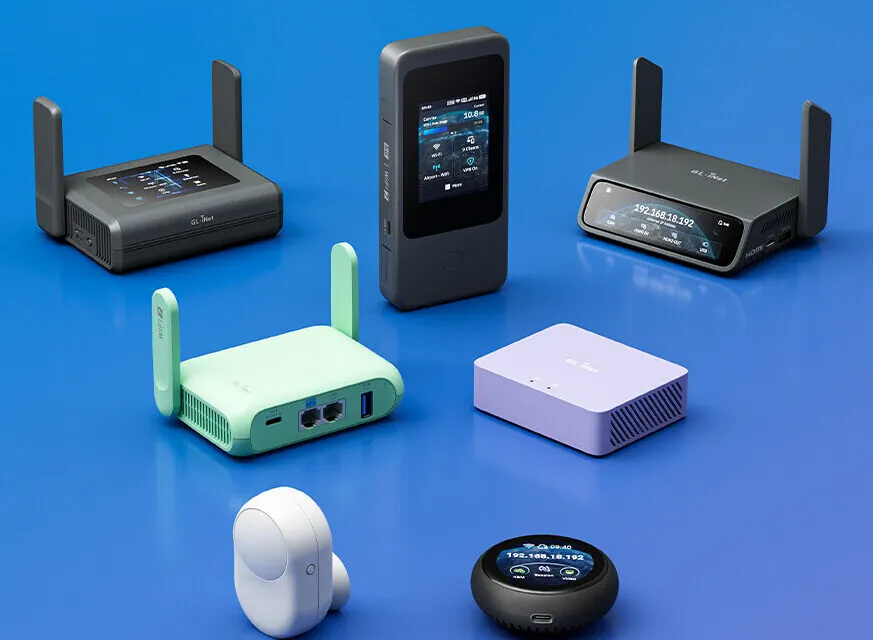
Kazim Alvi bought a portable internet bridge for his flights. He expected the device to sit in a drawer later. But the tech enthusiast kept it plugged in permanently instead. I thought my travel router would collect dust, but I use it for these 3 things at home—that exact recent guide explains his unusual setup. The hardware just worked.
Modern portable devices pack serious processing power. Inside these tiny boxes, brands like TP-Link and GL.iNet routinely include USB ports alongside OpenWrt support. Buyers often waste hundreds of dollars on massive mesh systems. You might just need the cheap hardware you already own to get the signal strength you’re looking for.
Building a Localized Storage Drive
Alvi activated the Server Message Block (SMB) protocol first. To create a Network-Attached Storage system, he attached a spare flash drive directly to the router. It works flawlessly. The setup handles direct file sharing between two Windows laptops, a MacBook, and an iPhone. He explicitly advises against enabling Internet FTP. Because localized configurations block outside threats, the internal network stays secure. Anyone can grasp the localized storage basics with a few quick clicks.
Eradicating Dead Zones and IoT Lag
It extends range. After noticing a patchy 5GHz signal, Alvi placed the unit halfway between his main router and the dead zone. Phones now connect to the travel bridge rather than struggle. Smart home accessories overwhelm standard network channels constantly. So he migrated his security cameras and budget plugs to the secondary router.
Hardware isolation fixes network instability. Cybersecurity experts recommend physical separation for budget plugs to establish a true airgap. Users can find the technical details in broader tutorials. Those guides cover VPN functions and safety protocols. A software-based guest network routinely fails to build a hard barrier.
Physical Airgaps Outperform Virtual Guest Networks
Traditional mesh systems often cost upwards of $300. But buyers can deploy cheap travel hardware to fix local dead zones instead. Standard primary routers frequently leak data across virtual LANs. A physical access point won’t let a compromised smart bulb reach a work laptop. It isolates the threat completely.