
You probably remember Dungeons & Dragons sessions as a chaotic mess of graph paper, pencils, and overpriced plastic minis. That era is ending fast. For decades, players relied on 2D maps to visualize combat. Now, affordable 3D printing is physically rebuilding the tabletop experience from the ground up.
Players are printing fully modular environments. We’re talking functional trapdoors, spiral staircases, and barricades that characters actually interact with. It changes the entire physical dynamic of the game. A flat grid suddenly turns into a vertical tactical diorama.
It usually starts with a simple test print. Chandraveer Mathur fired up a 3D printer back in February to make basic home lab accessories. Five months later, that same machine became the undisputed centerpiece of a D&D campaign, spitting out custom character models, spell trackers, and dice towers.
The math makes it impossible to ignore.
Custom-designed heroes usually cost a fortune from premium gaming stores. But according to a first-hand account by Mathur, printing custom 10-15 gram character models drops that cost down to just $2 to $3 for the raw filament, spot putty, and paint. Why spend $25 on a generic ranger when you can print your exact character for pocket change? You simply design it on a platform like TitanCraft and hit print.
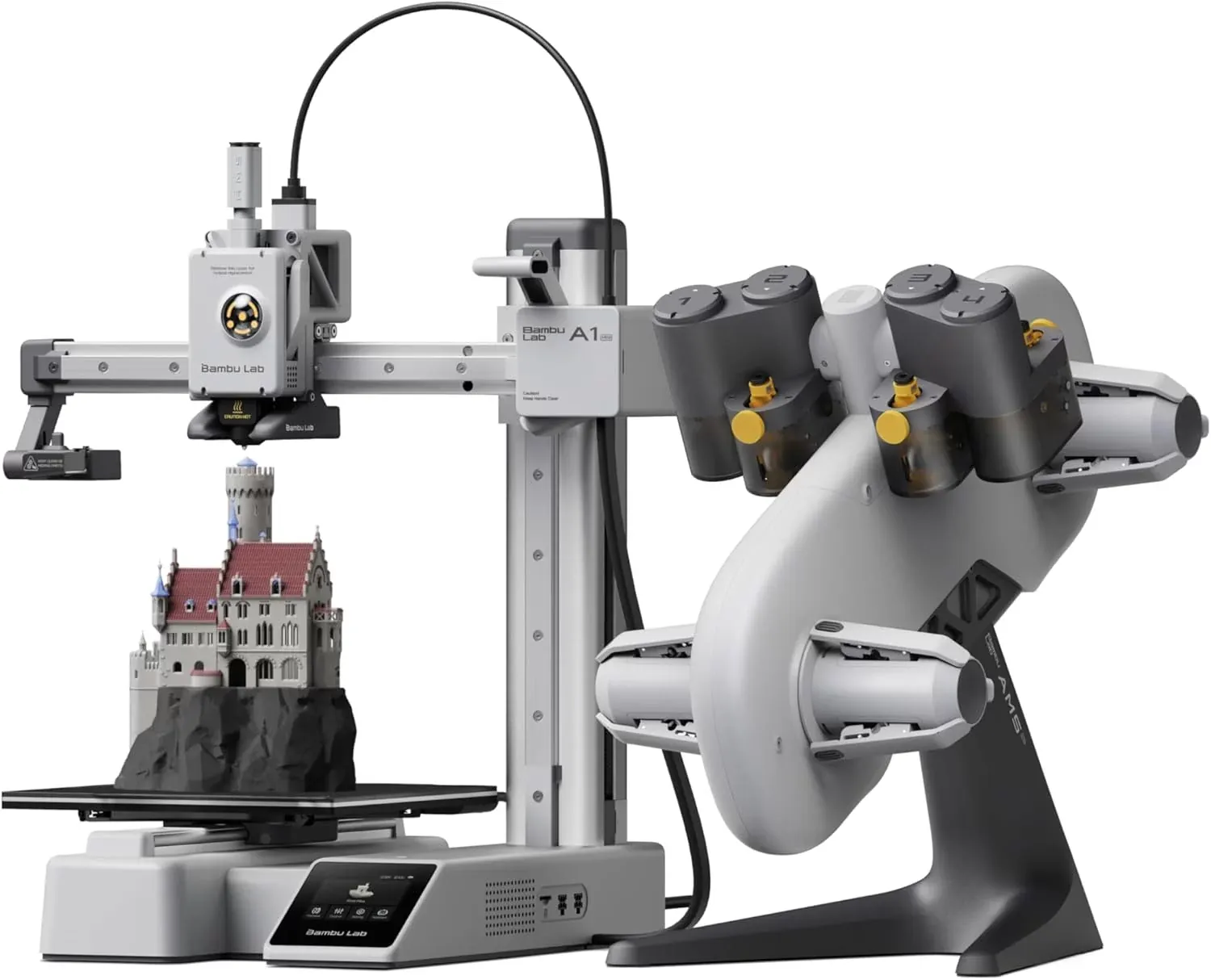
The hardware barrier is gone. Entry-level FDM machines like the Bambu A1 are driving this broader wargaming and tabletop trend, allowing Dungeon Masters to build elaborate sets for pennies. And it isn’t just about making things look cool. As independent creators have shown, functional terrain pieces completely alter how players strategize during combat encounters.
Bringing this hardware to your table usually follows a predictable sequence:
- The Mini Replacement: Players stop buying mass-produced box sets and start printing specific, supportless STL files from creators like Brite Minis.
- Functional Tracking: The printer produces physical spell slot trackers and HP dials, getting players off their phones.
- Interactive Terrain: DMs print modular dungeon walls and vertical obstacles that characters physically climb or hide behind.
Why STL Files Are Replacing The Physical Box Set
This hardware shift is rewiring the tabletop economy. For 50 years, the business model relied heavily on selling expensive, physical box sets and blind-bag miniatures. That distribution pipeline is breaking down.
Independent creators are bypassing retail stores entirely. They sell digital STL files directly to players on platforms like Kickstarter and Patreon. Players get infinitely reproducible gaming pieces. Sculptors get direct funding. The legacy publishers clinging to cardboard tiles are the only ones left behind.