
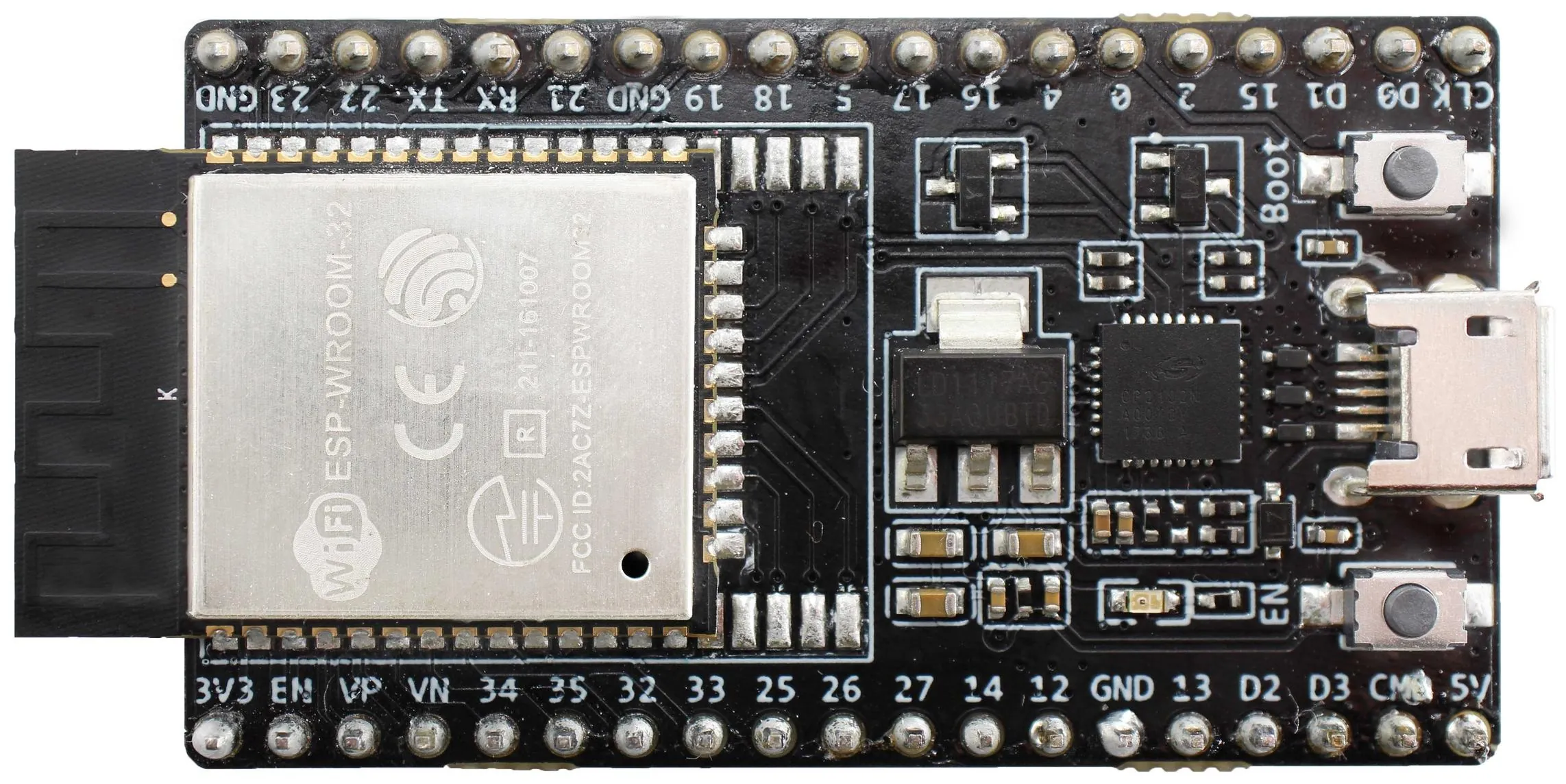
Building a custom smart home does not require expensive proprietary hubs or a computer science degree. The ESP32 microcontroller costs around $5 and packs built-in Wi-Fi and Bluetooth. That tiny price tag makes it the perfect brain for local-first automations. You don’t even need to know how to code to get started.
Modern open-source tools like ESPHome allow users to flash these boards using simple YAML templates. This bypasses the need for complex C++ programming entirely. Anyone with a free afternoon can wire up basic sensors, feed the data directly into a Home Assistant dashboard, and ditch cloud-dependent ecosystems for good. A recent hardware guide outlines exactly how to tackle these quick weekend builds.
Air Quality Monitoring System
Breathing clean air is a priority, but commercial air purifiers with built-in sensors get expensive quickly. You can build a highly accurate local monitor for roughly $30. This setup pairs a standard ESP32 board with a PMS7003 digital particle concentration sensor. It uses laser scattering to measure PM1.0, PM2.5, and PM10 levels in real time.
Smart Plant Monitoring System
Houseplants die when people forget to water them. A soil moisture detection sensor fixes that problem permanently. By linking the sensor to the microcontroller, you create an automatic detection loop. The system flags dry soil and can even trigger a connected water pump to keep the plant alive while you are on vacation.
PIR Motion Sensor
Automating lights requires knowing when someone enters a room. The newer ESP32-C6 variant excels at this when paired with a basic PIR motion sensor. This provides incredibly cheap, localized presence detection. You avoid the lag of cloud-based smart cameras and keep your indoor movement data entirely private.
Surveillance Camera
Sometimes you actually need a visual feed. You can assemble a custom surveillance camera for basic intruder detection and local property monitoring. This bypasses the monthly subscription fees pushed by major security brands. The video stream stays on your local network.
E-ink Touch Display
Smart home users usually want a physical interface to control their gear. An E-ink touch display connected to an ESP32 provides a highly customizable, low-power personal dashboard. It pulls custom metrics directly from Home Assistant. The E-ink screen barely sips battery and remains perfectly readable in direct sunlight.
ESPHome and Local-First Hardware Threaten Walled Gardens
The consumer smart home market relies heavily on subscription models and forced cloud connectivity. If a manufacturer’s server goes offline, thousands of expensive devices become plastic bricks. The ESP32 disrupts that entirely. By relying on local-first firmware, makers keep their data inside their own houses.
The sheer affordability of these components strips the premium markup from home automation. It shifts power away from tech giants and back to the user. Hardware costs are dropping while deployment software gets easier to use. That combination makes DIY open-source smart homes increasingly viable for average consumers.