
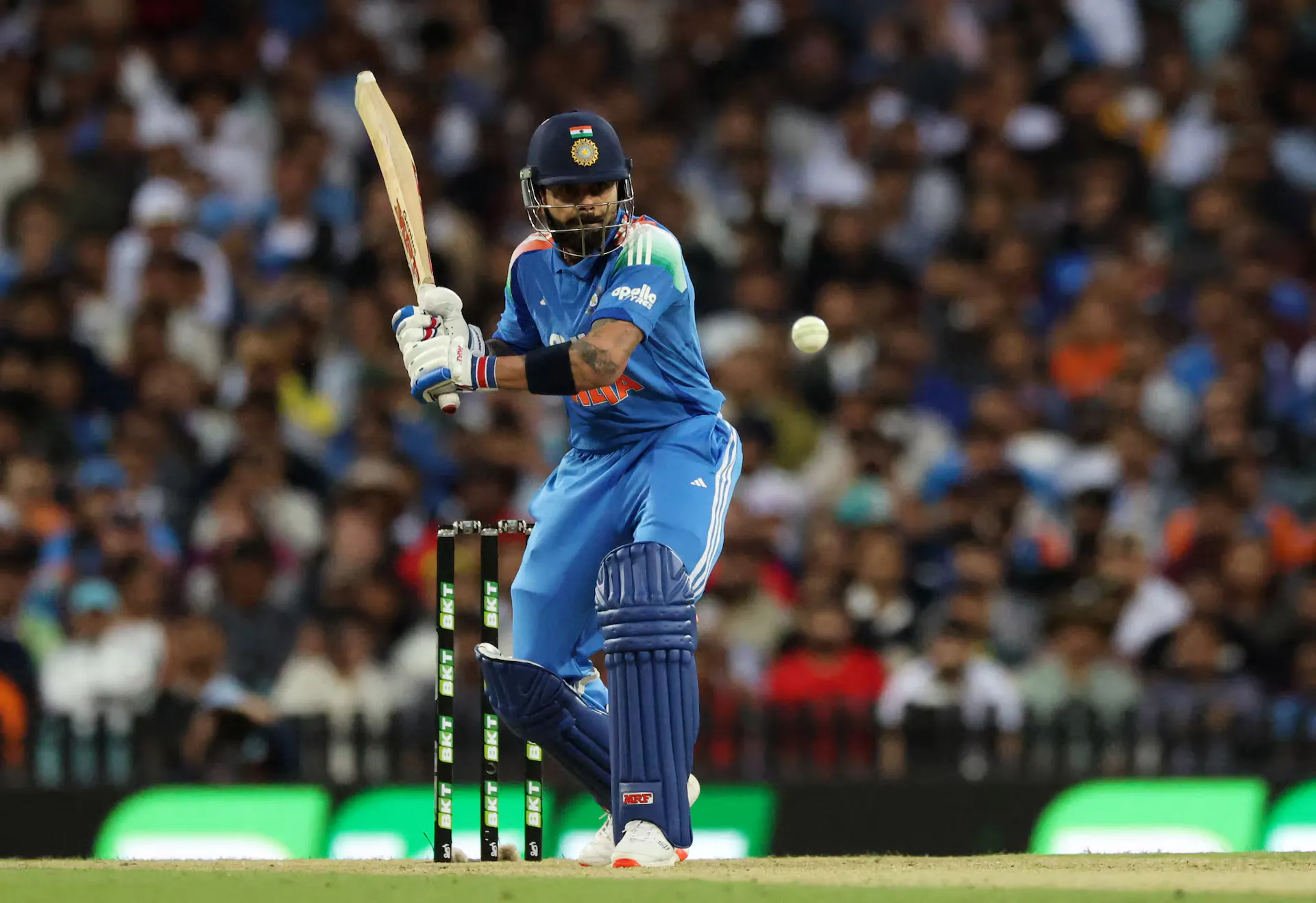
A cricket partnership is the combined scoring effort of two batters who occupy the crease simultaneously. Every run they accumulate during this period, including extras like wides and no-balls, adds to their shared total. In a run chase, the success of the batting team relies entirely on how well these pairs construct their innings to reach the target score. Managing the required run rate demands constant communication, physical stamina, and tactical awareness from both players on the field.
How Partnership Mechanics Work
Cricket administrators categorize partnerships sequentially based on the number of wickets that have fallen. The opening pair establishes the first-wicket partnership. When one batter gets out, the next player steps onto the field, creating the second-wicket partnership. This numerical sequence continues until the team reaches their target, runs out of available batters, or completes their allotted overs.
The stand officially ends the moment a dismissal occurs, a batter retires, or the match concludes. Understanding this structure is straightforward, according to basic explanations of how officials tally the game by wickets. The entire framework of an innings rests upon the collaborative effort of two batters working in tandem to wear down the opposing bowlers.
Why Teams Prioritize Strike Rotation and Shielding
Batters must actively strategize to navigate a hostile bowling attack. A central tactic is strike rotation. Players hit singles into gaps in the field to ensure both batters face a balanced number of deliveries. This constant movement frustrates the fielding team, forces the bowler to constantly adjust their line and length, and prevents a single batter from getting bogged down against a difficult spell.
Managing the end of an over requires precise timing. To maintain momentum, batters frequently attempt to take a single or three runs on the final delivery of the six-ball set. This maneuver allows the batter who faced the last ball to retain the strike for the beginning of the next over. Teams use this heavily when one player has their eye in and is striking the ball cleanly.
When a recognized batter pairs with a lower-order player, known as a tailender, the dynamic shifts entirely. The primary batter will deliberately take singles late in the over to face the majority of the deliveries. This shields their weaker partner from facing fast, dangerous bowling. Analysts frequently highlight how Raghuvanshi and Green built their stand as a prime example of reading the field and adjusting run responsibilities based on who holds the advantage.
The Mathematics of Momentum in Modern Chases
Modern cricket teams rely heavily on analytics to guide them through high-pressure run chases. Coaches break down partnerships into quantifiable metrics to evaluate performance. They calculate the partnership percentage by dividing an individual batter’s runs by the total partnership runs, then multiplying the result by 100. This mathematical formula helps analysts determine which players excel at anchoring an innings versus aggressively attacking the boundary.
Pacing an innings requires managing stress on the batting side. Academic researchers tracking over 6,500 Twenty20 matches emphasize the importance of managing the “Pressure Index” during a run chase. This ball-by-ball metric fluctuates based on the required run rate and the total number of wickets a team has lost. A comprehensive statistical analysis demonstrates that successful chasing teams strategize to keep this index stable, ideally between 0.5 and 3.5, by minimizing early wicket losses.
Setting the tone early heavily influences the final outcome. Strong opening stands give the middle-order batters the freedom to play aggressively without the fear of a batting collapse. Evaluating successful run chase outcomes consistently shows that robust early partnerships dictate the momentum of the entire game.
Famous Examples from Major Games
Extended partnerships exact an immense physical and psychological toll on the defending team. They force the fielding captain to make defensive field placements, spreading fielders to the boundary to stop runs rather than attacking to take wickets.
The legendary 376-run stand between India’s V.V.S. Laxman and Rahul Dravid against Australia in Kolkata in 2001 illustrates this perfectly. While not a traditional fourth-innings chase, their full-day occupation of the crease forced the Australians to bowl continuously in extreme heat. The partnership drained the Australian side of their energy and focus. When Australia eventually went in to bat, the lingering physical exhaustion contributed to a dramatic batting collapse, costing them the match.
Common Misconceptions
Many casual fans assume that a partnership’s value is derived entirely from boundaries. In reality, dot balls build immense pressure. A partnership that scores 40 runs primarily through singles often demoralizes a fielding side more effectively than a brief stand reliant on high-risk sixes, as the constant rotation provides no opportunities for the bowlers to settle.
Another frequent misunderstanding is the source of the runs. Fans often assume a partnership total only includes runs struck directly off the bat. The official tally encompasses every single run accumulated while the two players occupy the crease, meaning wides, no-balls, byes, and leg-byes all bolster the overall partnership score and the team’s pursuit of the target.
Frequently Asked Questions
What exactly is a partnership in cricket?
A partnership tracks the collaborative effort of two batters at the crease simultaneously. The metric records all runs scored by the pair, including extras, and continues until one batter is dismissed, retires, or the innings ends.
How do you calculate a batsman’s partnership percentage?
You find this percentage by taking the individual runs scored by a specific batter, dividing it by the total runs scored in that specific partnership, and multiplying the result by 100.
What is the Pressure Index during a run chase?
The Pressure Index is an analytical metric used by statisticians to quantify the stress on a chasing team on a ball-by-ball basis. It rises and falls depending on the current required run rate and the total number of wickets the batting team has lost.