
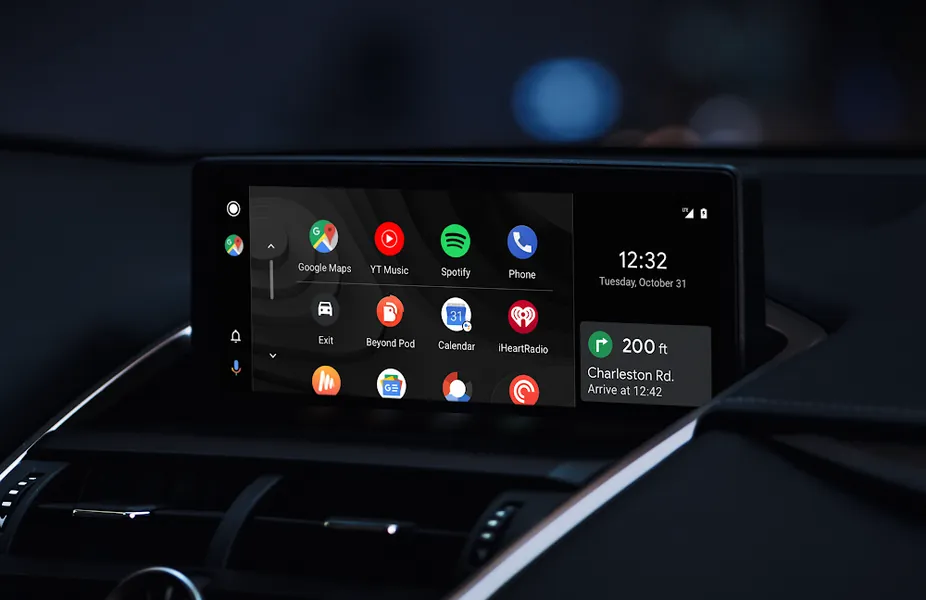
Factory car infotainment software ages terribly. By the time you drive a new vehicle off the lot, the navigation maps often look five years out of date, and the touch response is already sluggish. That lag pushes most drivers to abandon their dashboard software entirely.
In a recent three-year evaluation, an XDA-Developers user detailed bypassing their vehicle’s stock head unit completely. They opted for a permanent Android Auto setup powered by a Google Pixel 7. The result? A vastly superior, distraction-free driving experience. They haven’t looked back once at the clunky native interface.
This reliance on phone projection stems from a handshake agreement established around 2015. Buyers demanded their cars support systems like Android Auto and Apple CarPlay so they could offload processing and map updates to their phones. Google heavily incentivized this integration, keeping it largely free for manufacturers. Android Auto quickly became the dominant in-car standard.
But that era of cooperation is rapidly ending. The automotive industry is undergoing massive fragmentation this year. Legacy brands are reversing course, a shift made obvious when General Motors actively removes projection support from its new electric vehicle lineups.
Automakers Reclaim the Dashboard for Subscriptions and Data
The industry is executing a hard pivot away from standard Android Auto toward Google Built-in and completely proprietary ecosystems. The shift isn’t about improving the user experience. It comes down to revenue.
Companies like Rivian and Tesla strictly boycotted Android Auto from their inception to maintain absolute control over the dashboard experience. Now, legacy automakers are following that playbook. Moving to native software allows car manufacturers to directly integrate EV charging metrics with navigation systems.
More importantly, killing off phone projection systems allows automakers to hoard exclusive access to valuable location and telemetry data. Instead of letting Google or Apple handle the interface for free, automakers want to lock drivers into native software subscriptions, ensuring the screen in your dashboard becomes a permanent source of recurring revenue.