
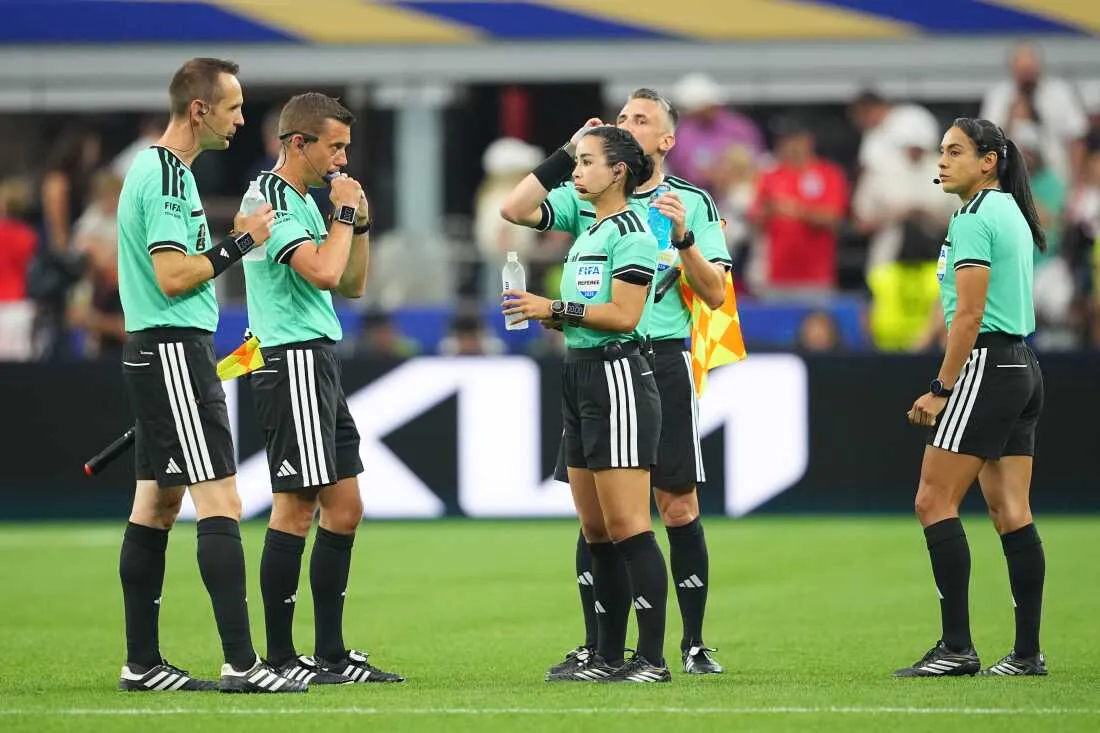
The governing body of global football is buckling under pressure. FIFA officially admitted that the controversial mandatory hydration breaks used throughout the World Cup might be permanently discontinued or heavily overhauled. Mid-day matches in sweltering North American host cities exposed severe flaws in the protocol, drawing intense criticism from traditionalists and television networks over disrupted match momentum.
The expanded 48-team tournament structure forced an unprecedented number of fixtures into peak afternoon heatwaves across the United States, Mexico, and Canada. Instead of just protecting athletes, the mandated pauses infuriated broadcasters trying to hit exact advertising slots and managers complaining about ruined tactical flow. Now, FIFA’s medical and organizing committees are actively analyzing player biometrics from the tournament to decide the exact future of the rule. They released an official FIFA statement regarding the potential cancellation or modification of tournament hydration breaks.
Key Details
- FIFPRO and national team medical staffs are fiercely opposing any rollback of the heat mitigation protocols.
- The cooling policy was originally established ahead of the 2014 tournament in Brazil for games where the Wet Bulb Globe Temperature exceeds 32°C (89.6°F).
- Any decision reached will directly trigger a mandatory rewrite of the official FIFA Medical Regulations for future competitions.
The tension between player welfare and commercial interests hasn’t been this strained since the 2014 round-of-16 clash between the Netherlands and Mexico in Fortaleza. That specific match hosted the very first official cooling break in tournament history. Today, player unions argue these three-minute pauses in the 30th and 75th minutes are non-negotiable health requirements.
But television rightsholders wield significant influence. The unscheduled extensions to broadcasting windows caused logistical headaches worldwide. FIFA must now balance the biological limits of the athletes against the rigid commercial framework that funds the sport. The committees are reviewing the biometric data collected over the last month before issuing a final ruling.