
For years, playing a hard-locked legacy title on a high-end gaming rig felt like driving a sports car in a school zone. You had the hardware horsepower, but the software engine refused to let you use it. That specific bottleneck just vanished.
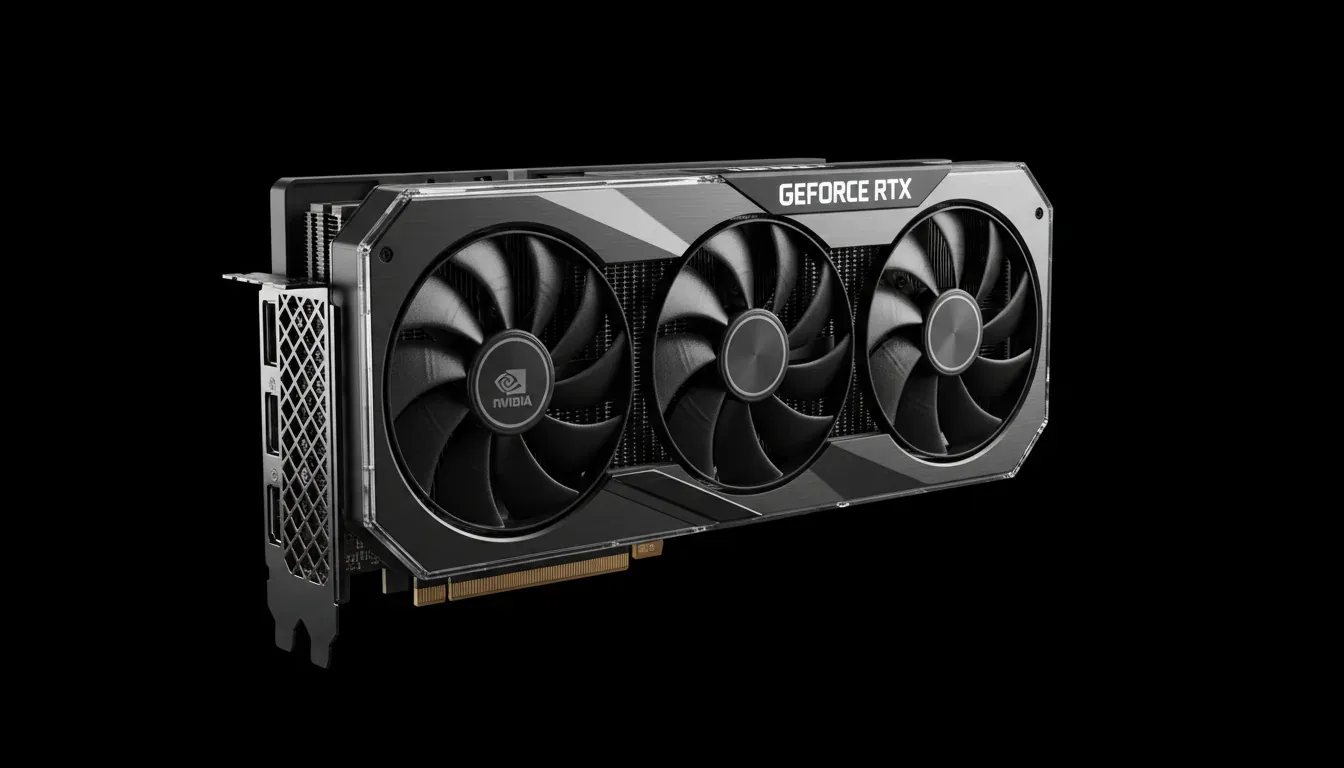
With the 2026 rollout of DLSS 4.5 inside the unified Nvidia App, PC gamers finally gained a native tool to bypass arbitrary framerate caps. The feature, officially dubbed Smooth Motion, forces driver-based frame generation across entire computer libraries. If you own a GeForce RTX 40 or 50 Series GPU, you no longer have to wait for an abandoned developer studio to patch their old code to enjoy high refresh rates.
Real-World Testing on Legacy Engines
When engine-level DLSS Frame Generation first arrived, the assumption was that driver-level interpolation would quickly become obsolete. Why force frames globally when the game engine can feed exact motion vectors directly to the AI?
That assumption missed the reality of back catalogs. According to a detailed editorial breakdown by Samarveer Singh at XDA Developers, Smooth Motion completely transforms older titles that lack modern developer support. By injecting an inferred frame between two rendered frames directly at the driver level, the software easily steps around hardcoded engine limits.
Singh tested the feature on notoriously frame-locked releases like 2018’s The Crew 2, alongside Wolfenstein: The New Order and Black Myth: Wukong. The results were immediate. The Crew 2 jumped to a perceived 120 frames per second, delivering a fluidity the original developers never programmed.
The End of Unofficial Mods
Before this update, unlocking framerates required digging through forums for unofficial community patches. Those fan-made mods often broke in-game physics, sped up animations, or introduced severe visual artifacting. Smooth Motion sidesteps those physics breaks entirely because the core game engine still believes it is running at its locked cap.
The updated software handles the visual interpolation independently. This specific feature arrived as part of the DLSS 4.5 rollout, which integrated the tools directly into Nvidia’s central control panel rather than requiring users to track down separate downloads.
How Driver-Level Control Alters PC Gaming
This update shifts fundamental rendering control away from game studios and directly into the hands of the player. By establishing official global overrides, Nvidia is using eight years of neural network research to bring frame interpolation to unsupported software.
It also answers a major competitive hardware gap. AMD previously introduced a similar concept with their driver-level Fluid Motion Frames (AFMF). Now, RTX owners have a hardware-accelerated counterpart that ensures their older libraries keep pace with their modern monitor refresh rates, regardless of when the game was published.
The Verdict
Smooth Motion is a necessary rescue operation for abandoned PC games. While native engine-level Frame Generation will always provide the cleanest image quality, the ability to brute-force a 60 FPS locked game into a smooth 120 FPS experience without downloading sketchy mods makes this a mandatory toggle for RTX 40 and 50 Series owners diving into their backlogs.