
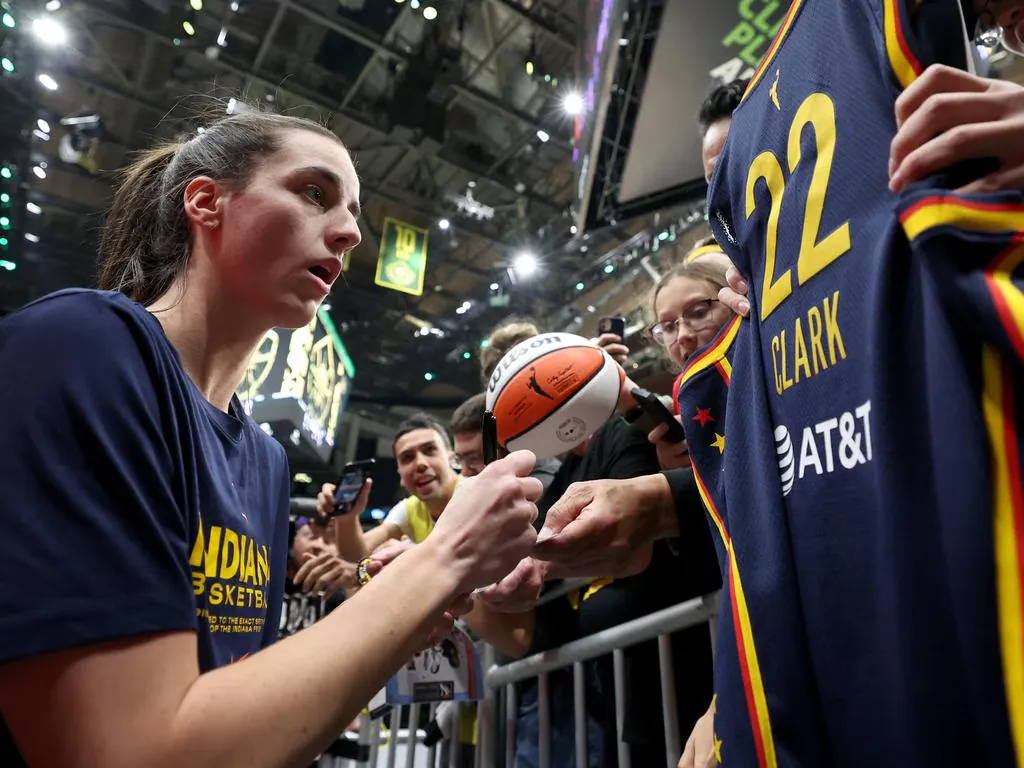
A sports brand ambassador is an athlete who promotes a corporate entity’s products by using their public persona, fan loyalty, and athletic credibility. They are the primary human connection between a company and the sports community. They transfer their personal reputation of excellence directly to the endorsed product. Sure, you see the logos on the jerseys. But the actual job goes much deeper than a simple patch on a uniform.
Brands do not just want passive billboards anymore. They want active participants. An ambassador initiates genuine conversations with fans. They guide attendees through interactive product activations. The result? The brand gets a direct line to a highly targeted, emotionally invested audience.
How Sports Ambassadorship Works
The mechanics of sports marketing shifted entirely when social media matured. A successful partnership requires a specific set of active duties. The core responsibilities of a sports brand ambassador include sales promotion, content creation, and active campaign management. Here is exactly how athletes execute these deals today.
- Live Event Activation: At crowded, competitive sporting events, ambassadors cut through the visual noise. Instead of waiting for fans to approach a static booth, they walk the floor. A guide on event staffing shows that ambassadors proactively initiate conversations, humanize the brand experience, and qualify consumer leads in real time.
- Digital Content Strategy: Physical appearances are just the start. Modern ambassadors produce user-generated content (UGC). They manage social media campaigns. They push their followers directly into specific e-commerce funnels using trackable links and promo codes.
- Value Alignment: Athletes must continually align their own personal values with the brand’s messaging. If an athlete preaches healthy living but signs with a fast-food chain, the audience notices the disconnect immediately. Trust disappears.
Brands measure the return on investment (ROI) through very specific metrics. They run brand sentiment analysis before and after campaigns. They monitor website traffic spikes during an athlete’s physical appearances. They look at direct referral sales generated by the athlete’s digital content. It all comes down to trackable data.
Famous Examples from Major Campaigns
The most effective partnerships happen when an athlete genuinely uses the product or shares the brand’s core philosophy. When it works, the results speak for themselves.
HoverAir’s European Expansion
To build brand awareness in the European tech market, drone company HoverAir partnered with the agency Sport Endorse. They activated 14 different athletes across nine distinct sports. They did not just ask the athletes to hold the drone in a studio. The athletes integrated the drone into their actual, real-world training routines.
According to campaign performance metrics, this targeted approach generated hundreds of thousands of impressions and tens of thousands of direct engagements. It successfully reached a highly targeted, tech-savvy athletic audience without feeling like a forced commercial break.
Serena Williams and Nike
Nike utilized Serena Williams to challenge the stigma of women showing emotion in competitive sports. The “Dream Crazier” campaign was a masterclass in emotional marketing. A deep dive into major sports marketing reveals how Nike took Williams’ personal struggles within the tennis world and turned them into a rallying cry. She encouraged female athletes to dream big. That relatability translated directly into intense brand loyalty.
Megan Rapinoe and Purpose-Driven Marketing
Brand ambassadorships increasingly rely on an athlete’s off-field stances. Soccer star Megan Rapinoe built a reputation for vocal activism regarding gender equality and LGBTQ+ rights. That strong public stance allowed her to successfully align with socially conscious brands like Subway and Nike. Her social values deepened the brands’ market penetration among younger, socially aware demographics.
Common Misconceptions and Industry Debates
The industry looks incredibly glamorous from the outside. The reality behind the scenes is much more complicated. Athletes face intense pressure, and systemic inequalities continue to dictate who gets the biggest checks.
The “Vicious Cycle” of Gender Inequality
A 2018 study by the University of Greenwich highlighted a systemic issue in sports ambassadorships. Sportswomen face significantly fewer commercial opportunities than their male counterparts. The mechanics are frustratingly simple. Men’s sports receive more media coverage. Because they are on television more, male athletes are perceived as more popular and commercially viable.
Brands then invest heavily in the men. That corporate investment fuels even more media exposure for men. This creates a vicious cycle that locks women out of lucrative ambassador roles. The disparity was starkly illustrated by the 2018 Forbes list of the 100 highest-earning athletes. The list featured zero women.
The Struggle for Authenticity
Athletes often struggle with the internal pressure of their ambassador roles. A detailed study on user-generated branding programs highlights the exact fears athletes face. The most challenging aspect they report is the fear of coming across as a “marketer” to their fans. They put immense self-inflicted pressure on themselves to perform a certain way for the brand while fighting to keep their genuine voice intact.
Managing an athlete’s personality is also a double-edged sword for the brands. An ambassador’s positive traits transfer to the product. But if that athlete suffers reputational damage or a public relations crisis, it immediately damages the brand’s image and fractures consumer trust. The risk goes both ways.
The Verdict
Sports brand ambassadorships remain one of the most effective tools in corporate marketing. If you are running a brand, you should absolutely invest in athlete partnerships. Traditional advertising simply cannot compete with the parasocial relationships athletes have with their fans. However, the execution matters entirely. Brands must stop handing athletes rigid corporate scripts. The data clearly shows that authenticity, relatability, and star power drive the best results. Let the athletes use the product in their actual training routines, let them speak in their own voice, and the ROI will consistently outperform traditional static marketing.