
Opera just posted a 93% jump in monthly active users for its iOS browser across the UK. The US market followed closely, registering a 50% year-over-year jump for Q2 2026. This isn’t happening because of a new Apple default setting. People are actively hunting down an alternative.
When factoring in Android installations, Opera’s combined mobile growth sits at 66% in the UK and 40% in the US. That averages out to a 48% growth rate across two of the most lucrative consumer markets in the world.
What We Know
- Organic Switching: Opera’s EVP of Mobile, Jørgen Arnesen, explicitly stated this expansion is driven by “unprompted, not incentivized, switching.”
- Privacy Focus: The browser is retaining new users by offering a free, no-log VPN and an integrated ad blocker by default.
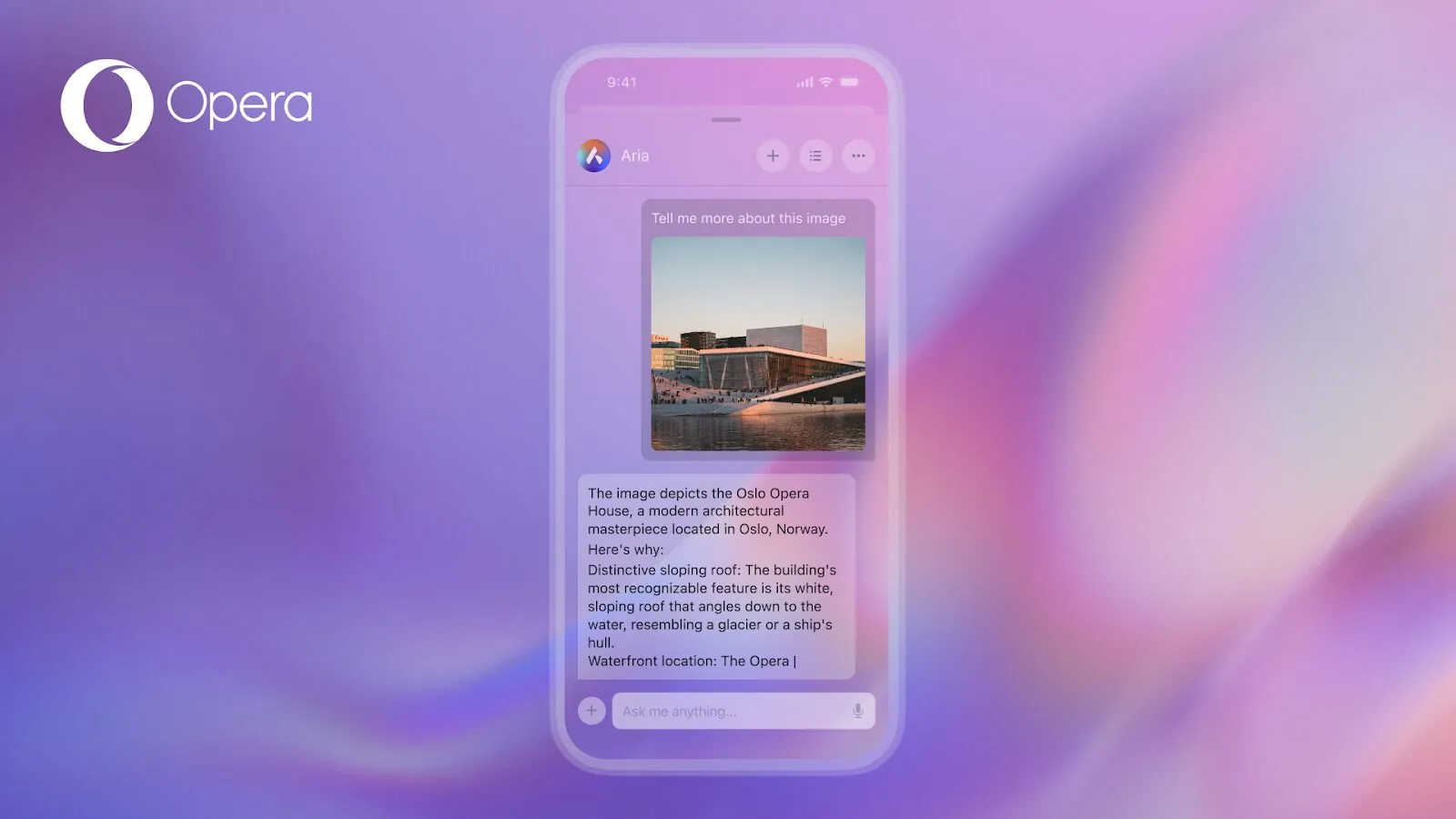
- AI Integration: A recent Opera One iOS update introduced multimodal AI inputs, letting users upload files directly to the browser AI from their iPhones.
- Desktop Sync: The update also rolled out direct desktop-to-mobile synchronization for tabs and passwords, alongside native tab media controls.
The exact numbers, validated in a recent 9to5Mac report detailing the Q2 2026 iOS MAU growth statistics, show a clear behavioral shift. iPhone owners want features Apple refuses to prioritize. The direct AI file uploads and built-in VPN bypass the need for third-party subscription apps entirely.
How the EU’s Digital Markets Act Spilled Over
You have to look at Europe to understand why this is happening now. The European Union’s 2024 Digital Markets Act (DMA) legally forced Apple to present iOS users with a browser-choice ballot screen. Safari could no longer sit alone on the throne.
Following that legislative rollout, Opera saw a 42% iOS adoption bump across Europe. France alone spiked by 103%. What stands out today is that the US and UK do not have those mandatory ballot screens. The appetite for alternative browsers simply bled into independent markets organically.
The Verdict
If you are tired of Safari’s rigid ecosystem, Opera One is absolutely worth the download in 2026. The free VPN provides immediate utility, and the multimodal AI file upload actually leverages your phone’s hardware in a way that feels native. It is a highly capable, privacy-first alternative that clearly has the momentum to back up its feature set.