
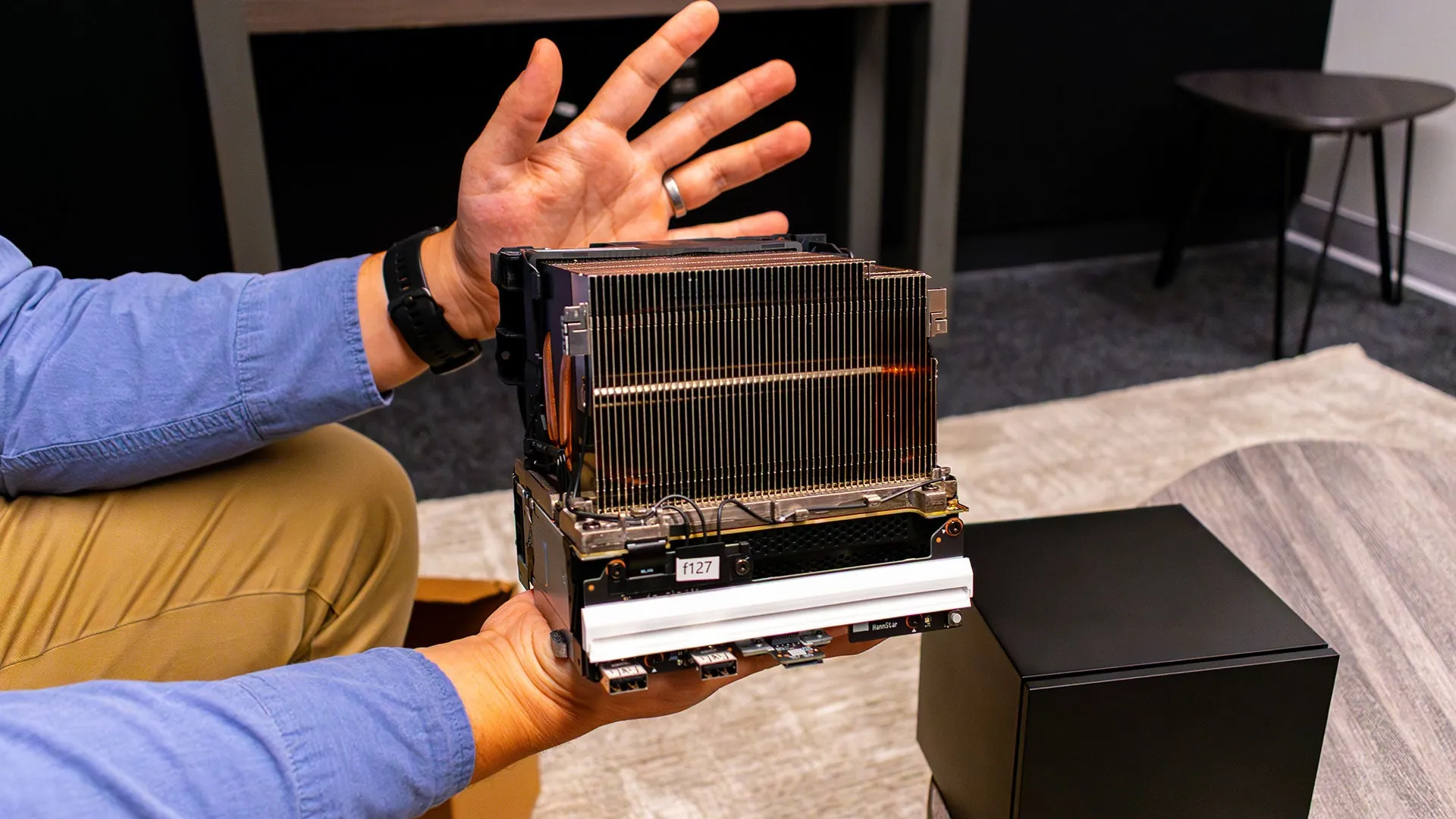
Valve just rewrote the rules for the living room PC. Released on June 29, the new 2026 Steam Machine abandons the traditional mix-and-match approach of Windows desktops to do something almost nobody else in the gaming space is attempting. They copied Apple. By locking down the hardware, silicon, and operating system into a single cohesive unit, the company built a highly controlled ecosystem that mirrors the philosophy behind the Mac mini.
But that level of integration comes with severe sticker shock. Driven by the ongoing global DRAM and NAND memory shortage crippling the tech sector, component prices have skyrocketed across the industry. The base 512GB Steam Machine starts at a steep $1,049, while the 2TB bundle paired with the new Steam Controller tops out at $1,428.
Engineering an Appliance, Not a PC
That aggressive pricing marks a sharp departure from the subsidized loss-leader model Valve used to popularize the original Steam Deck. Yet, the engineering packed inside the 2.6-kilogram, 6-inch cube chassis justifies the cost for a specific type of buyer. According to a recent hands-on analysis, the electronics pricing surge directly dictated the final retail cost of this ultra-compact form factor. You aren’t just paying for parts. You are paying for a purpose-built appliance where every layer talks perfectly to the one above it.
Unlike mini-PCs from Asus or Minisforum that just slap Windows onto off-the-shelf processors, this is a tightly curated platform. SteamOS, the Proton compatibility layer, and the controller-first interface were all designed specifically for the hardware underneath.
Under the hood, the system runs on a semi-custom AMD Zen 4 CPU featuring two standard performance cores and four denser Zen 4c cores. Paired with a 28-CU AMD RDNA 3 graphics unit and 16GB of DDR5 memory, the setup targets a very specific visual sweet spot. A detailed technical hardware review confirms the system’s strict 1080p-focused gaming performance limits. Players who want 4K output will need to lean heavily on AMD’s FSR 4.1 upscaling technology.
Interestingly, while the experience is incredibly locked-in right out of the box, Valve left the back door wide open. Unlike Apple’s notoriously closed ecosystem, the Steam Machine allows users to wipe SteamOS and install Windows if they really want to. The catch? Valve is betting the default experience is so good you simply won’t bother.
Why Valve Abandoned the Windows Playbook
This marks Valve’s second attempt at conquering the living room after the original Steam Machines flopped a decade ago. Back then, the company relied on third-party manufacturers to build the hardware, resulting in a fragmented, confusing mess of different specs and varying performance targets.
By pulling the entire stack in-house—from commissioning the semi-custom AMD silicon to optimizing the Gamescope software—Valve eliminated the exact friction that kills most living room PCs. Microsoft and third-party component vendors no longer dictate the user experience. Instead, Valve created a console-like plug-and-play reality for PC gaming, proving that strict vertical integration isn’t just for productivity workstations anymore.