
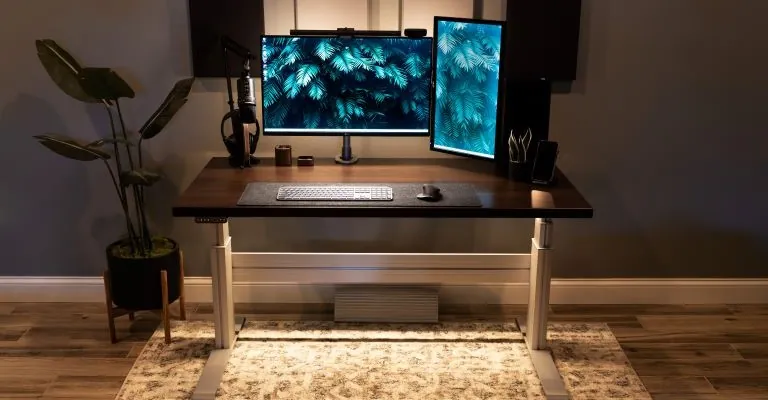
Upgrading your workspace feels like a straightforward win. You buy a second display, plug in a DisplayPort cable, and suddenly your desktop breathes. But an unexpected side effect is quietly frustrating power users across the tech industry. Once your brain adapts to having a dedicated second screen, going back to a single monitor doesn’t just feel cramped. It feels completely broken.
Lead writer Tanveer Singh detailed this exact phenomenon in an editorial hardware review evaluating the long-term impact of running two 1440p, 27-inch displays. While the setup successfully eliminated the constant friction of Alt+Tab toggling and provided a permanent home for background apps like Spotify and Discord, it fundamentally rewired his workflow. Reverting to a single screen for even a single afternoon felt entirely unnatural.
Key Details
- Permanent Workflow Shift: Users report an inability to return to single-display setups after training themselves to rely on persistent peripheral apps.
- Hardware Quirk Headaches: Secondary panels frequently suffer from mismatched wake behaviors depending on specific GPU firmware and connection types.
- The OLED VRR Problem: High-end setups are increasingly plagued by variable refresh rate flicker when running mismatched refresh rates across two displays.
- The Ultrawide Alternative: A growing counter-trend is pushing developers toward single 34-inch monitors to eliminate bezels and force single-task focus.
The honeymoon phase of a dual-monitor setup usually involves marveling at the sheer amount of digital real estate. You can park a YouTube video on the right while writing code on the left. But hardware realities often complicate that vision. Depending on how the displays are wired to your graphics card, mismatched wake behavior can cause desktop windows to chaotically shuffle every time the computer wakes from sleep.
And if you are running premium OLED panels, the technical hurdles multiply. Users frequently report annoying variable refresh rate flicker when the primary and secondary screens operate at wildly different refresh speeds.
The Single-Screen Counter-Movement
These hidden frustrations are triggering a surprising backlash among software engineers. Prominent developers like Cory House have publicly documented their decision to completely abandon multiple monitors. The primary culprit? Decision fatigue. When you have unlimited screen space, you constantly spend mental energy deciding where windows should live rather than focusing on the actual work inside them.
Instead of wrestling with window management across a physical plastic bezel, many developers are downsizing back to a single maximized 27-inch display or adopting a 34-inch ultrawide. This forces the user to look at only one primary task at a time. It turns out that having less visual space might actually be the ultimate productivity hack, simply because it removes the temptation to multitask.