
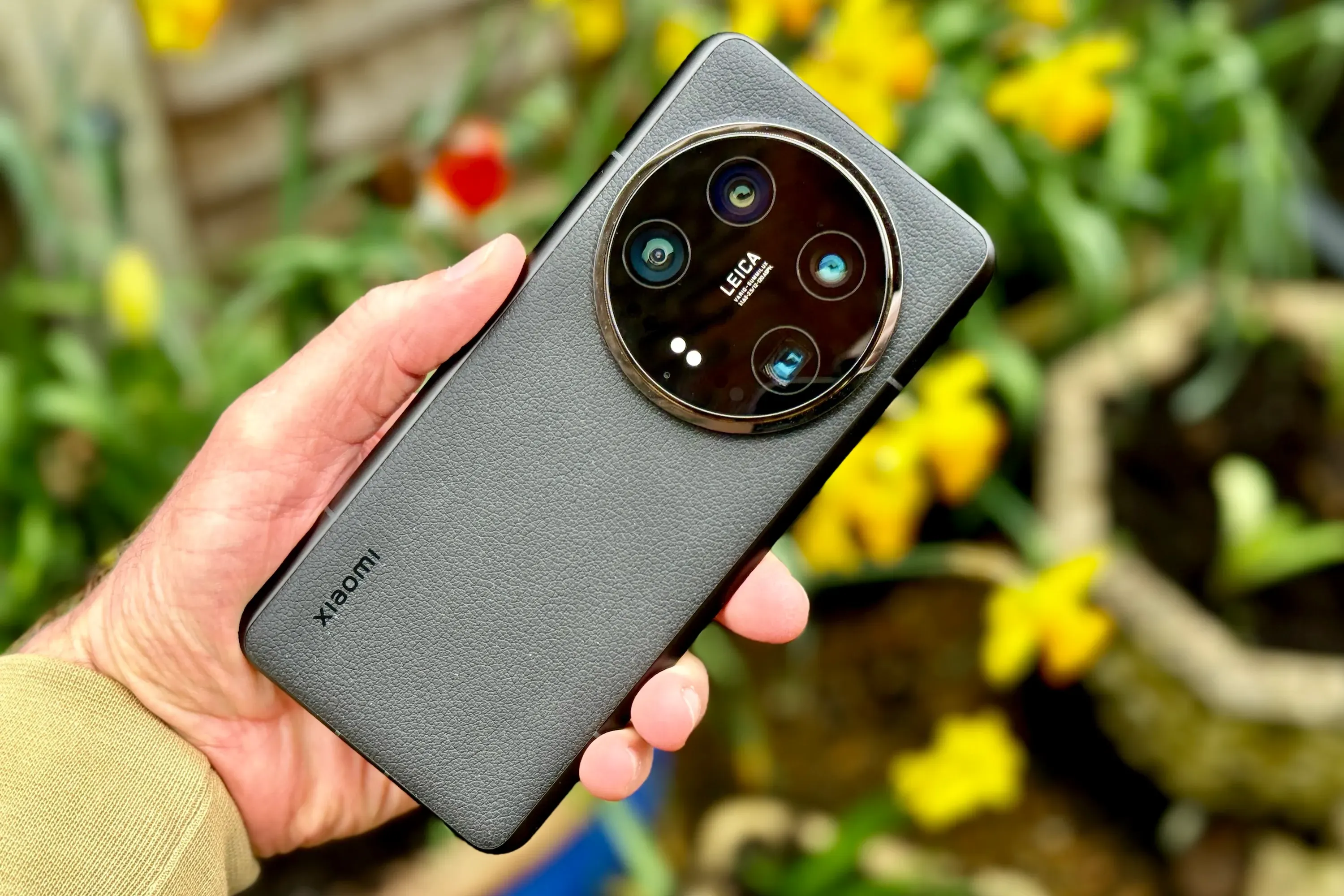
Smartphone cameras cram an impossible amount of technology into a tiny metal chassis. Historically, mobile lenses relied on fixed apertures, meaning the lens opening was permanently stuck at one specific width. But mechanical variable apertures are now shrinking down into mobile phones. This hardware gives you actual physical control over light intake and depth of field, ditching the need for fake software blur.
The Mechanics Behind the Lens
A camera’s aperture functions exactly like the human eye’s iris. A variable aperture system uses a mechanical diaphragm made of multiple interlocking blades. These blades physically slide over each other to expand or contract the opening. This regulates the exact amount of light striking the image sensor.
Integrating this mechanical movement into a phone requires microscopic driver motors. According to technical analysis from the team at The Smartphone Photographer, engineers use piezoelectric or miniature drive coils to physically shift the blades without adding bulk to the phone’s slim body.
Understanding F-Stops and Light Control
Aperture sizes use “f-numbers” or “f-stops” to measure the physical opening. The ‘f’ stands for focal ratio. You calculate this by dividing the focal length of the lens by the physical diameter of the aperture opening. Cambridge Mechatronics engineers detail how this optical math dictates exactly how a lens manages incoming light.
A wider aperture uses a smaller f-number, like f/1.5. This lets in significantly more light. It cuts down image noise and preserves fine details in low-light environments. A narrower aperture uses a larger f-number, like f/4.0. This restricts light intake. That restriction physically prevents your bright daylight photos from blowing out into white overexposure.
Depth of Field: Optical Hardware vs. Software Blur
Aperture dictates your depth of field. This is the physical distance range within a photo that appears in sharp focus. A wide aperture creates a shallow depth of field. The background optically blurs to isolate your subject. This gives portraits a natural bokeh effect. A narrow aperture deepens the depth of field, keeping both the foreground and the distant background sharp.
Modern smartphones lean heavily on computational photography to simulate this depth of field. Software tries to guess the edges of a subject. This routinely causes obvious edge-detection errors around hair, glasses, or complex backgrounds. A physical variable aperture creates optical blur natively through the hardware itself. You get authentic, professional-grade images completely free of digital artifacts.
Real-World Smartphone Implementations
Variable aperture hit the mainstream mobile market with the Samsung Galaxy S9 in 2018. The phone featured an 8-blade system. It let the primary 12-megapixel camera mechanically switch between f/1.5 for night shots and f/2.4 for sharper daytime photos. Early comparisons of mobile camera hardware by reviewers Andrew Lanxon and Patrick Holland at CNET found this switching system managed low-light noise highly effectively.
Modern enthusiast flagships push this technology much further. The 2024 Xiaomi 14 Ultra pairs a massive 1-inch-type camera sensor with a continuous variable aperture lens. Co-engineered with Leica, the variable aperture lens slides smoothly from f/1.63 to f/4.0. This grants granular, step-by-step control over exposure and optical blur instead of just toggling between two extremes.
The Mobile Diffraction Limit
There is a hard physical ceiling to this technology on phones. Smartphone sensors are tiny compared to full-frame DSLRs. Because of this size difference, optical physics hit a “diffraction limit” much earlier on small sensors.
Stopping down the aperture past f/4.0 on a mobile sensor actually degrades image sharpness. Light waves physically scatter as they squeeze through the tiny hole. This explains why mobile variable apertures stop at f/4.0 and skip the f/16 or f/22 stops found on bulky, full-size camera lenses.
Frequently Asked Questions
What does the “f” in f-stop mean?
The ‘f’ stands for focal ratio. It is a mathematical calculation determined by dividing the focal length of the camera lens by the physical diameter of the aperture opening.
Does a smaller f-stop number mean more light or less light?
A smaller f-stop number (such as f/1.5 or f/1.8) indicates a wider aperture opening. This allows significantly more light to enter the lens and hit the camera sensor. Nighttime photography relies entirely on small f-stop numbers.
Why did early smartphone cameras mostly use fixed apertures?
Strict space constraints within slim smartphone bodies forced manufacturers to use a single, fixed aperture. Engineers designed these lenses to strike a middle-ground balance between light capture and an acceptable depth of field, leaving software to compensate for different lighting conditions.