
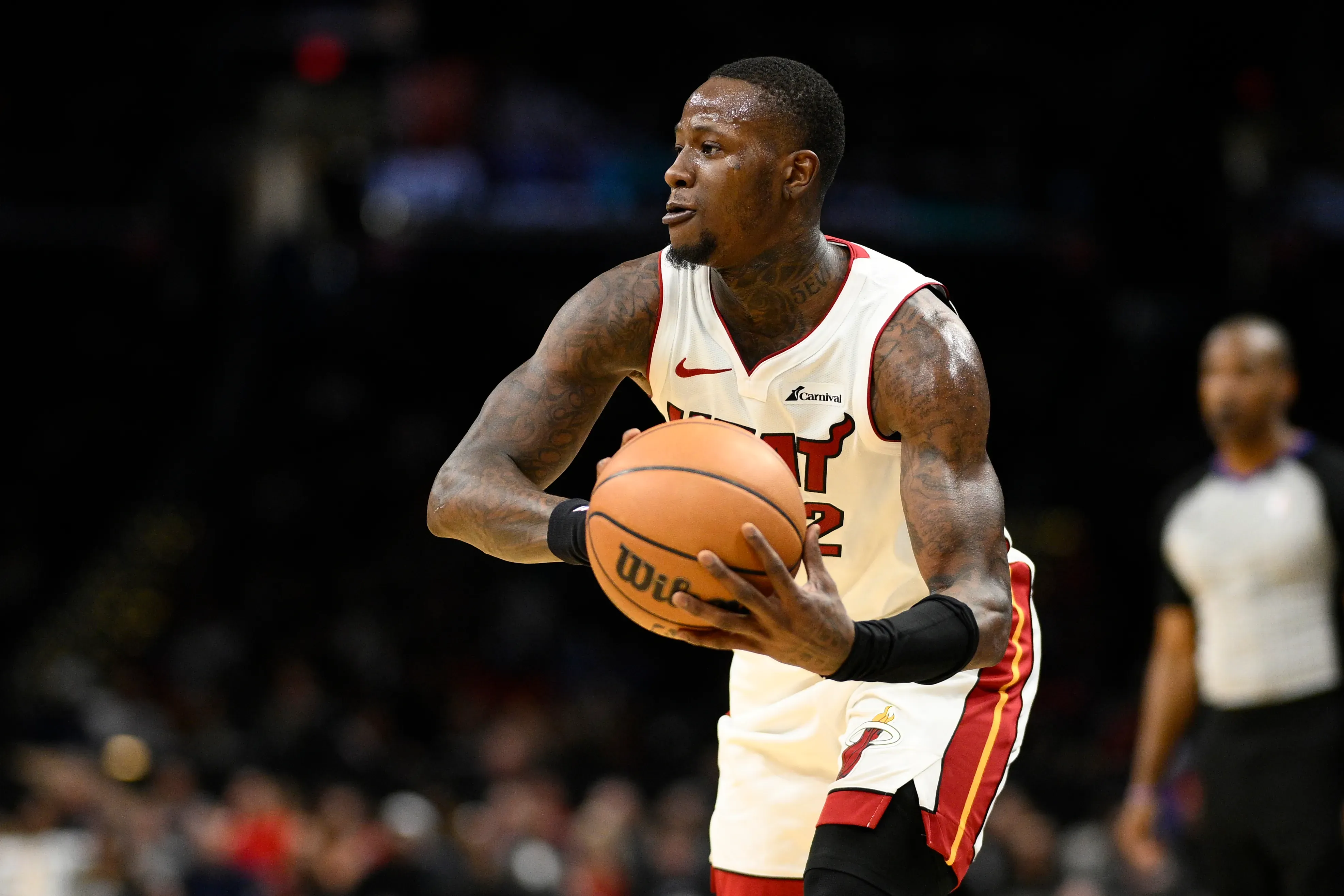
When a pro athlete gets hit with federal criminal charges, fans usually assume they just write a massive check to a bail bondsman and fly out to the next away game. That is totally wrong. Federal court operates entirely differently from the state-level justice system most people see on TV. Federal judges do not use commercial bondsmen. Instead, they lock defendants into strict geographical boundaries, confiscate their passports, and require constant monitoring. For an athlete whose multimillion-dollar contract demands constant travel across state and international lines, federal bail conditions create a massive logistical nightmare that can instantly derail their career.
How Federal Pretrial Release Works
The federal justice system relies on rules established in 1984. The law instructs judges to use the least restrictive conditions necessary to guarantee a defendant shows up for trial and does not endanger the public. But “least restrictive” in a federal courtroom is still incredibly strict.
Commercial bail bondsmen are basically nonexistent here. Instead of requiring upfront cash, federal magistrate judges usually release defendants on what is called an unsecured appearance bond. This means the athlete signs a promise to pay a specific amount if they flee, or they secure the bond with physical property like a house.
According to the Federal Public Defender, the actual restrictions placed on a defendant vary based on a risk assessment report. A federal Pretrial Services officer writes this report and hands it to the magistrate judge. The judge then decides exactly what the athlete can and cannot do. Standard rules always apply. These include mandatory drug testing, strict curfews, electronic GPS monitoring, and the immediate surrender of all firearms.
The Judicial District Travel Ban
The biggest friction point for any athlete on federal release is the travel restriction. Federal defendants are almost always confined to the exact judicial district where their case is filed. If an athlete gets indicted in the Southern District of Texas, they cannot legally cross the boundary of that specific geographic zone without a judge saying so.
Professional sports schedules obviously ignore federal district lines. This forces the athlete’s defense lawyers to fight for specific travel exemptions just so their client can go to work.
Getting an exemption is a tedious process. Here is how lawyers keep an indicted athlete on the field:
- Drafting the Itinerary: Defense attorneys must submit a highly detailed travel schedule to the federal Pretrial Services officer weeks in advance. This document includes exact flight numbers, hotel addresses, and stadium arrival times.
- Filing the Motion: The legal team formally petitions the magistrate judge to temporarily lift the travel ban for the specific dates of the away games.
- Judicial Review: The judge weighs the player’s flight risk against their right to earn a living. The prosecution usually gets a chance to object.
- Strict Compliance: If approved, the athlete must stick exclusively to the approved route. Stepping out of bounds can trigger a GPS alert and an immediate arrest warrant.
Violating these boundaries is one of the fastest ways to end up in a federal holding cell. According to Mark Diaz Criminal Defense, leaving the designated district without explicit prior approval usually results in bail revocation. The athlete would then sit in jail until their trial date.
The Passport Trap and International Play
Domestic travel is hard, but international travel is nearly impossible. Professional leagues routinely schedule games in Toronto, London, Paris, and Mexico City. But a standard condition of federal bail is the immediate surrender of the defendant’s passport to the court.
Without that little blue book, an athlete cannot cross international borders, effectively banning them from participating in overseas matchups.
Getting a passport back temporarily is a bureaucratic headache. You can’t just ask the clerk for it. The U.S. State Department requires a direct court order or formal authorization on official letterhead from a pretrial officer just to release the seized document. Even if the judge signs off on a quick trip to Canada for a playoff game, the defense team has to physically retrieve the passport, give it to the player, and then confiscate it again the moment the team plane touches back down on American soil.
High-Profile Cases and Real-World Friction
We can see exactly how these rules play out by looking at recent high-profile indictments in the NBA. Federal sweeps targeting sports betting and wire fraud conspiracies have forced several major figures to navigate these exact restrictions.
Look at Terry Rozier. In a 2026 federal gambling and wire fraud indictment, Rozier faced severe limitations to his daily life. U.S. Magistrate Judge Robert Norway released him on a $3 million bond, which Rozier had to secure using his Florida home as collateral. The conditions of his release were ironclad.
He was strictly ordered to abstain from all forms of gambling. He also had to hand over his passport to federal authorities. The judge explicitly restricted his travel to the continental United States, as outlined in the PBS News coverage of the indictment. That single condition instantly blocked him from playing in any international fixtures.
Chauncey Billups faced a similar hurdle a year earlier. Indicted in a related 2025 money laundering and gambling sweep, Billups was processed through a federal court in Portland. The magistrate judge allowed his release but clamped down on his movement. Billups had to surrender his passport and stay entirely away from gambling activities while he awaited trial.
The Role of Pretrial Services on the Road
When an athlete does secure a travel exemption, the supervision does not stop at the airport. Federal Pretrial Services officers are tasked with monitoring defendants 24/7. For a normal citizen, this means random home visits and phone check-ins. For a professional athlete on a road trip, it gets complicated.
The athlete must maintain constant contact with their assigned officer. If the team bus gets delayed in traffic or a game goes into triple overtime, the player’s legal team must immediately notify the federal officer to adjust the approved timeline. Missing a check-in while in another state can trigger an automatic alert. The officer has the authority to revoke the travel pass for future games if the athlete fails to strictly adhere to the agreed-upon itinerary.
Drug testing also travels with them. Standard federal bail requires random urinalysis. An athlete on a two-week road trip might get a call from their pretrial officer ordering them to report to a local, federally approved testing facility in whatever city they happen to be playing in that night. They cannot skip the test just because they have a team shootaround.
The Financial Reality of Unsecured Bonds
It is also worth breaking down exactly how unsecured bonds impact an athlete’s finances. Since commercial bail bondsmen aren’t bailing them out, the athlete doesn’t lose 10% of the bail amount to a fee. If a state judge sets bail at $1 million, a bondsman keeps $100,000 as profit.
Federal courts handle the money differently. When Terry Rozier signed a $3 million bond, he didn’t hand over $3 million in cash. He signed a legally binding contract with the United States government. He pledged his Florida house as collateral. If he complies with all his travel restrictions and shows up to court, the bond is dissolved at the end of the case, and he loses no money.
But if he were to hop on a plane and flee, the federal government would immediately foreclose on his house and seize the $3 million in assets. This financial leverage is usually enough to convince a judge that the athlete will stay exactly where they are told.
Common Misconceptions About Flight Risk
During these bail hearings, federal prosecutors love to argue that wealthy athletes are extreme flight risks. They point to the millions in their bank accounts and their easy access to private jets. The argument is that a player facing ten years in federal prison could easily charter a flight to a non-extradition country and disappear.
Defense attorneys aggressively shoot this down. An athlete’s fame is their biggest anchor. A seven-foot-tall NBA center or a globally recognized NFL quarterback cannot just blend into a crowd in a foreign country. Their faces are broadcast to hundreds of millions of people globally. They have endorsement deals, family ties, and highly public schedules that make running away completely impractical.
The real threat to the athlete isn’t the ankle monitor. It is their contract. While the Bail Reform Act ensures they get out of jail pending trial, simply being on federal release triggers immediate corporate panic. Standard professional sports contracts are loaded with “morals clauses” and “conduct detrimental to the team” language.
The moment a judge reads those federal bail conditions into the court record, the league commissioner can step in. Franchises use these clauses to suspend players without pay, void guaranteed money, or stash them on administrative leave. The judge might let the player travel to the stadium, but the team’s front office can still lock them out of the locker room.