
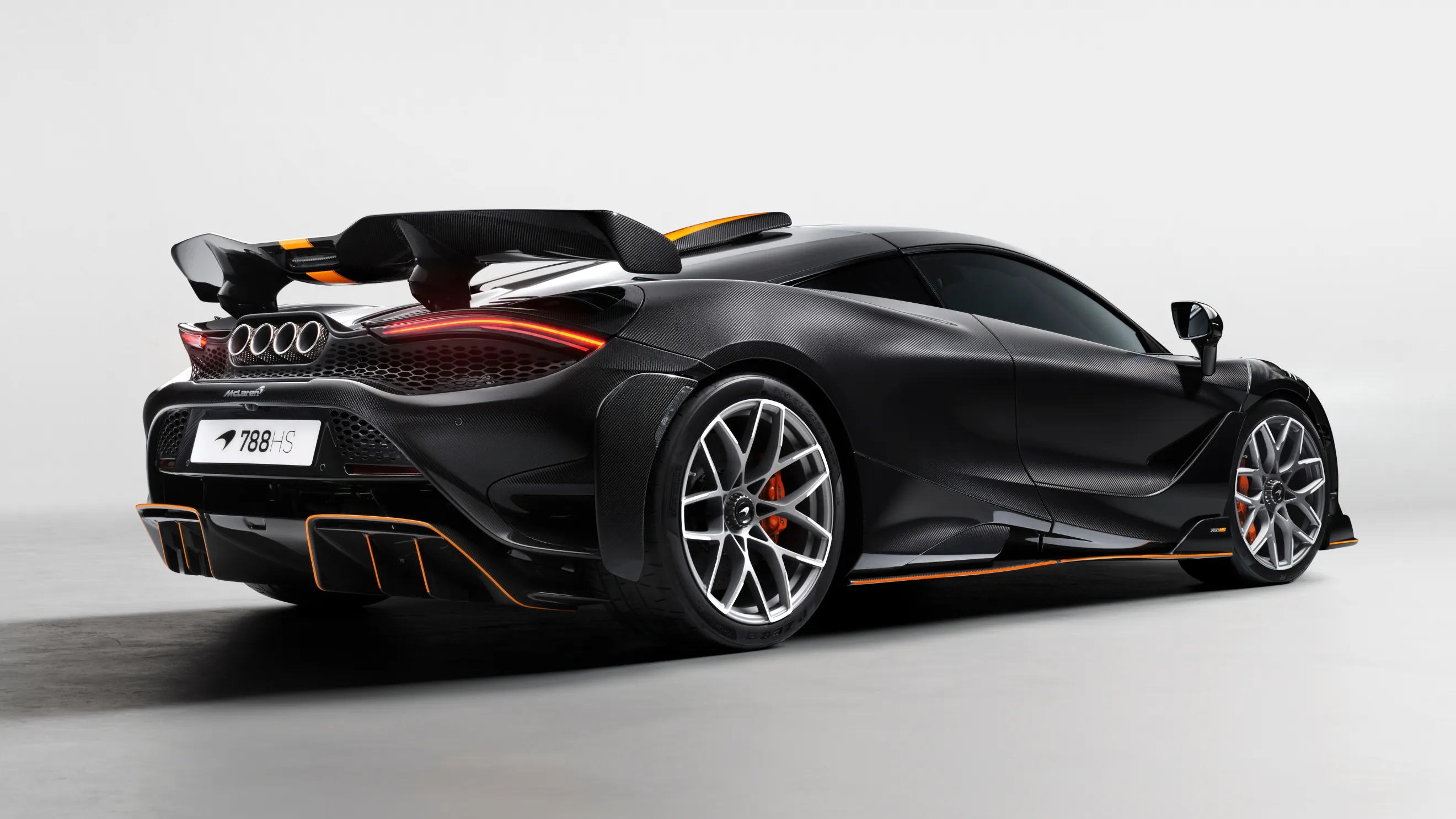
McLaren is officially closing the book on its purely internal combustion Super Series with the reveal of the 788HS. Making its public debut at the Goodwood Festival of Speed, the track-focused finale features a heavily reworked 4.0-liter twin-turbo V8 engine generating 777 horsepower and 590 lb-ft of torque. Production is strictly capped at a mere 200 units worldwide, split evenly between coupes and spiders.
But this car is more than just an engineering flex. The shift away from this V8 platform is directly driven by McLaren’s 2025 buyout by CYVN Holdings. That acquisition stabilized the automaker’s financials and set a strict deadline for a hybridized product roadmap. The 788HS is the final combustion celebration before electric motors become a permanent fixture in Woking’s assembly lines.
Engineering the High Sport Legacy
The engineering team squeezed every last drop of performance from the architecture that gave us the 720S, 765LT, and 750S. To earn the “High Sport” designation—a badge historically reserved for ultra-rare vehicles like the MP4-12C HS and MSO HS—the new model drops to a dry weight of just 2,789 pounds (1,265 kg). That extreme diet allows the 788HS to hit 60 mph in exactly 2.8 seconds and reach a top speed of 205 mph.
And to keep all that power glued to the tarmac, designers implemented an aggressive, Formula 1-inspired carbon fiber aerodynamic package. Featuring an S-duct hood and an active rear wing, the new setup generates 10% more downforce than the outgoing 765LT. This exclusive model officially caps the 720S and 750S family with its specific 788 PS power output.
Why CYVN Holdings Forced the 2028 Hybrid Transition
McLaren’s operations required serious financial stabilization over the last few years. Following the 2025 acquisition by Abu Dhabi-based CYVN Holdings, the entire corporate strategy shifted away from isolated combustion projects. The new ownership demanded strict production quality improvements and an absolute transition to hybridization by 2028 to keep pace with tightening global emissions standards and rival supercar manufacturers.
That rigid timeline left no room for another pure V8 generation. The 788HS exists entirely because CYVN Holdings authorized one final production run to clear out the remaining un-hybridized architecture while the engineering teams finalize the 2028 electric-assist platforms. For the 200 buyers securing an allocation, they are purchasing the final mechanical expression of McLaren’s modern combustion era.