
The artificial intelligence boom is actively cannibalizing the global supply of consumer memory. Major fabricators like Samsung, SK Hynix, and Micron are aggressively reallocating their fabrication lines away from standard DDR4 and DDR5 memory to produce High Bandwidth Memory (HBM). HBM is the lifeblood of AI data centers and Nvidia GPUs, and it consumes three times more silicon wafer production capacity than standard RAM. The result? The worst consumer spot market in a decade.
But there is a bizarre loophole hiding in plain sight. In a pricing analysis published by Abhinav Raj at XDA Developers, the humble mini PC emerged as the smartest hardware purchase of the year.
Key Details
- The HBM bottleneck: Analysts project that AI infrastructure will consume 70% of all high-end DRAM manufactured globally by the end of the year.
- Spot vs. Contract pricing: OEMs secure their memory chips through long-term volume contracts months in advance, isolating them from the daily retail price spikes crushing DIY PC builders.
- The Minisforum canary: Manufacturer Minisforum began passing memory costs directly to consumers in October 2025 by raising prices on fully configured models while leaving barebones kits untouched.
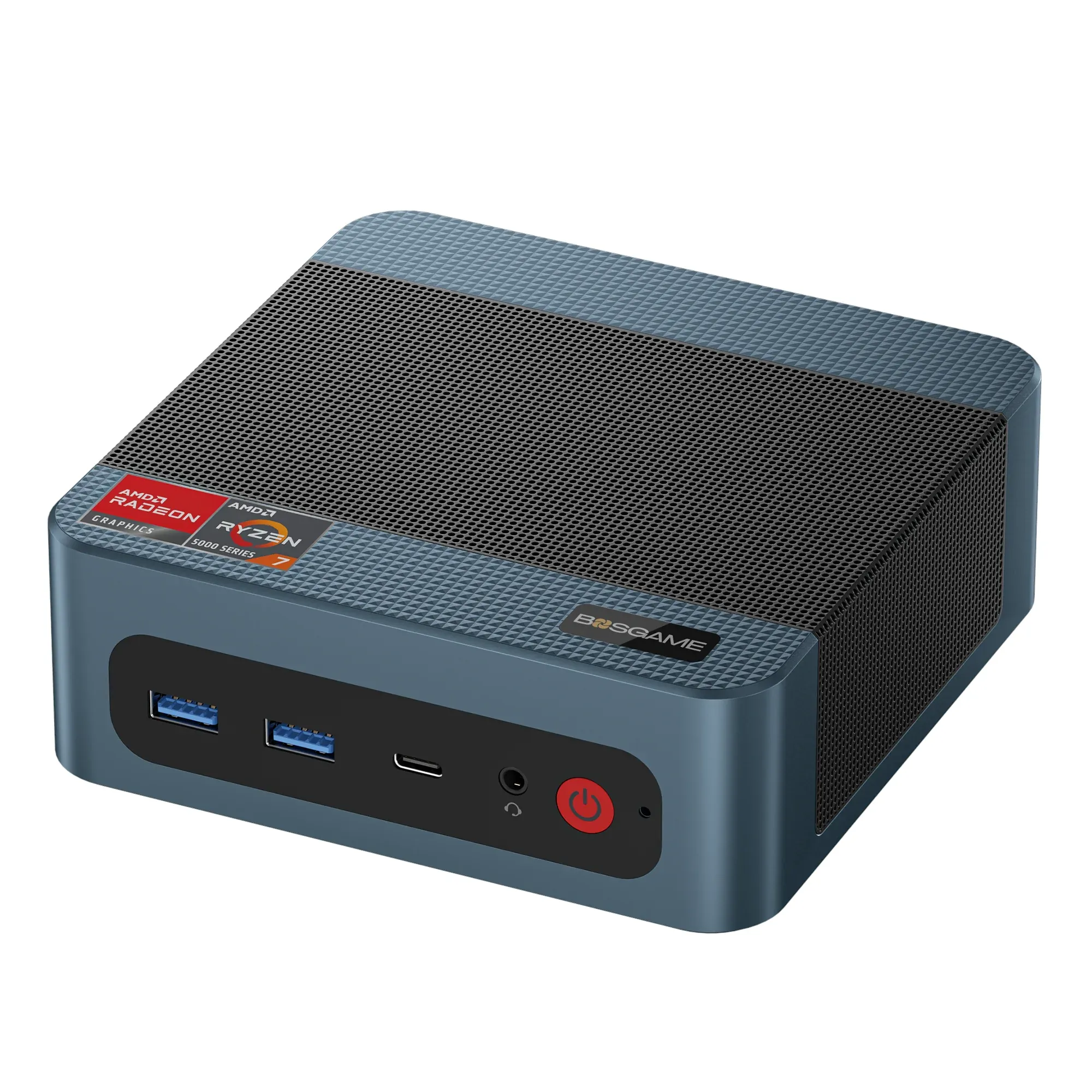
If you try to build a computer from scratch today, you are a spot buyer. That means you pay whatever the retail shelf dictates. To prove how absurd the pricing asymmetry has become, Raj priced out a prebuilt BOSGAME P5 Pro mini PC running a Ryzen 7 6800H processor with 32GB of DDR5 memory and a 1TB Gen 4 NVMe SSD. The entire computer retails for $559.
Buying just the equivalent memory and storage individually on the open market costs $776. A 32GB DDR5 SODIMM kit currently averages $407, while a 1TB Gen 4 NVMe SSD sits around $369. The memory and storage alone cost $217 more than the entire prebuilt system.
This extreme pricing volatility is already terrifying enterprise IT vendors. Hewlett Packard Enterprise recently reduced its hardware quote validities from 30 days down to 14 days just to avoid losing money on sudden memory price spikes. The structural shift is entirely driven by wafer footprints, a capacity reallocation by Samsung, SK Hynix, and Micron that is starving the consumer market.
And the broader PC market cannot escape the gravity of this shortage for long. The 2026 RAM Crunch caused by AI demand is quietly pushing up consumer laptop prices across the board. The constraint is expected to hold tight through the third quarter according to TrendForce reporting.
How HBM Wafer Demands Are Erasing Cheap Computing
The window to exploit this hardware loophole is closing fast.
Major OEMs including Lenovo, Dell, HP, Asus, and Acer have officially warned of inbound price hikes scheduled for the second half of this year. The cheap inventory built with memory procured under old, favorable contract rates is cycling out. Once that existing shelf stock disappears, the consumer shield vanishes with it.
Gartner and IDC estimate that elevated DRAM and SSD costs will force overall PC prices up by at least 17% before the year ends. This permanently alters the cost-to-performance ratio for entry-level and mid-range systems. For anyone trying to secure 32GB of DDR5 memory without paying the hyper-inflated retail tax, grabbing a mini PC right now is the only viable math left.