
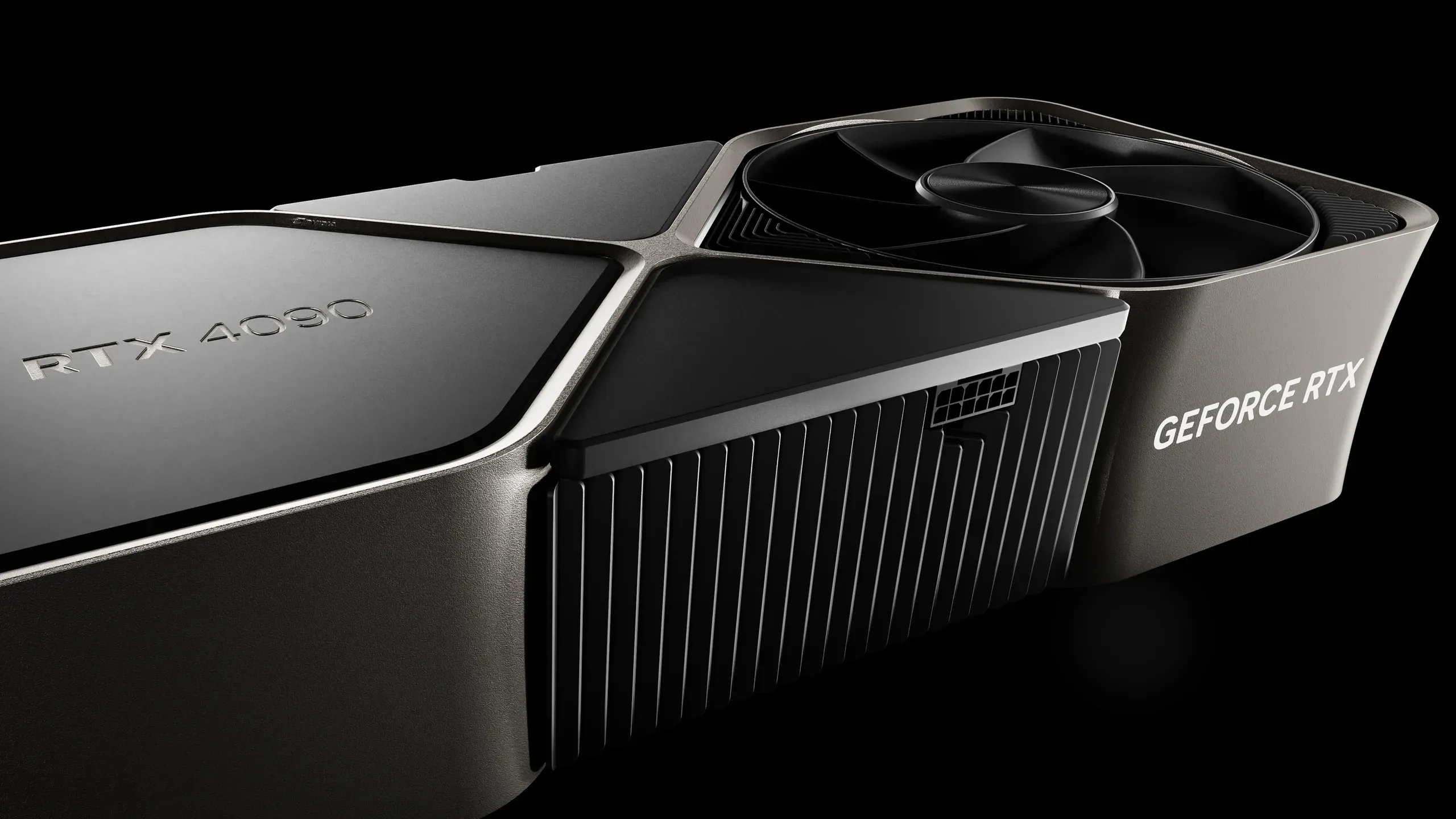
AI upscaling completely rewrites how video games draw pixels on your monitor. Instead of forcing your graphics card to sweat through rendering a complex scene at a native 4K resolution, the hardware renders the game at a much smaller size, like 1080p. Artificial intelligence then steps in.
It acts like a hyper-fast artist. The AI model predicts what that low-resolution image should look like blown up, filling in the missing details in real time. The result? You get 4K visual quality without the heavy hardware tax.
The Core Mechanics Behind the Magic
Older visual scaling methods were pretty dumb. They just stretched images by copying and repeating pixels, which left games looking soft and blurry. Today’s technologies use dedicated neural networks.
These networks do not just stretch the screen. They actually predict and create high-resolution pixels based on giant sets of deep learning training data. And as detailed in a technical breakdown by Samsung Semiconductor, these artificial neural networks are trained on data center supercomputers before they ever reach your home PC.
They look at millions of high-resolution images. They learn how to smooth jagged edges, reconstruct lighting, and fill in missing textures instantly.
Comparing the Big Three: DLSS, FSR, and XeSS
Not all upscaling tech is built the same. The PC gaming market is currently split between three major competitors.
- NVIDIA DLSS: Deep Learning Super Sampling is strictly exclusive to NVIDIA’s RTX graphics cards. It relies on dedicated physical hardware on the chip, called Tensor Cores, to do the heavy AI math.
- AMD FSR: FidelityFX Super Resolution started as a simpler spatial tool that did not use AI, making it highly compatible across older hardware and rival brands. But AMD is now heavily integrating machine learning into its newest FSR updates for its latest architectures.
- Intel XeSS: Intel’s answer uses XMX cores for acceleration on their Arc GPUs. But it also falls back on standard instructions to work across other vendors’ cards, trying to hit a sweet spot between quality and broad compatibility.
Real-World Performance and Frame Generation
The performance gains are hard to argue with. According to a performance deep dive by Windows Central, turning on these advanced tools in heavy titles like Cyberpunk 2077 can push performance from barely playable stutters to buttery-smooth frame rates well into the hundreds.
And the tech goes beyond just upscaling resolution. The newest models use AI frame generation.
By feeding two consecutive frames and motion data into a neural network, the AI can actually guess what happens between them. It then builds and inserts an entirely fake, intermediate frame. You literally double your visible frame rate using artificial images.
Microsoft is even stepping in to clean up the development mess. They recently introduced DirectSR, a software pipeline that lets game developers integrate DLSS, FSR, and XeSS through a single unified path.
The Trade-Offs: Latency and Visual Artifacts
But the tech is not perfect. Frame generation makes games look incredibly smooth, but it introduces input latency. The AI needs a tiny fraction of a second to build that fake frame, meaning your mouse clicks take slightly longer to register.
Competitive esports players generally turn frame generation entirely off. They prioritize immediate, raw responsiveness over high visual frame counts.
There are visual quirks, too. Players often complain about textures looking over-smoothed. Fast-moving objects can leave behind a shimmering trail or “ghosting” artifacts.
As the algorithms get more aggressive with ray reconstruction and denoising, a vocal part of the gaming community argues the graphics are entering an uncanny valley. They claim the hyper-sharpened visuals look like processed art rather than the authentic direction the developers intended.
Key Takeaways
- Modern graphics tools render games at low resolutions and use trained neural networks to rebuild the image, saving enormous amounts of hardware processing power.
- Technologies like NVIDIA DLSS rely on proprietary hardware cores, while AMD FSR and Intel XeSS offer broader compatibility across different brands of graphics cards.
- Features like AI frame generation artificially multiply frame rates for smooth visuals, but introduce minor input latency and visual artifacts that competitive players often try to avoid.