
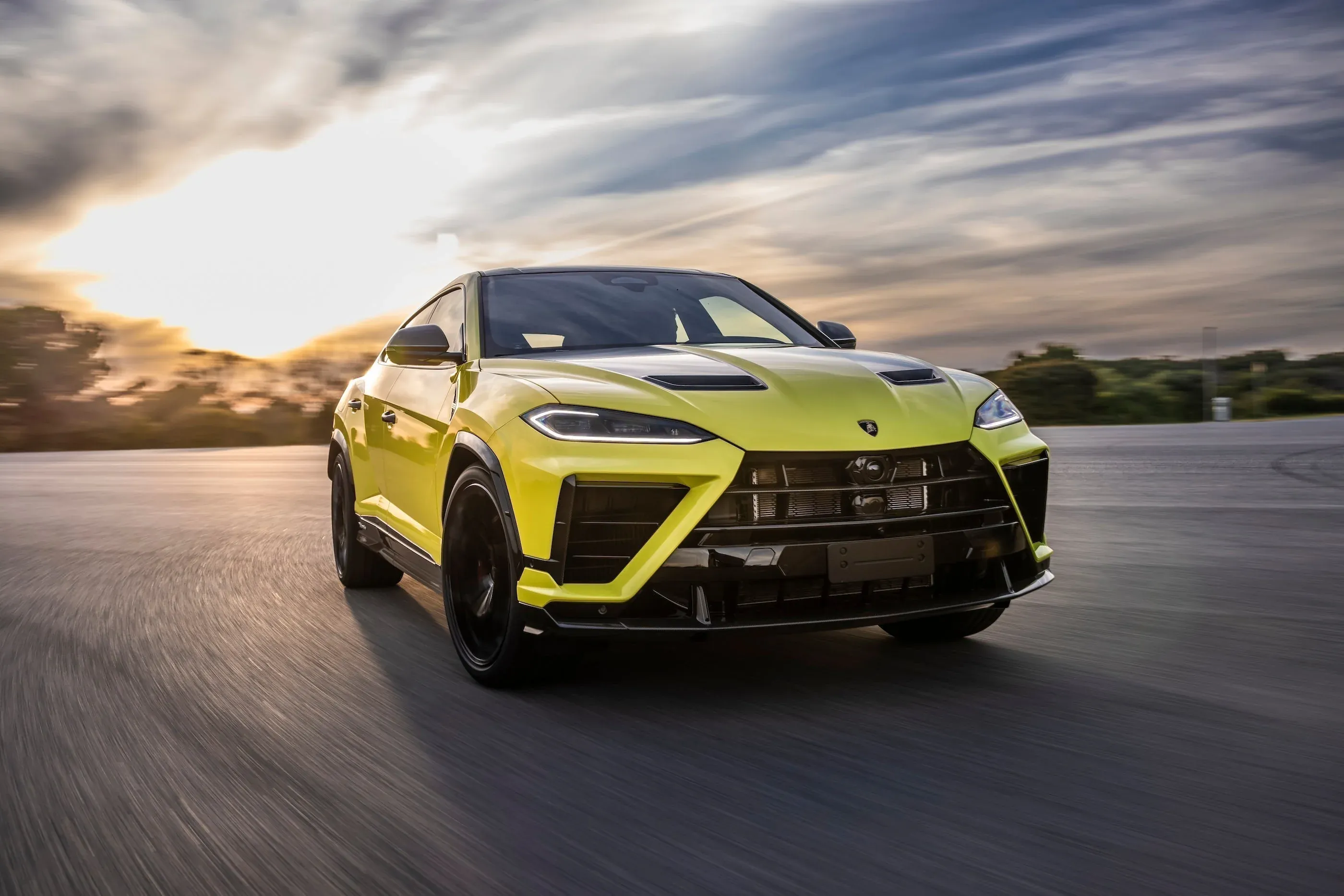
Automobili Lamborghini unveiled the 2027 Urus SE Performante today. And they did it by rejecting full battery power. The new flagship SUV locks in a plug-in hybrid architecture instead of transitioning to a pure EV platform. The vehicle pairs a 4.0-liter twin-turbo V8 engine with a permanent-magnet electric motor. The automaker expects sales to begin this month, with base pricing starting around $278,995.
Lamborghini engineers built this specific model to go fast. Real fast. The combined powertrain produces 812 horsepower and 1000 Nm of torque. That output propels the 2027 model from zero to 100 km/h in 3.3 seconds. The top speed taps out at 194 mph. But the real mechanical upgrade sits underneath the carbon-fiber bodywork. The company installed an AURA air suspension system that cuts body roll in half and reduces cabin vibration by 25 percent compared to older models. CEO Stephan Winkelmann noted the vehicle continues a legacy that started 40 years ago with the LM002.
Instead of building a heavy, silent EV, the company went with a hybrid setup. The motor provides roughly 37 miles of electric driving. You can cruise through city traffic without burning gas. Once you leave the city limits, the twin-turbo V8 takes over for pure acoustic acceleration.
The core powertrain borrows heavily from the corporate parts bin. The setup shares its foundation with the 739-hp Porsche Cayenne Turbo E-Hybrid. Lamborghini simply pushed that architecture further to reach the 812 horsepower mark. The new hood, bumpers, and rear spoilers are all constructed from carbon fiber, improving aerodynamic efficiency by 10 percent. The 2027 Performante debut confirms that supercar buyers still want mechanical noise and traditional combustion engines right now.
Why Hybrid Engines Survived the SUV Transition
Lamborghini’s decision to pause a full EV rollout shows a clear physical ceiling in the luxury performance market. Current battery packs add thousands of pounds to a vehicle chassis. That weight directly fights the agile handling required for a vehicle holding the Performante badge. By adopting the Porsche-developed PHEV system, Lamborghini bridges two totally different customer demands. Drivers get the zero-emissions capability required for strict European urban zones. They also retain the combustion V8 required for track days. This 812-horsepower model is the most powerful Urus the company has ever built. It proves that hybridization can actually increase sheer speed rather than just improving fuel economy.