
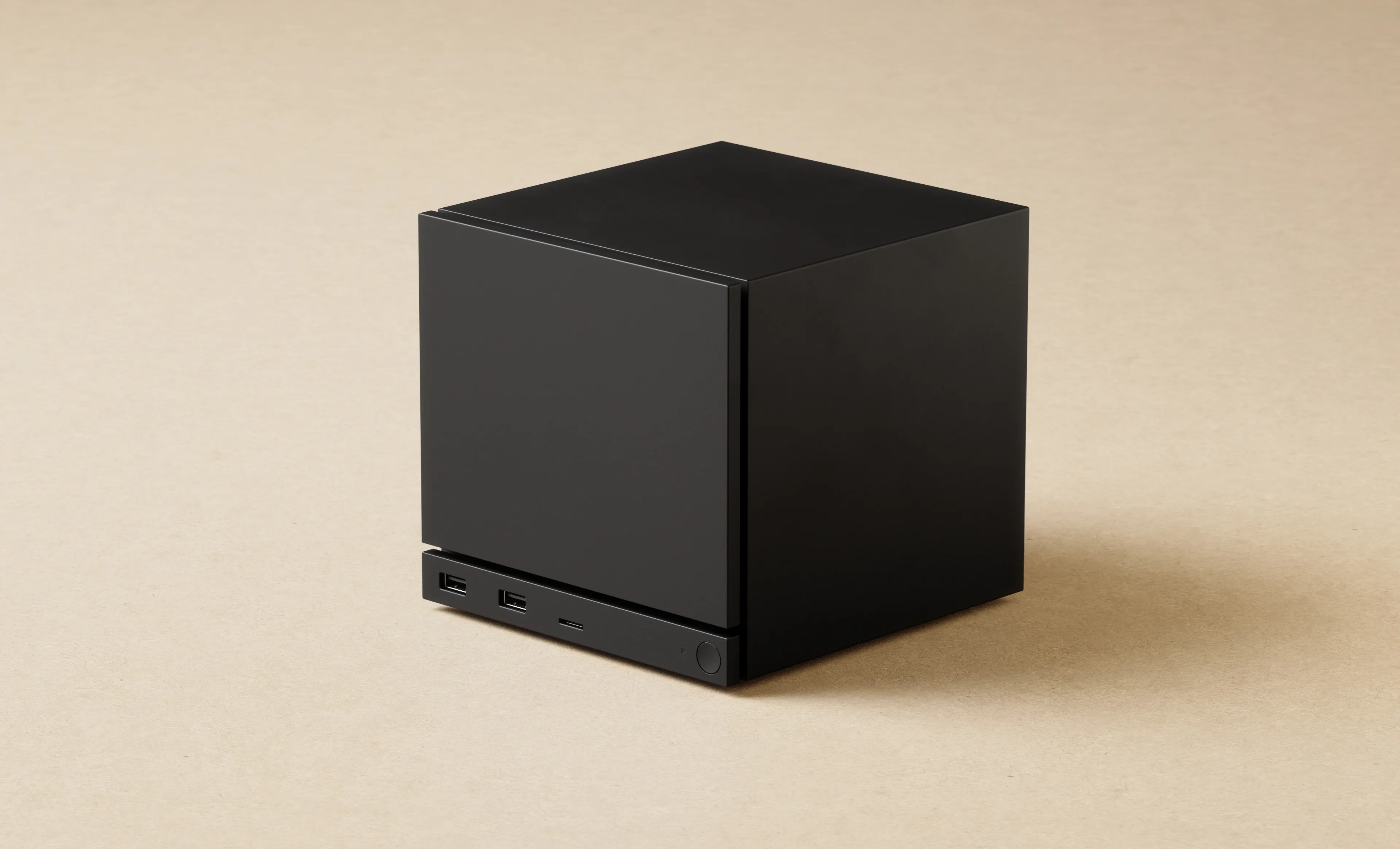
Valve officially unleashed its second-generation Steam Machine on June 29, 2026, promising high-end living room dominance. But the most interesting reaction isn’t awe at the custom AMD Zen 4 architecture. It’s a sudden surge in gamers realizing they already own a Valve console, and upgrading it costs next to nothing.
Jasmine, a hardware reviewer at XDA Developers, just demonstrated how purchasing a generic $30 docking station for an existing Steam Deck entirely negates the need to buy Valve’s shiny new hardware. The workaround instantly saves buyers over $1,000 while delivering a highly capable living room experience.
The $1,000 Living Room Loophole
To understand why this is happening, look at the price tags. The base 512GB model of the 2026 Steam Machine will run you $1,049. If you want the top-tier 2TB version, you are dropping $1,428. Sure, that buys you serious RDNA 3 graphical power designed to directly challenge the PlayStation 5 and Xbox Series X.
But raw power isn’t the only thing keeping gamers glued to their couches. The real magic is the operating system. SteamOS is light, fast, and completely outclasses the clunky, update-heavy experience of running Windows on a living room television. And you don’t need a thousand-dollar box to get it. You just need the handheld PC you probably bought two years ago.
According to the recent hardware breakdown published by XDA, a basic USB-C dock effortlessly bridges the gap. You plug in the Steam Deck, hook up an HDMI cable, and grab a Bluetooth controller.
Bypassing the Console Ecosystem
The appeal here goes way beyond just saving a paycheck. Operating a docked Steam Deck actively bypasses the locked-down, subscription-heavy ecosystems inherent to traditional gaming consoles.
Here is exactly why this workaround is gaining so much traction right now:
- Plug-and-play simplicity: The Steam Deck automatically scales its user interface for large displays the moment it detects an external monitor.
- Zero subscription fees: Unlike Xbox Live or PlayStation Plus, you aren’t paying a monthly toll just to access your own multiplayer games on your television.
- Total library access: Your existing PC game library is immediately available on the couch without repurchasing ports or waiting for console certifications.
How Valve’s 2015 Failure Built Today’s Rivalry
There is a deep, fascinating irony to Valve’s own portable hardware cannibalizing its new flagship console. We have to look back to November 2015. That is when the original Steam Machine initiative launched. It failed spectacularly, largely due to fragmented third-party manufacturing and a severe lack of native Linux game support.
That historical disaster forced Valve’s engineering teams to internally develop Proton, the revolutionary compatibility layer that translates Windows games to Linux on the fly. Proton eventually became the beating heart of the Steam Deck.
Now, in 2026, Valve is attempting to retake the living room. But the technology they built to survive their first failure is so incredibly efficient that gamers are using it to bypass their second attempt entirely. You have to admire the engineering, even if it might be eating into Valve’s own profit margins.