
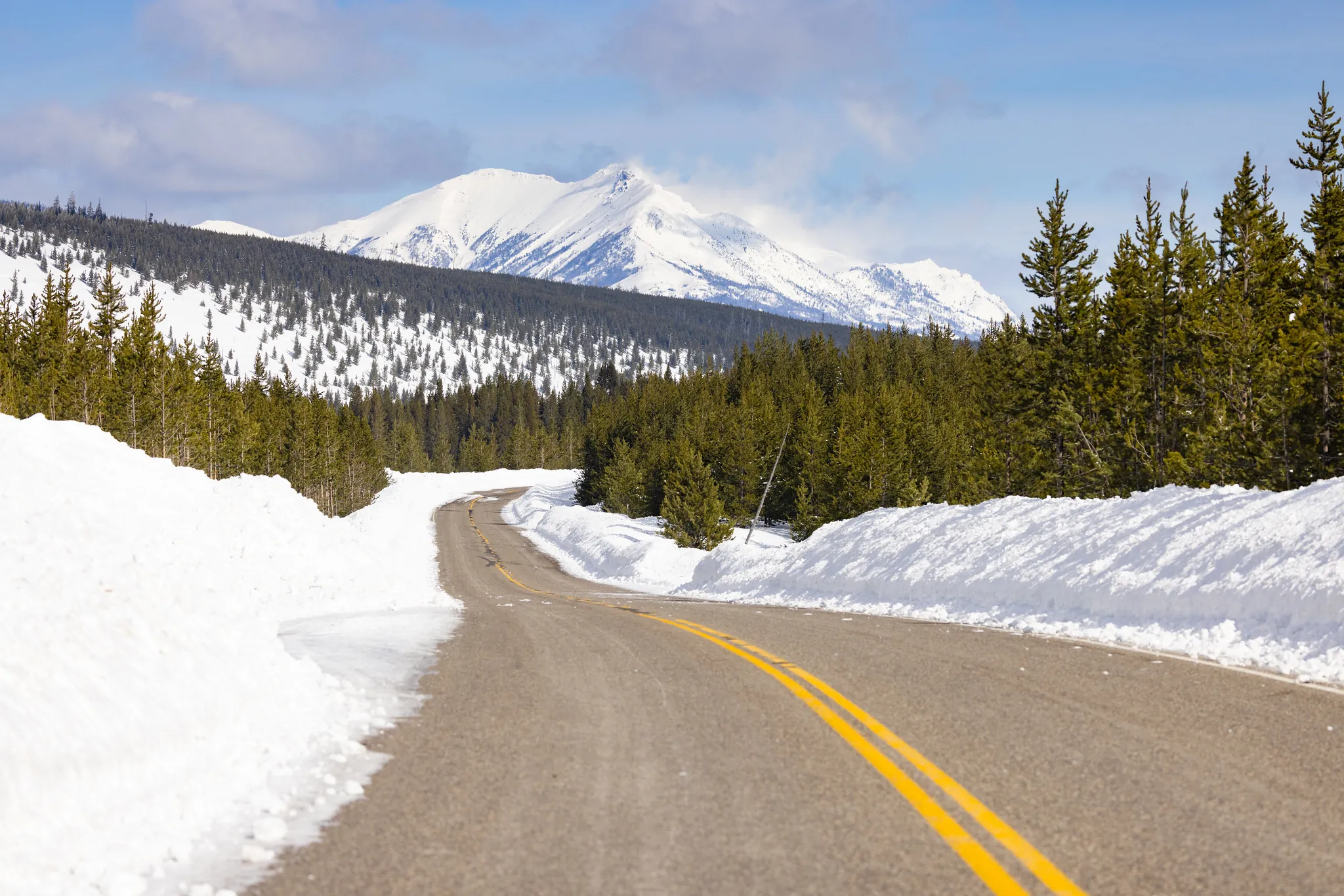
The National Weather Service has issued highly unusual late-June Winter Storm Warnings across high-elevation areas of Idaho, Montana, and Wyoming. A deep upper-level trough is dragging an unseasonably cold air mass into the Rockies. This system is plunging temperatures 20 to 30 degrees just days after valley areas were sweltering in the 80s and 90s.
Some high-elevation zones, specifically Montana’s Anaconda Pintler range, are expecting up to 16 inches of heavy, wet snow. Isolated reports suggest localized totals could reach up to 3 feet over a multi-day span. Wind gusts are forecasted to hit 55 mph on routes like the Beartooth Highway, creating severe backcountry risks. According to a detailed report on the storm’s impact, these conditions are creating hazardous driving conditions on high mountain routes.
National Parks Face Sudden Disruption
The unexpected storm hits right at the peak summer tourist season, just ahead of the July 4th holiday. Yellowstone National Park, specifically the West Yellowstone entrance, and Glacier National Park are facing hazardous travel conditions. Glacier’s iconic Going-to-the-Sun Road only just opened last week. Western ski resorts like Brighton, Alta, Big Sky, and Timberline have also reported surprise summer snowfall.
Residents and travelers in the central Idaho mountains brace for the worst of the sudden freeze. While high-elevation snow is not impossible in the summer, formal winter storm alerts of this magnitude are exceptionally rare. According to the Fox Forecast Center and the Iowa Environmental Mesonet, Idaho has only seen two June Winter Storm Warnings since 2020. This marks only the seventh June since 2005 that a Winter Storm Watch was issued in Montana.
A Continent Divided by Extremes
This western winter storm is occurring concurrently with a massive impending weather crisis in the eastern third of the United States. The East Coast is bracing for a potential record-breaking July 4th heat wave and a “heat dome” where the heat index could hit a dangerous 115 degrees.
The stark contrast highlights the extreme volatility of current weather patterns. As the Rockies prepare for up to 16 inches of snow, eastern states are opening cooling centers and issuing urgent health advisories.