
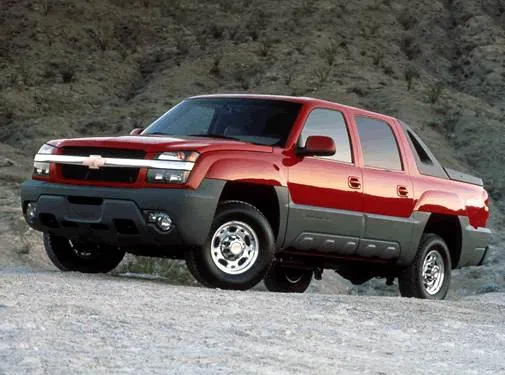
An engine builder from the YouTube channel “I Do Cars” recently cracked open a 496ci Vortec 8100 V8 to figure out why it ended up in a scrap yard. Pulled from a 2002 Chevrolet Avalanche 2500 with nearly 180,000 miles, this 8.1-liter engine holds the title as Chevrolet’s largest production big-block V8. It generated 340 horsepower and 455 lb-ft of torque for heavy hauling.
Despite taking heavy external damage, including a destroyed intake manifold and cut fuel lines, the engine looked great on the inside. The teardown revealed no structural failures or cracked blocks. The builder classified the core components as completely rebuildable.
However, looking closer at the pistons exposed the engine’s famous historical flaw. The engine teardown results show burned oil deposits caking the piston crowns and heavy wear marking the skirts. This physical evidence explains why these specific engines consume high amounts of oil past the piston rings. Mechanics routinely warn 8.1-liter owners to check their dipsticks frequently, as running low on oil causes intense metal-to-metal contact and accelerates internal friction.
Key Details
- Chevrolet introduced the engine in 2001 as the direct successor to the older 454ci Vortec 7400.
- Drivers experienced notoriously poor fuel economy, averaging roughly 10 mpg combined.
- The engine naturally burned approximately one quart of oil every 2,000 to 5,000 miles.
Why the LB7 Duramax Overtook the Vortec 8100
The physical evidence inside this 8.1-liter V8 explains exactly why the truck market shifted toward diesel alternatives. While the Vortec 8100 provided incredible pulling power, its oil consumption and 10 mpg fuel economy frustrated truck owners. For buyers needing heavy-duty torque without the constant oil top-offs, the LB7 Duramax diesel engine quickly became the preferred option. The heavy wear seen on these piston skirts proves that maintaining this giant big-block required more frequent fluid checks than most daily drivers actually performed.