
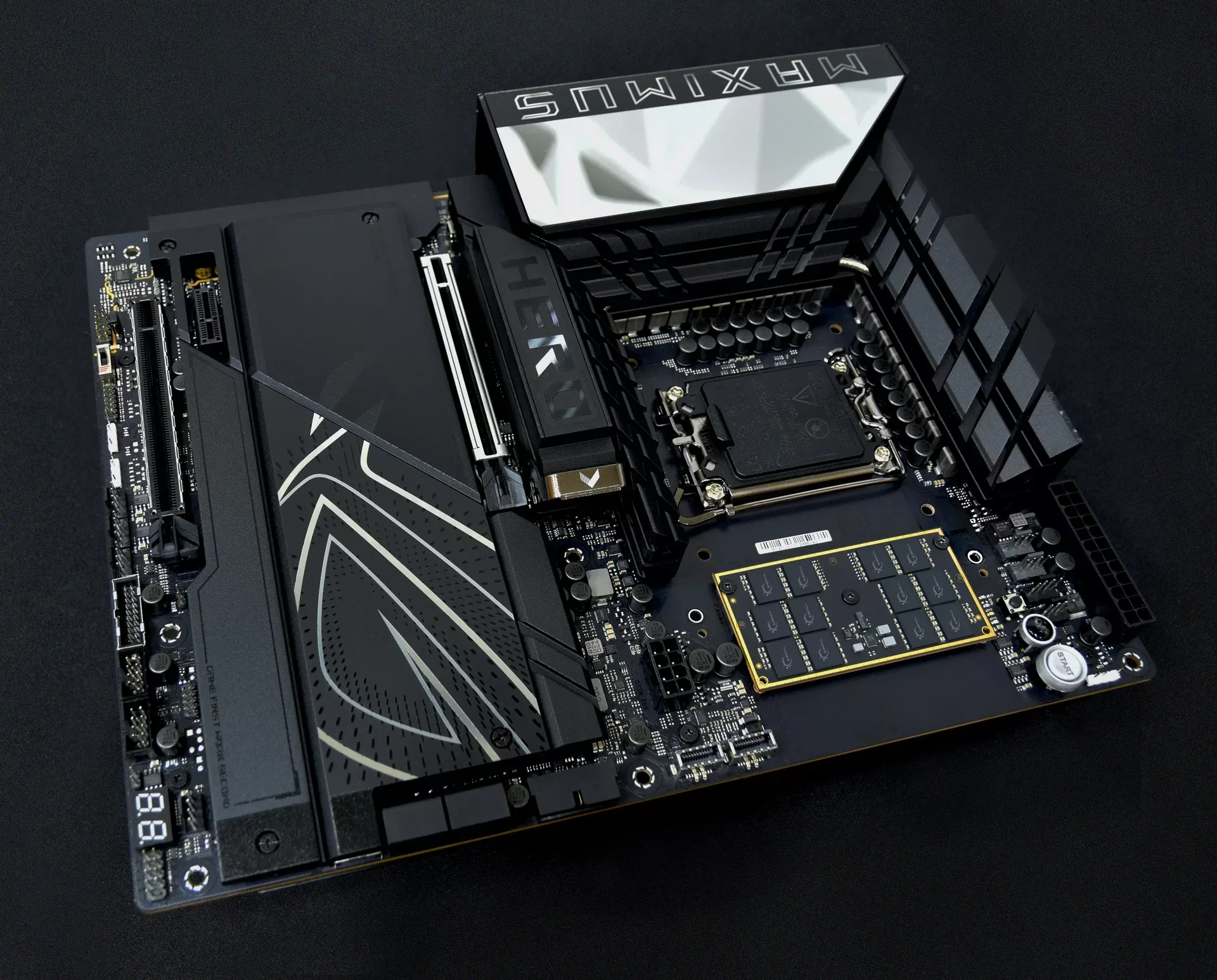
The desktop PC is undergoing a physical transformation just as the hardware market faces a severe supply shock. Chipmakers are currently reallocating their manufacturing capacity toward High Bandwidth Memory (HBM) for AI data centers. Those enterprise facilities are projected to consume 70 percent of all memory chips produced in 2026 alone. This structural reallocation is hitting consumer hardware timelines directly.
DDR6 memory is on the horizon, bringing blistering speeds and a completely new physical shape called CAMM2. The timeline for everyday consumers has slipped. Originally targeted for 2028, the consumer rollout is now expected between 2030 and 2032. Early estimates place a 32GB DDR6 CAMM2 module at $500 when it finally hits retail shelves.
What We Know
- Speeds will range from 8,800 to 17,600 MT/s, heavily outperforming current standards.
- Enterprise and server deployments remain on track for a 2027 window.
- Conventional DRAM prices spiked between 80 and 95 percent in the first quarter of 2026.
The traditional perpendicular RAM stick is going away. The new Compression Attached Memory Module (CAMM2) design bolts parallel against the motherboard. It saves vertical space inside laptops and desktop cases while tightening the physical distance between the processor and the memory. Engineers are refining the high-speed signaling required for the standard, which relies on a 4 x 24-bit sub-channel layout rather than the older 2 x 32-bit architecture used in DDR5.
JEDEC formalized the LPDDR6 mobile standard in July 2025, but the final desktop DDR6 ratification is still processing in 2026. The technical timeline gives motherboard manufacturers room to adapt, but the primary bottleneck is financial. The AI supply vacuum has triggered what market intelligence firm Gartner calls ‘memflation’, a pricing supercycle contributing to a projected 11.3 percent decline in global PC unit volumes this year.
How the Shift to CAMM2 Ends the DIMM Era
The impending arrival of CAMM2 means current-generation DDR5 setups are the final consumer systems to utilize the traditional dual in-line memory module (DIMM). That perpendicular stick design has defined custom PC building since the 1990s. Moving to a bolt-on, flat architecture fundamentally changes motherboard layouts and aftermarket CPU cooler clearance. PC builders will eventually benefit from tighter hardware profiles and improved thermal airflow over the board. However, the unprecedented 80 percent inflation on DRAM means early adopters in the 2030 window will pay a steep premium to build with the new physical standard.