
The global rush to build enterprise AI data centers is quietly making consumer PC parts incredibly expensive right now. Sustained corporate demand is creating a persistent memory crunch, which means the prices for consumer RAM and solid-state drives simply are not dropping. Building a new machine feels incredibly difficult right now, but you can still piece together a highly capable 1440p and 4K rig for roughly $1,500 if you commit to an all-AMD system.
Hardware testers are currently highlighting a specific combination of components as the smartest way to bypass the inflated pricing. Sticking to the AM5 platform and utilizing the AMD Ryzen 5 7600X gives builders a strong foundation for the next three to four years. According to a detailed system configuration, this specific processor is the undisputed value pick for anyone trying to hit that $1,500 threshold.
The RDNA 4 Midrange Strategy
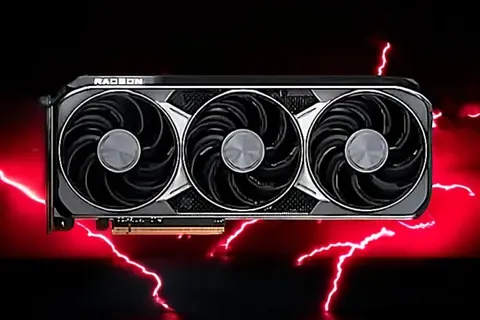
The real secret to hitting this budget lies in the graphics card. AMD launched its RDNA 4 architecture in March 2026, completely changing the math for budget-conscious builders this summer. The lineup features the Radeon RX 9070 and the RX 9070 XT. The 9070 XT arrives with a $600 sticker price, which directly undercuts Nvidia’s RTX 5070 Ti by exactly $150.
These new cards bring dedicated AI accelerators into AMD’s consumer desktop line for the first time. They also feature 3rd-generation ray tracing and pack 16GB of GDDR6 memory. If you check the official component specifications, that 16GB of VRAM is exactly what allows the card to handle modern 1440p and 4K textures without stuttering.
Why PC Memory Costs Are Permanently Locked
The economics of building a PC look very different today than they did a few years ago. The intense demand for AI hardware at the enterprise level established a completely new price floor for memory and storage components. Manufacturers are allocating their fabrication lines to highly profitable server memory, leaving fewer resources for consumer DDR5 RAM and standard M.2 SSDs.
Facing these tighter margins, AMD intentionally abandoned the ultra-high-end enthusiast market. Rather than building a $1,600 card to compete directly against Nvidia’s flagship RTX 5090, AMD shifted its entire engineering focus to dominating the midrange tier. By attacking the $600 bracket with the 9070 XT, they gave builders a practical escape hatch from the inflated hardware market.