
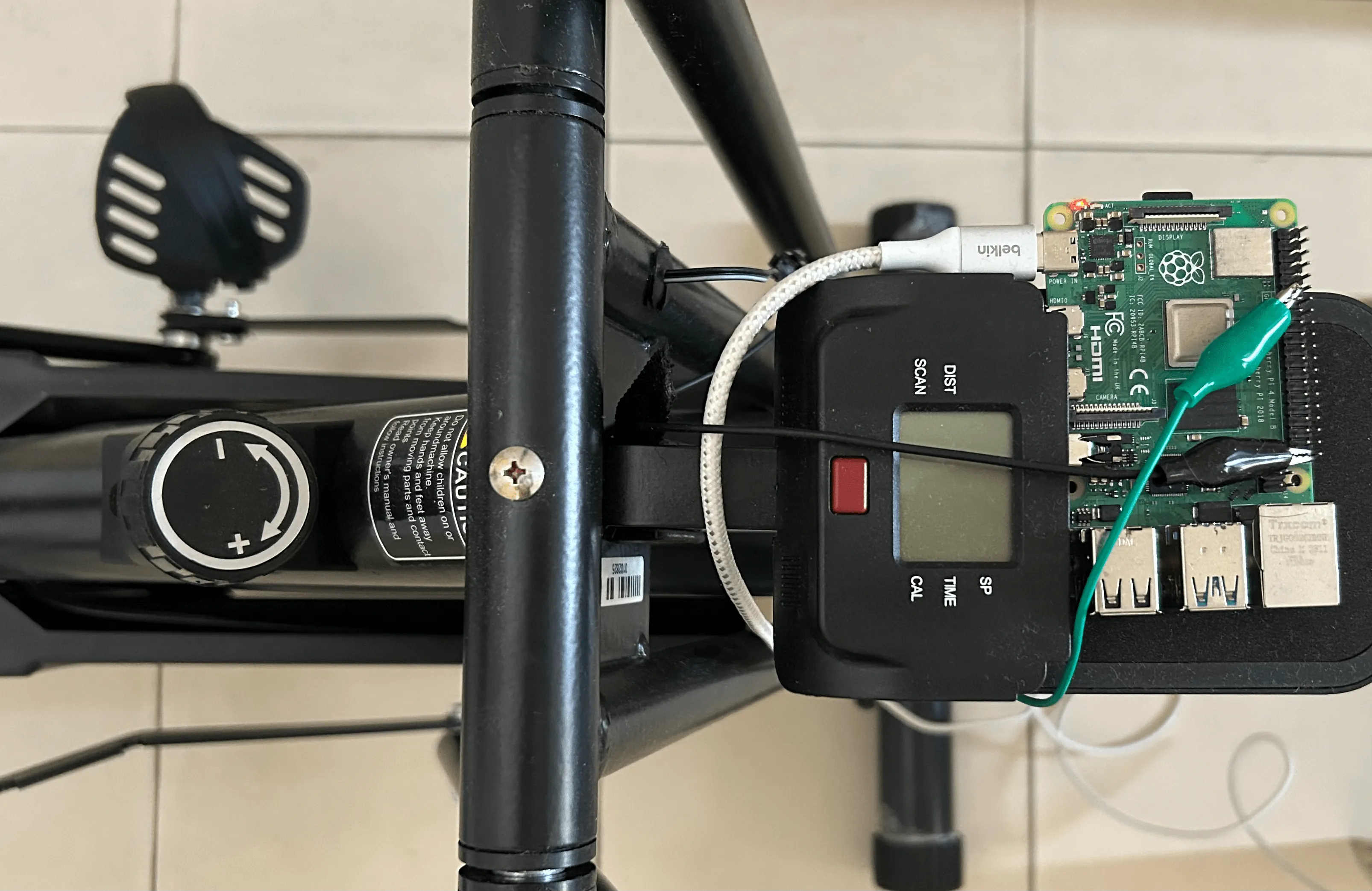
The relentless surge in RAM and silicon manufacturing costs over the past few years has systematically pushed single-board computers out of their original budget-friendly territory. To combat this, Raspberry Pi UK has officially validated a brand-new, discounted tier of Raspberry Pi 4 boards specifically designed to salvage silicon that failed peak factory binning.
Online electronics retailer Cytron is currently selling these “Special Value” boards at a steep discount, pricing the 4GB model at $87.25. The compromise for the lower price tag is clock speed. These specific units failed to meet the modern 1.8GHz frequency specification during factory testing and are officially capped to run at a maximum stable operating frequency of 1.25GHz, according to a hardware validation report published this week.
Under the hood, these discounted boards are equipped with the newer quad-core Broadcom BCM2711C0 SoC. Rather than scrapping the hardware that couldn’t hit the 1.8GHz mark, engineers certified them for 1.25GHz operation.
You get about 30% less speed, but the boards run flawlessly at that validated frequency, creating a highly capable secondary market for cost-conscious makers. An 8GB version is also available for $147, though retail inventory data shows stock is highly limited to roughly 189 units as of late June 2026.
The original Raspberry Pi 4 launched in 2019 running at 1.5GHz before production shifted to the faster 1.8GHz processor. This new 1.25GHz batch is the lowest official clock speed ever validated for a retail Pi 4 model.
How Silicon Salvaging Combats Rising Component Costs
This validation process acts as a strategic “silicon salvaging” policy. By repurposing brand-new boards that fail to hit peak frequencies into a budget-friendly tier rather than discarding them, the manufacturer is directly addressing the hardware inflation squeezing the DIY electronics community.
For projects running simple home automation scripts, DNS sinkholes like Pi-hole, or lightweight network-attached storage setups, the 1.25GHz limit rarely bottlenecks performance. Buyers effectively trade peak theoretical speed for a lower barrier to entry, keeping the single-board computer ecosystem accessible to students and hobbyists.