
Mainstream streaming platforms keep hiking their monthly subscription fees. That financial squeeze is pushing a growing wave of home-lab enthusiasts toward self-hosted platforms like Plex and Jellyfin in 2026.
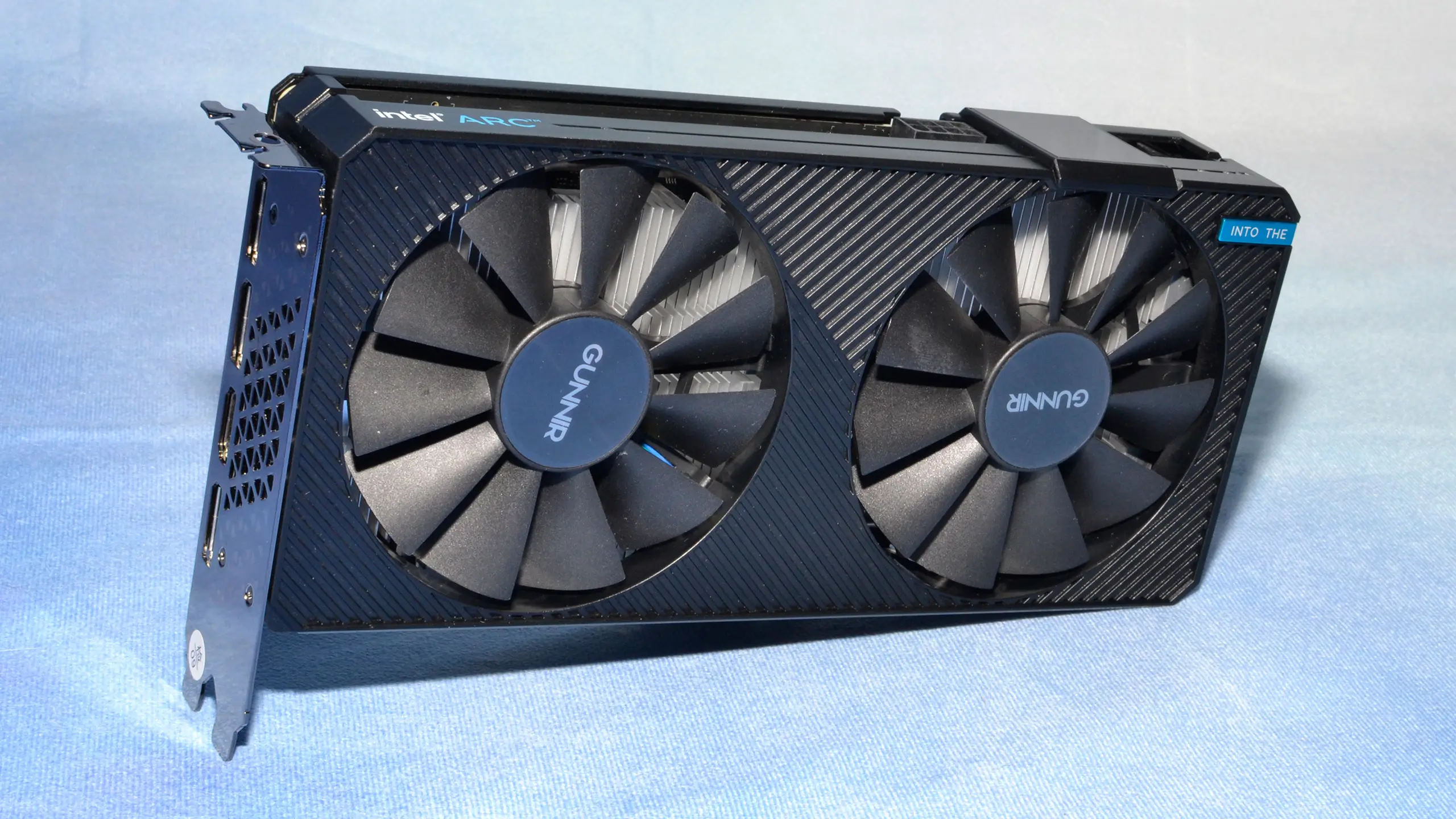
You do not need an expensive, rack-mounted server to run these applications. A standard, outdated office PC handles 4K media streaming perfectly. The trick is installing a single budget component: an Intel Arc discrete GPU, specifically the sub-$100 A380 or the lower-tier A310.
The Quick Sync Advantage
Media servers rely on transcoding to convert large video files on the fly. This prevents buffering when sending high-resolution movies to a smartphone or an older smart TV over limited bandwidth. Relying solely on an old CPU for this process crushes system performance.
Office computers are generally silent and power-efficient, making them the perfect foundational hardware for a home media hub. Dropping an Intel Arc card into the PCIe slot offloads the heavy lifting. Intel uses its Quick Sync Video technology to provide robust hardware encoding and decoding. The hardware natively supports highly efficient modern codecs like AV1 alongside standard H.264 and HEVC.
Operating system setup requires some attention depending on your software environment. Users running Linux, Unraid, or TrueNAS need to verify their underlying host system. You must be on a modern kernel, specifically version 6.2 or newer, and use the correct Xe driver configuration to utilize the Arc card’s hardware capabilities without buffering or tone-mapping errors on HDR files.
The Hardware Setup Sequence
- Secure a standard, low-power office tower computer.
- Install a low-profile Intel Arc A310 or A380 graphics card.
- Update your host operating system to kernel 6.2 or newer to enable the correct drivers.
How Intel Disrupts Nvidia’s Software Caps
Intel’s home server strategy directly targets restrictions built into competing hardware. Nvidia places strict software limits on its consumer-tier graphics cards. They intentionally restrict the number of simultaneous hardware transcodes allowed on a single home card to push power users toward enterprise hardware.
Intel Arc GPUs ignore this practice. They ship with absolutely no artificial limitations right out of the box. The Intel cards will process as many concurrent video streams as the physical silicon can handle, according to How-To Geek. AMD graphics cards also struggle in this specific niche, as they natively lack the flexible integration and out-of-the-box Plex performance found in Intel’s Quick Sync ecosystem.