
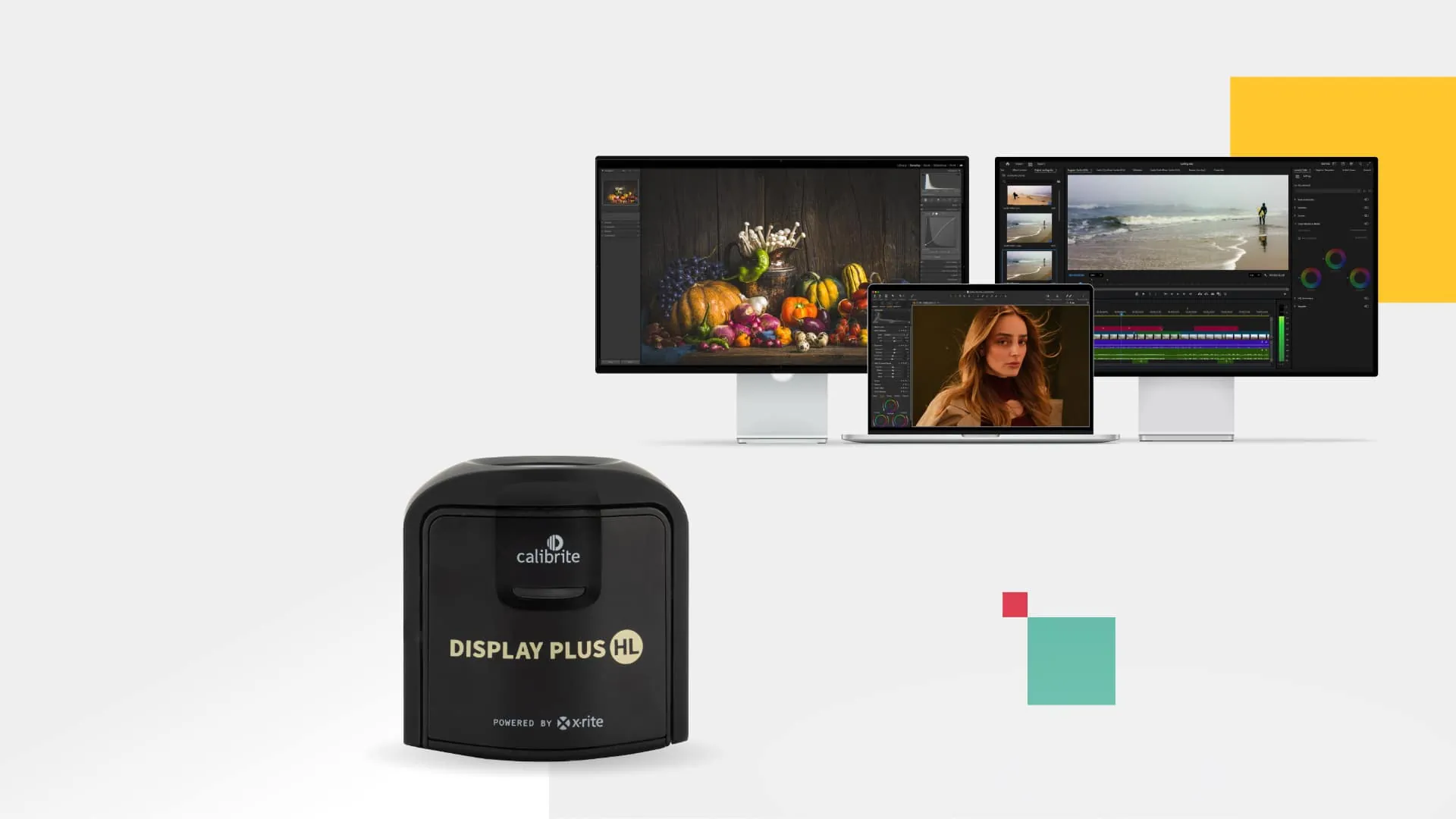
Factory television settings often ruin the viewing experience, but fixing them no longer requires hiring a professional calibrator. A recent tech breakdown outlines the step-by-step process of manually calibrating a television using a consumer-grade colorimeter. The guide specifically uses the Calibrite Display Plus HL, according to XDA Developers, resulting in a significantly more accurate picture compared to the default factory configuration.
The manual calibration process relies heavily on free, open-source software tools. Because the official Calibrite Profiler software works exclusively with PC monitors, users must run HCFR alongside ArgyllCMS instrument drivers to communicate directly with the television panel. This open-source workaround allows home theater enthusiasts to measure and adjust their screens without buying expensive commercial programs.
For Standard Dynamic Range (SDR) content, the primary goal is hitting established reference metrics. Calibrators aim for a specific color space, a D65 white point, and a gamma of 2.2 for brightly lit rooms or 2.4 for dark viewing environments. These precise targets ensure the colors on the screen accurately match the original broadcast feed.
High Dynamic Range (HDR) content presents a different set of technical constraints. Modern HDR formats often lock out deep manual adjustments entirely. Instead of shifting individual color values, HDR calibration focuses primarily on correcting the white balance and ensuring the display tracks the Electro-Optical Transfer Function accurately across different brightness levels.
Not everyone wants to spend hours learning open-source calibration software to fix their picture. Simply switching a television to its built-in Filmmaker Mode or Dolby Vision preset offers a highly accurate image immediately. These built-in modes are a practical alternative for viewers who want reference-quality color but do not want to purchase dedicated calibration hardware.
Why Rec. 709 Remains the Display Standard
The pursuit of perfect color at home directly mirrors the rigorous engineering requirements of professional film studios. The Rec. 709 color standard was first published by the ITU-R in 1993. It has operated as the foundational color gamut for high-definition video production for over 30 years, ensuring complete visual interoperability between digital cameras, editing bays, and consumer displays.
Streaming companies enforce strict adherence to these exact same calibration metrics today. Netflix outlines color-critical display requirements for its SDR and HDR grading monitors, demanding the precise Rec. 709, D65, and BT.1886 targets that home users chase. When consumers adjust their living room televisions with a colorimeter, they are actively attempting to recreate the exact environment where their digital media was originally finalized.